Introduction
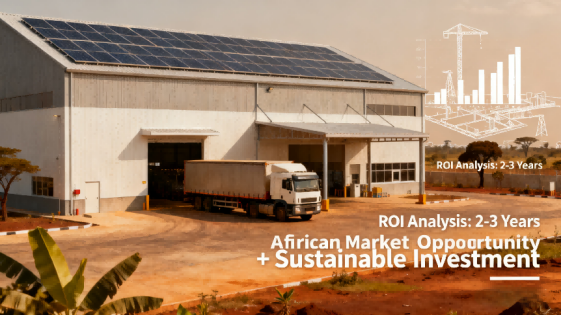
The African continent presents a tremendous opportunity for industrial growth, and the nonwoven fabric industry is perfectly positioned to meet the rising demand in sectors like hygiene, healthcare, agriculture, and construction. Establishing a nonwoven fabric factory in Africa is a strategic move, but requires careful financial planning.
This comprehensive cost analysis will guide you through the key investment areas for setting up a nonwoven production line in a region like Africa. We’ll break down the capital expenditure (CAPEX), operational expenditure (OPEX), and provide insights to help you calculate your potential Return on Investment (ROI) and build a profitable nonwoven manufacturing business.
1. Core Machinery Investment (CAPEX)
This is your most significant initial cost. The price of a nonwoven production line varies dramatically based on technology, automation, and capacity.
Type of Production Line: Your primary choice dictates the budget.
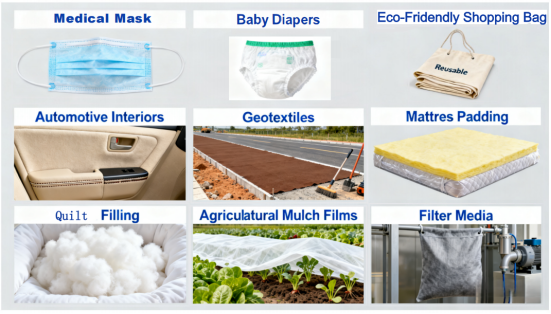
- Needle Punch Line: Often the most cost-effective entry point for producing geotextiles, carpet backing, and coir mattress materials. A small to medium-scale needle loom line is a common starting point.

- Spunbond Line: Requires a higher investment but produces fabrics for high-demand hygiene products (baby diapers, feminine care) and medical nonwovens. This is a premium, high-volume option.
- Thermal Bonding Line: Used for soft, absorbent products like wipes and hygiene cores. Costs fall between needle punch and spunbond.

Scale & Automation: A semi-automatic nonwoven machine has a lower upfront cost than a fully automated nonwoven fabric plant. However, higher automation reduces long-term labor costs and improves consistency.
New vs. Used Equipment: While used textile machinery may seem cheaper, it often comes with higher maintenance costs, downtime risks, and outdated technology. New machinery from a reliable supplier offers warranties, energy efficiency, and modern support.
Key Question: What is your target market? Your product choice (e.g., geotextiles for infrastructure vs. medical fabric for clinics) will determine the necessary nonwoven making machine type.
2. Infrastructure & Utilities
Your factory building and utilities are a critical part of the setup cost.
- Factory Shed/Space: Costs for leasing or building a suitable industrial space with high ceilings, a strong power supply, and good logistics access.
- Power Supply: Nonwoven machinery is power-intensive. Factor in the cost of a stable, high-voltage connection. Investing in generators or solar power as a backup can be a wise decision in regions with an unstable grid.
- Water & Compressed Air: Essential for certain processes (e.g., cooling, air-laid systems).
- Installation & Commissioning: Budget for the travel, accommodation, and services of technical experts to install and commission the nonwoven production line. This ensures your line starts up correctly.
3. Raw Material & Consumables (OPEX)
Your ongoing cost of goods sold is driven by raw materials.
- Polymer Chips: Polypropylene (PP) and Polyester (PET) are the most common for Spunbond and Meltblown nonwovens.
- Staple Fibers: Used in Needle Punch and Thermal Bonding processes. Availability and import duties on these raw materials significantly impact your OPEX.
- Binder Materials: For chemical or thermal bonding processes.
- Consumables: Needles for your needle punching machine, lubricants, and packaging materials.
- Pro Tip: Sourcing raw materials locally, when possible, can drastically reduce costs and lead times.
4. Labor & Operational Costs
- Labor Costs: Africa often offers a competitive labor cost advantage. You will need:
- Skilled Technicians & Mechanics (for machine operation and maintenance)
- Production Line Operators
- Quality Control Staff
- Administrative and Sales Personnel
- Training: Initial and ongoing training for your staff is crucial for efficiency and minimizing waste. A good nonwoven machinery manufacturer will provide comprehensive training.
- Maintenance & Spare Parts: Allocate a yearly budget for preventive maintenance and critical spare parts to avoid costly unplanned downtime.
5. Calculating Your Return on Investment (ROI)
A positive ROI makes the venture worthwhile. Here’s a simplified outlook:
Revenue Drivers:
Selling Price of Nonwoven Fabric: Determined by type, quality, and local market demand.
Production Volume: The capacity utilization of your nonwoven production line.
Profitability Factors:
High Local Demand: Reducing logistics costs for imported finished goods gives your local factory a competitive edge.
Government Incentives: Many African countries offer tax holidays or incentives for manufacturing investments.
Export Potential: Your factory can serve neighboring countries, expanding your market.
Example Scenario: A needle punch line producing geotextiles for road construction can see a strong ROI due to massive government infrastructure projects across the continent.
Conclusion: Your Partner in Setting Up in Africa
Establishing a nonwoven fabric factory in Africa is a promising and viable project. A clear understanding of the costs involved—from the nonwoven production line cost to raw materials and labor—is essential for building a solid business plan.
The choice of your textile machinery supplier is your most critical decision. You need a partner who provides not just a machine, but a turnkey solution—reliable equipment, expert installation, operator training, and lifelong technical support.
As a leading manufacturer of nonwoven production lines with experience supporting clients in developing markets, we are committed to being your partner in success. Contact us for a free, personalized feasibility study and quotation tailored to your specific goals in the African market.