Introduction: The Central Role of Your Carding Machine
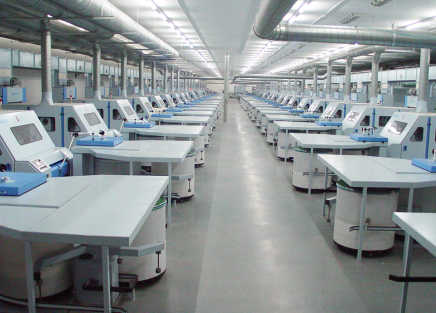
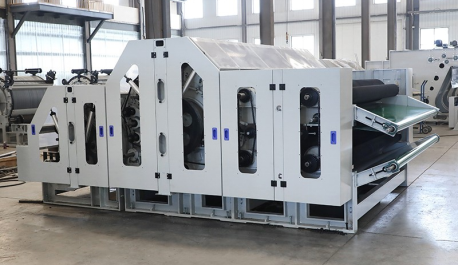
In any nonwoven fabric production line or spinning mill, the carding machine plays a pivotal role. It is the essential gateway where loose fibers are transformed into a uniform, coherent web. Its performance directly dictates the quality, consistency, and yield of your final product. This is true whether you produce medical cotton rolls, wool felt, or high-quality yarn.
Recognizing early signs that your carding machine needs maintenance is crucial. It prevents minor issues from escalating into major failures. Ultimately, this vigilance helps you avoid costly production downtime.
Proactive attention not only sustains output but also extends the lifespan of this high-value asset.
Sign 1: Irregular Web Formation and Poor Fiber Alignment
The most immediate visual indicator of acarding machine maintenanceissue is the quality of the web or sliver it produces.
- The Problem:You observe an uneven web with visible thick and thin patches (known as “cloudiness”), poor fiber parallelization, or excessive nep formation. The web may lack integrity and break easily.
- The Underlying Cause:This typically points to worn or damaged carding clothing—the thousands of fine wires on the main cylinder, flats (if present), doffer, and licker-in. Dull, bent, or missing wires cannot properly individualize and align fibers. Incorrect settings of critical carding machine parameters, such as the cylinder-to-doffer or cylinder-to-flat settings, can also be a culprit.
- How to Avoid Downtime:Implement a scheduled inspection and grinding program for the card clothing. Regularly check and calibrate all critical settings according to the fiber being processed. Keeping a log of settings for different materials can streamline changeovers and maintain consistency, forming a core part of preventative carding machine maintenance.
Sign 2: Increased Waste Levels and Rising Fiber Loss
A sudden or gradual increase in waste—whether in the form of fly, droppings under the machine, or excessive recycled fiber—signals inefficiency.
- The Problem:You notice more fiber being extracted as waste by the card’s filters and mote knives, or an accumulation of reusable fiber in the recycling system that should have been incorporated into the web.
- The Underlying Cause:This often stems from overly aggressive or misadjusted mote knive sand airflow settings. The goal of the carding machine is to remove only true impurities (short fibers, seed coat fragments, dust), not good spinnable fiber. Improper suction can pull good fibers away. Additionally, worn clothing may not effectively transfer fibers to the doffer, causing them to remain on the cylinder and be stripped off as waste.
- How to Avoid Downtime:Periodically review and optimize waste extraction settings for different fiber batches. Ensure the machine’s internal air circulation system is clean and unobstructed. Monitoring waste composition (good fiber vs. trash) is a simple yet effective diagnostic tool for carding machine maintenance.
Sign 3: Unusual Noises, Vibrations, or Temperature Rise
Your senses are powerful diagnostic tools. Abnormal operational signatures should never be ignored.
- The Problem:You hear new grinding, knocking, or high-pitched whining sounds. The machine frame exhibits unusual vibrations, or bearings and motors feel excessively hot to the touch.
- The Underlying Cause:These are classic mechanical distress signals. They can indicate failingbearingson the main cylinder, doffer, or licker-in shafts; misaligned or damaged gears; a loose or unbalanced cylinder; or issues with drive belts and motors.
- How to Avoid Downtime:Conduct routine “walk-around” inspections where operators listen and feel for abnormalities. Use a stethoscope to pinpoint noisy bearings. Implement a schedule for checking bearing temperatures and lubricating them with the correct grease. This proactive mechanical carding machine maintenance is the best defense against catastrophic breakdowns.
Conclusion: From Problem Recognition to Profitable Upgrade
Recognizing these warning signs in your carding machine is the first step. The critical second step is choosing the most cost-effective solution. While diligent maintenance can extend a machine’s life, repeated breakdowns, declining quality, and rising repair costs are clear indicators that continued investment in an aging asset is diminishing your returns.
When maintenance becomes a constant battle, upgrading to a modern, high-efficiency carding machine is not merely an expense—it is a strategic investment in your factory’s future productivity and product quality. Our next-generation carding units are engineered to provide unparalleled fiber alignment, superior web uniformity, and exceptional durability, directly addressing the root causes of the issues outlined above. They are designed for easier maintenance, reduced energy consumption, and seamless integration into your existing nonwoven production line or spinning process.
Don’t let persistent carding problems limit your potential. Let us provide you with a detailed proposal for a reliable, high-performance solution. [Contact us today to discuss upgrading your carding machine and transforming a maintenance challenge into a competitive advantage.]