Introduction:The Critical Role of Specialized Manufacturing
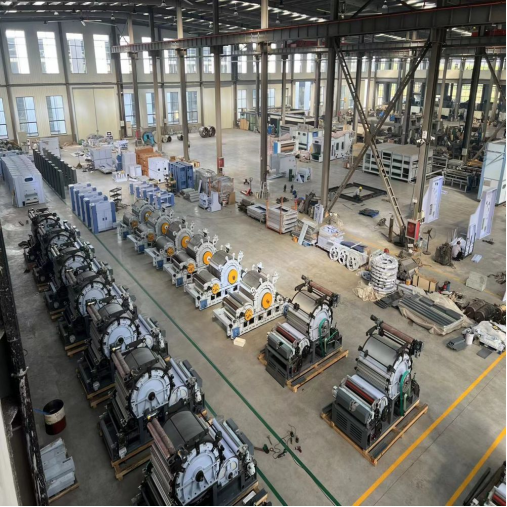
In the world of medical textiles, few products demand the level of consistency and purity required for wound care applications. The journey from raw cotton bale to sterile medical cotton roll hinges on one essential system: a properly configured medical cotton roll production line. This integrated manufacturing process combines specialized machinery at each stage to ensure the final product meets stringent medical standards for absorbency, purity, and structural integrity. Unlike conventional textile production, manufacturing medical-grade cotton requires precision engineering at every phase, from initial fiber preparation to final packaging.
Stage 1: Raw Material Preparation & Blending
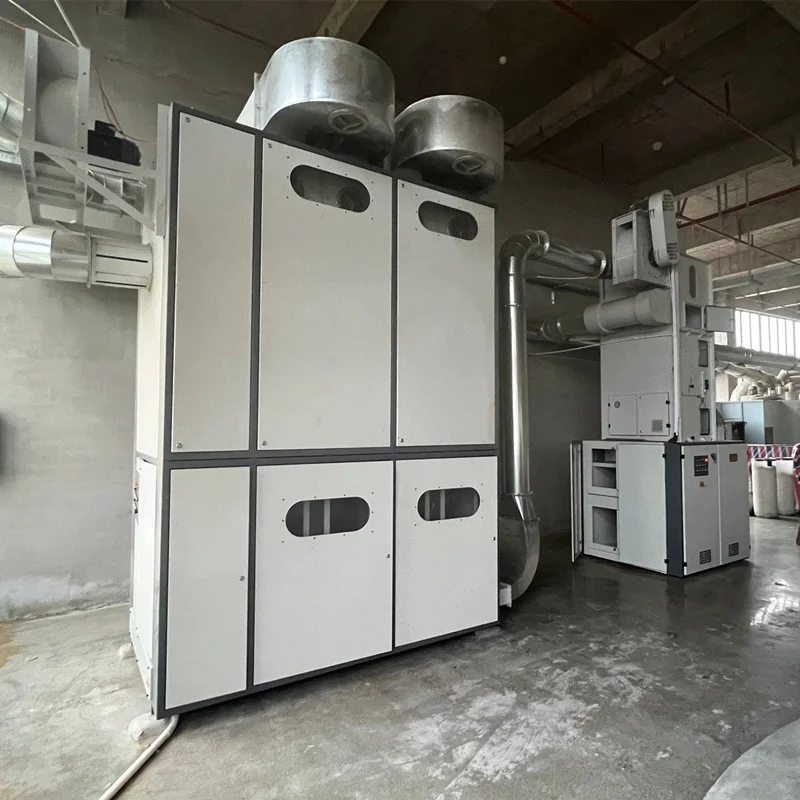
The foundation of quality medical cotton begins with consistent raw material processing. Around automatic plucker serves as the entry point, efficiently handling various cotton grades and synthetic fibers up to 76mm in length. This machine’s design—featuring a central axis, expansion tube, and ground rail system—enables selective plucking that preserves fiber integrity while removing larger contaminants. For operations requiring enhanced blending, dual plucker configurations can be implemented to increase mixing efficiency and reduce batch variations.
Following plucking, the mixing machine performs critical homogenization. Positioned directly after the plucker unit, this stage utilizes condenser-assisted transport to open fiber tufts, remove residual impurities and dust particles, and create a uniform blend. The mixing process is particularly vital when processing high-maturity cotton with varying staple lengths, as it ensures consistent fiber characteristics throughout the production batch. Proper blending at this stage directly influences the absorbency and softness of the final medical cotton product.

Stage 2: Fiber Refinement & Web Formation
Once blended fibers achieve uniformity, they proceed to the heart of the production process: the cotton carding machine. This precision-engineered component transforms loose fibers into a continuous, lightweight web with controlled thickness and density. Operating at approximately 30kg/hour for medical cotton production, modern carding machines feature inverter-controlled output systems that allow precise adjustment of web grammage. Multiple carding units can be synchronized to scale production while maintaining quality consistency—a crucial factor for medical manufacturers requiring high-volume output.
The carded web then advances to the cross lapper, which systematically folds and layers the material to build specific width and thickness parameters. With an input width of 1700mm and output expanding to 2600mm, this machine employs independently driven aprons and frequency-controlled reciprocal motion to create perfectly even laminations. The cross-lapping process ensures uniform density across the entire cotton roll, eliminating weak points or thickness variations that could compromise medical performance. The leaktight rail system maintains hygiene standards throughout this critical layering phase.


Stage 3: Finishing & Packaging
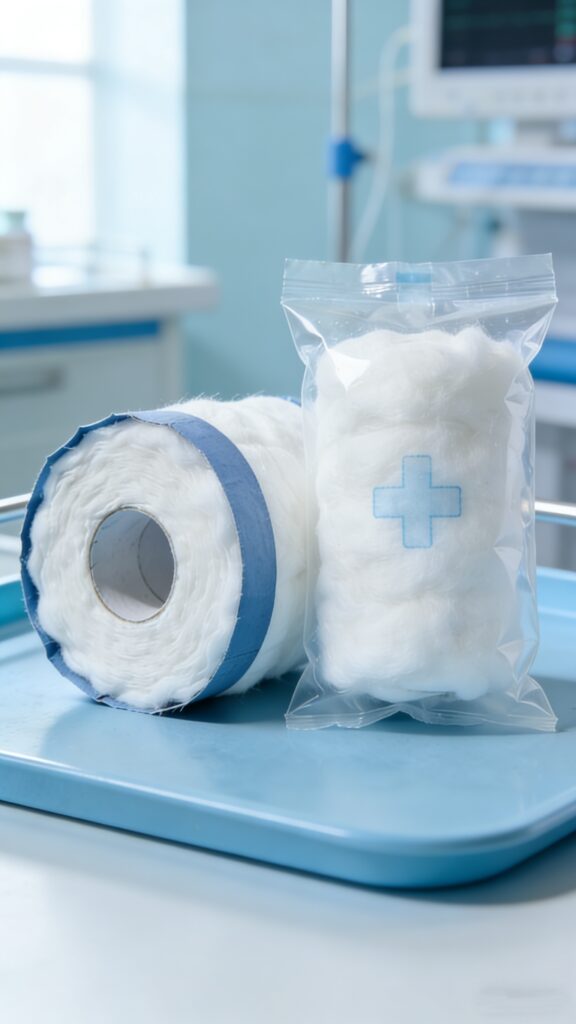
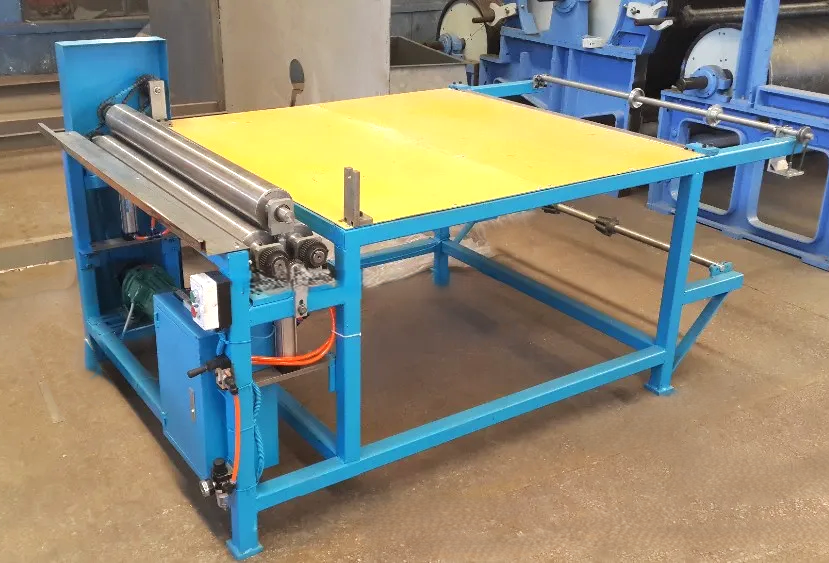
The final phase transforms layered cotton webs into finished medical products. A pneumatic rolling machine gently winds the material under controlled tension, creating consistently dense rolls without damaging delicate fiber structures. This automated winding process maintains the integrity of the layered web while achieving precise roll dimensions required for medical packaging and sterilization.
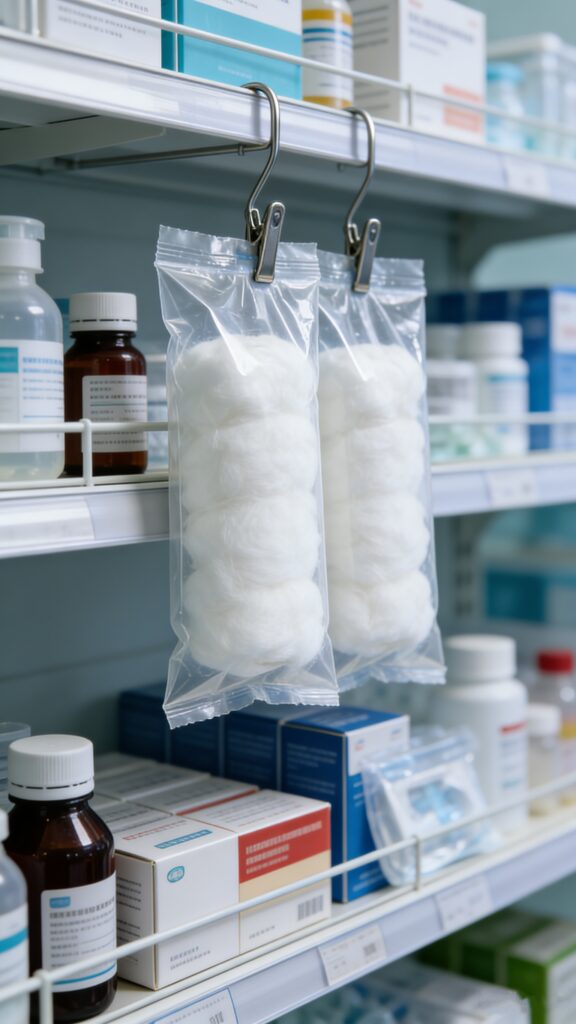
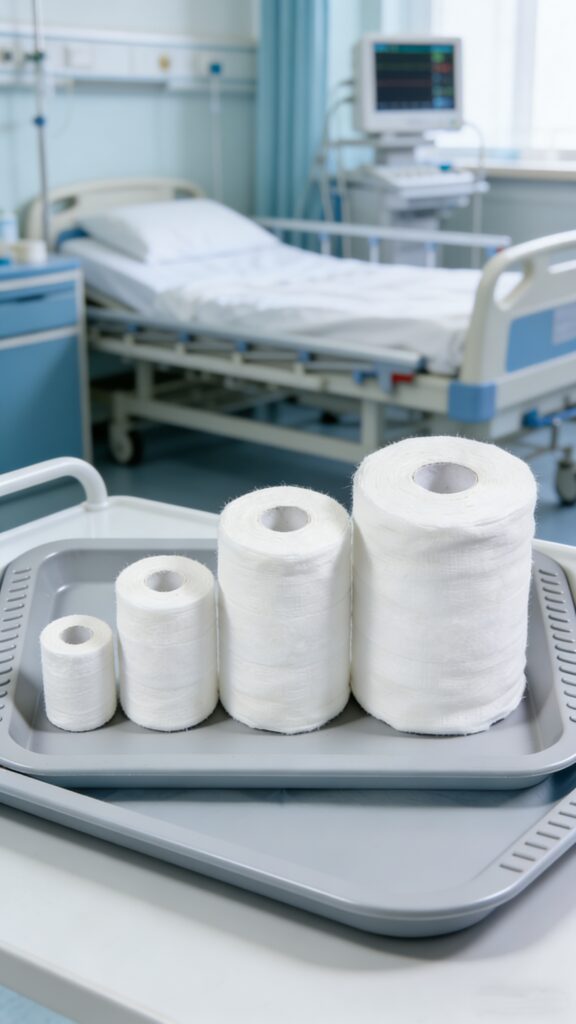
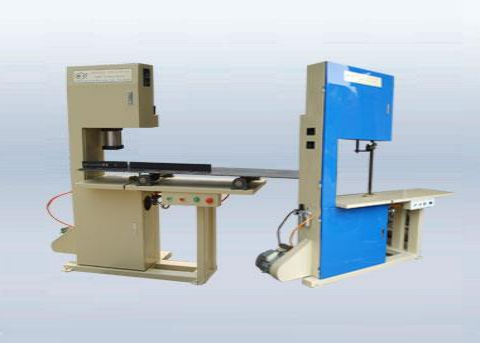
Following rolling, a precision cutting machine sections continuous rolls into specific lengths for various medical applications. Modern cutting systems utilize programmable logic to accommodate different product specifications—from small wound dressing rolls to larger surgical cotton formats. This final processing stage ensures each medical cotton roll meets exact dimensional requirements before proceeding to sterilization and packaging in clean-room environments.
Conclusion: Tailored Solutions for Your Medical Cotton Production Needs
The path to establishing or optimizing a successful medical cotton roll production line requires more than selecting individual machines—it demands a holistic, customized approach. Every manufacturing facility faces unique challenges regarding raw material characteristics, target output volumes, and specific end-product specifications. We specialize in engineering complete production line solutions that are precisely configured to meet these distinct requirements. From the round automatic plucker to the final cutting machine, our expertise ensures seamless integration and optimal performance for your specific operational goals. Contact us to discuss how we can design a tailored production line solution that aligns perfectly with your medical cotton manufacturing objectives.