
Introduction: Building a Foundation with Nonwoven Geotextiles
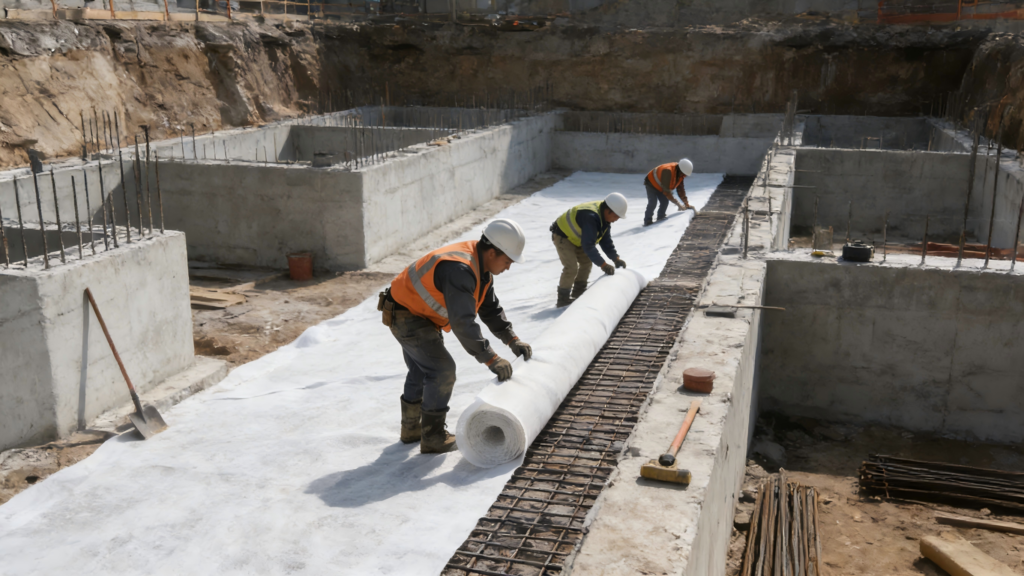
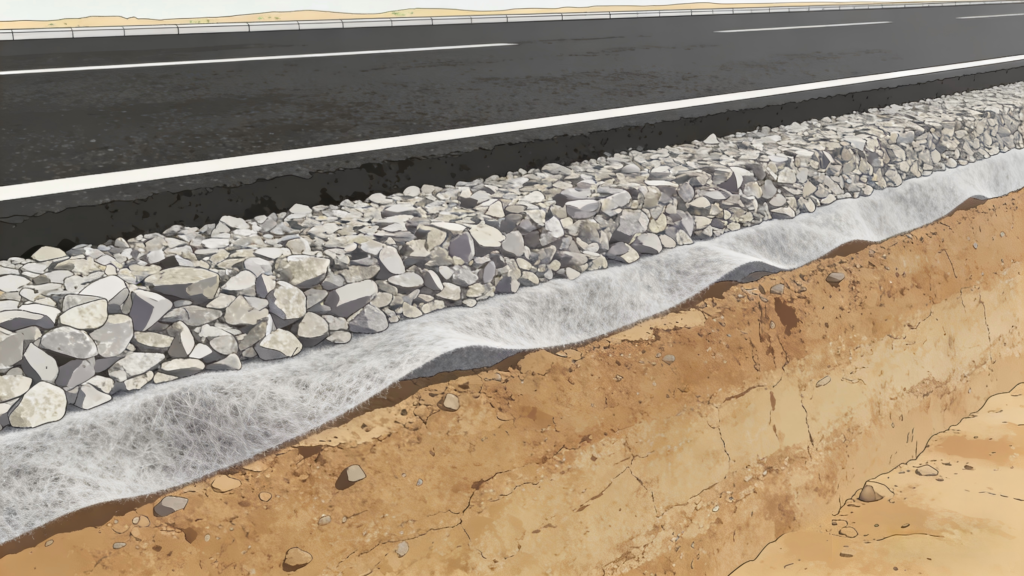
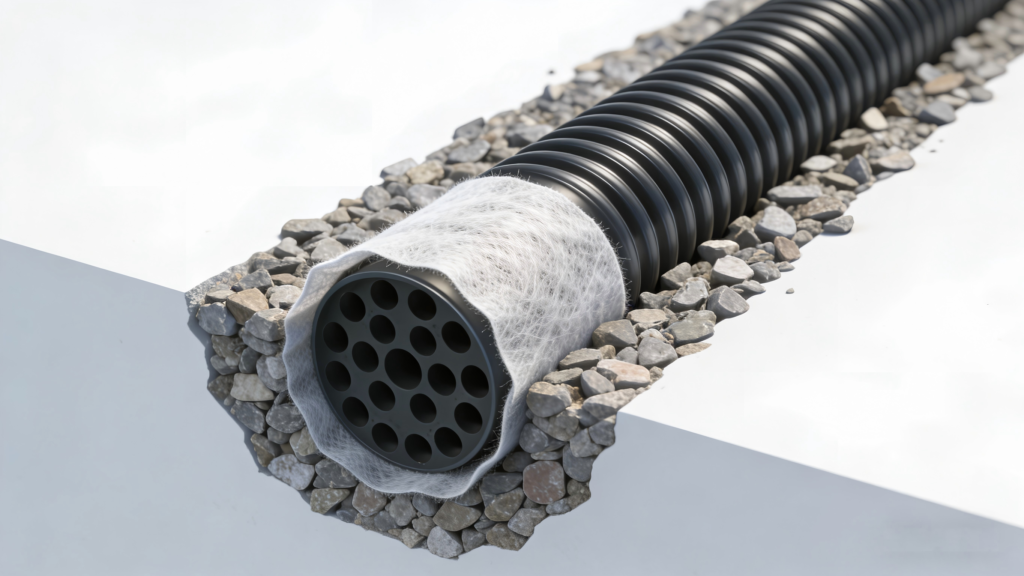
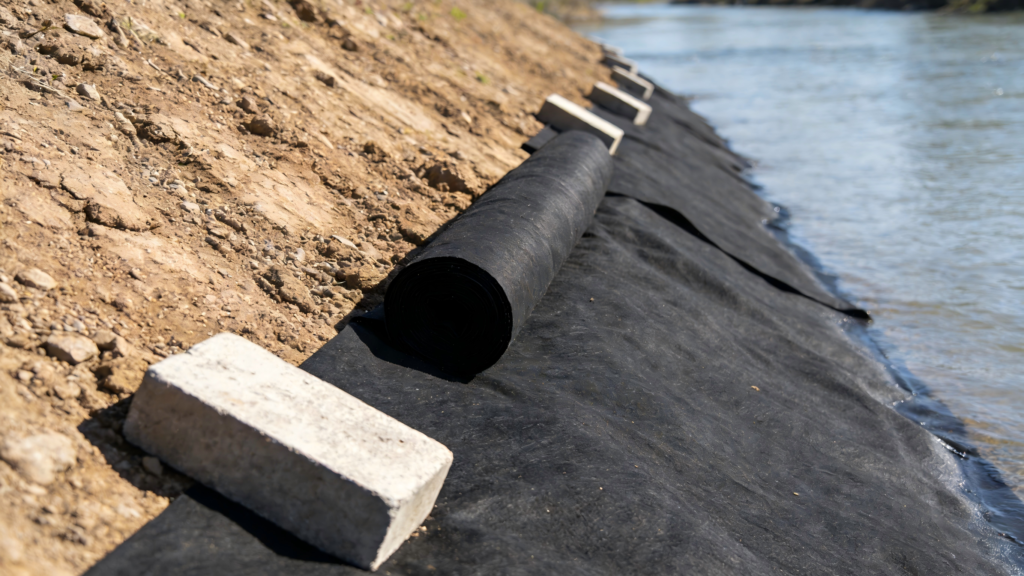
Nonwoven geotextiles are essential materials in modern civil engineering and construction. They provide separation, filtration, drainage, and reinforcement in projects like roads, landfills, and erosion control. Consequently, establishing a manufacturing line for these versatile products represents a significant opportunity. However, understanding the required machinery is the crucial first step. This guide will walk you through each essential component of a complete geotextile production line. We will explain the function of every machine, ensuring you grasp how they work together to transform raw fibers into durable, high-performance geotextile rolls.
Stage 1: Raw Material Preparation and Blending
The production process begins with preparing the raw materials, typically polypropylene or polyester fibers, including recycled options. Consistent quality at this stage is vital for the final product’s strength.
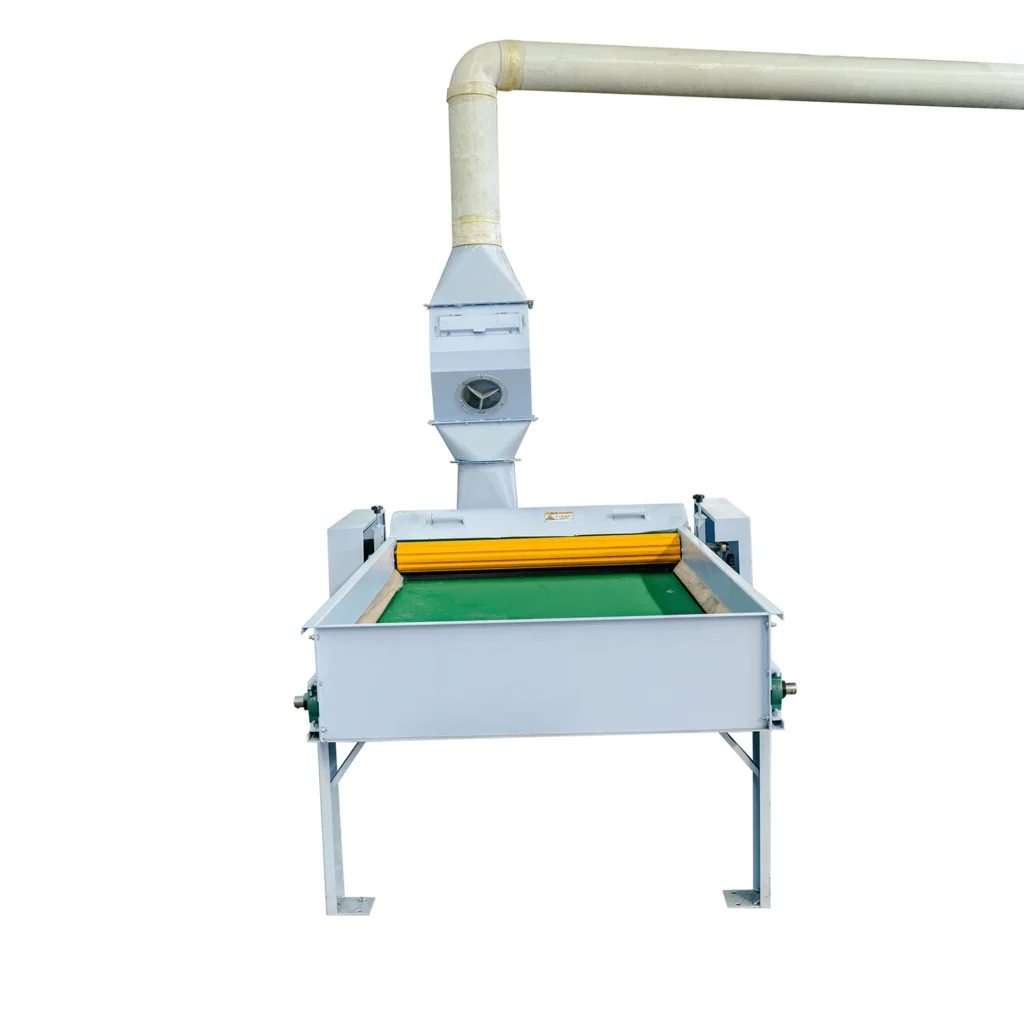
Primary Opener and Blender: First, bales of compressed fiber are fed into a primary opener. This machine effectively loosens the material. Next, fibers often move to a multi-chamber blender. Here, different fiber batches or types are thoroughly mixed to ensure absolute uniformity in the final fabric.
Secondary Fine-Opening: Following blending, a fine-opener or carding feeder performs a second, gentler opening. This step creates a perfectly even and fluffy fiber mass, ready for the next critical stage. Proper preparation here directly prevents defects in the finished geotextile.

Stage 2: Web Formation: Creating the Fiber Foundation
In this phase, loose fibers are organized into a continuous, uniform web. This web forms the basic structure of the geotextile.
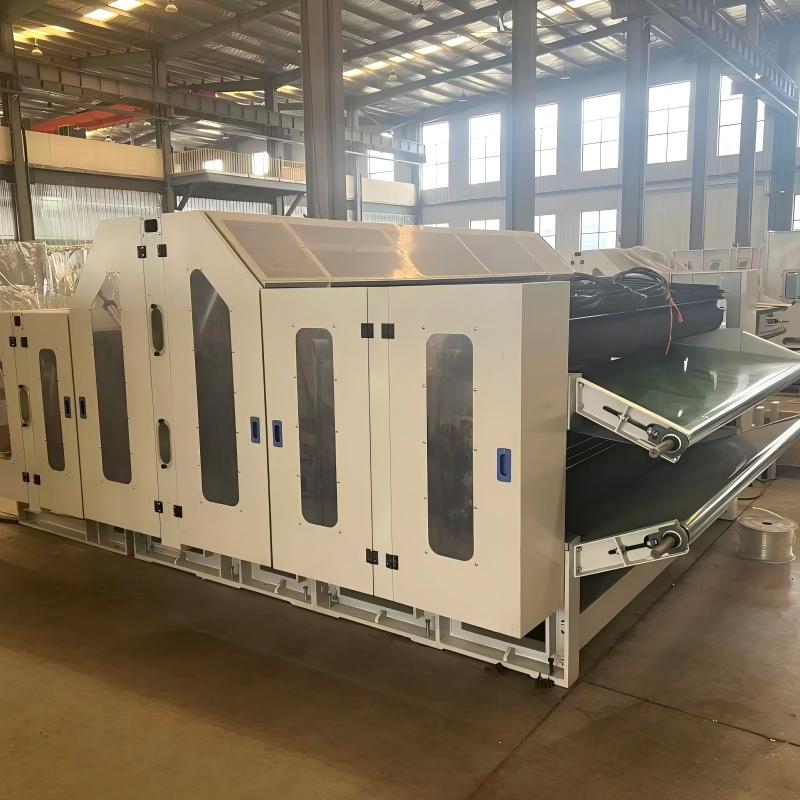
- The Carding Machine:The prepared fiber is fed into the heart of web formation: the carding machine. This equipment uses a series of rotating drums covered in fine wire clothing. As a result, it individualizes fibers, aligns them, and removes any remaining fine impurities. Ultimately, it outputs a delicate, uniform fiber web.
- The Cross Lapper:The thin web from the carding machine then enters across lapper. This machine folds the web back and forth onto a conveyor belt. Therefore, it builds up the required weight and width. More importantly, cross-lapping creates a strong, multi-layered web with excellent dimensional stability, which is crucial for geotextile function.

Stage 3: Mechanical Bonding: The Needle Punching Process
This is the core stage where the fluffy web gains its mechanical strength and becomes a coherent fabric.
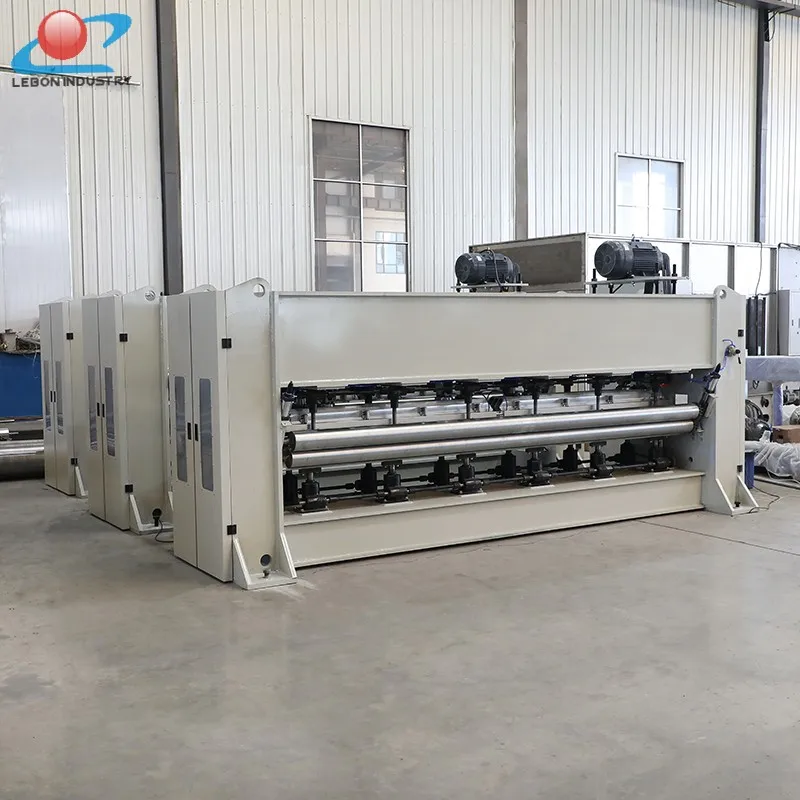
- The Needle Punching Machine:The layered web is fed into aneedle loomorneedle punching machine. Thousands of barbed needles punch up and down through the web at high speed. Consequently, they entangle the fibers vertically, locking them together firmly. The density and strength of the geotextile are controlled by adjusting needle penetration depth, punch density, and machine speed. For heavy-duty geotextiles, amain punchfollowed by afinishing punchis often used for optimal consolidation.
Stage 4: Finishing and Quality Control
After bonding, the fabric is finished to meet precise specifications.
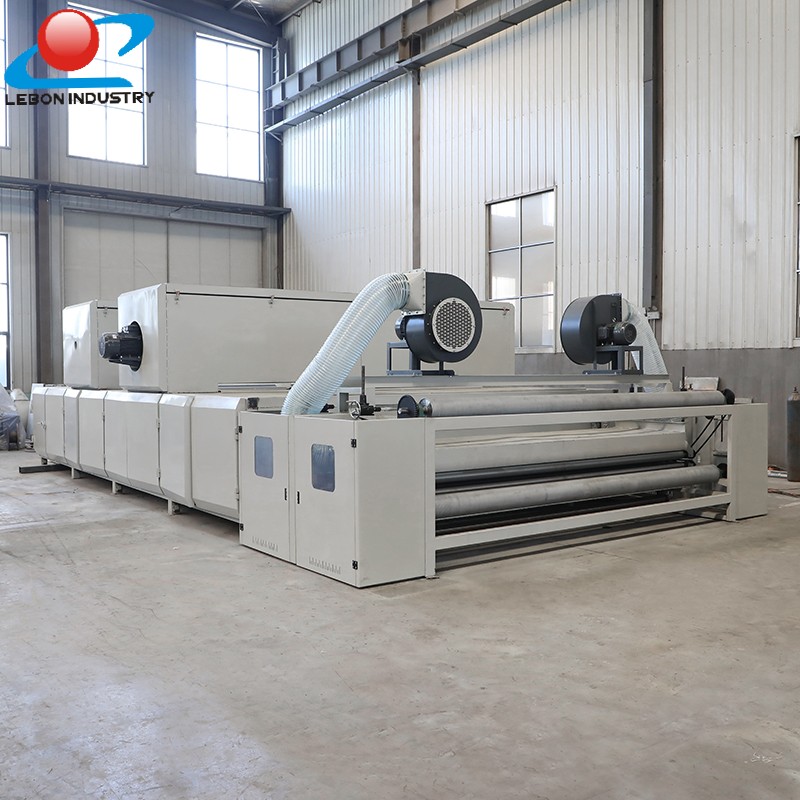
- Heat Setting (Optional):For some applications, the needle-punched fabric passes through a heat-setting oven. This process thermally stabilizes the fabric, reducing shrinkage and enhancing dimensional stability.
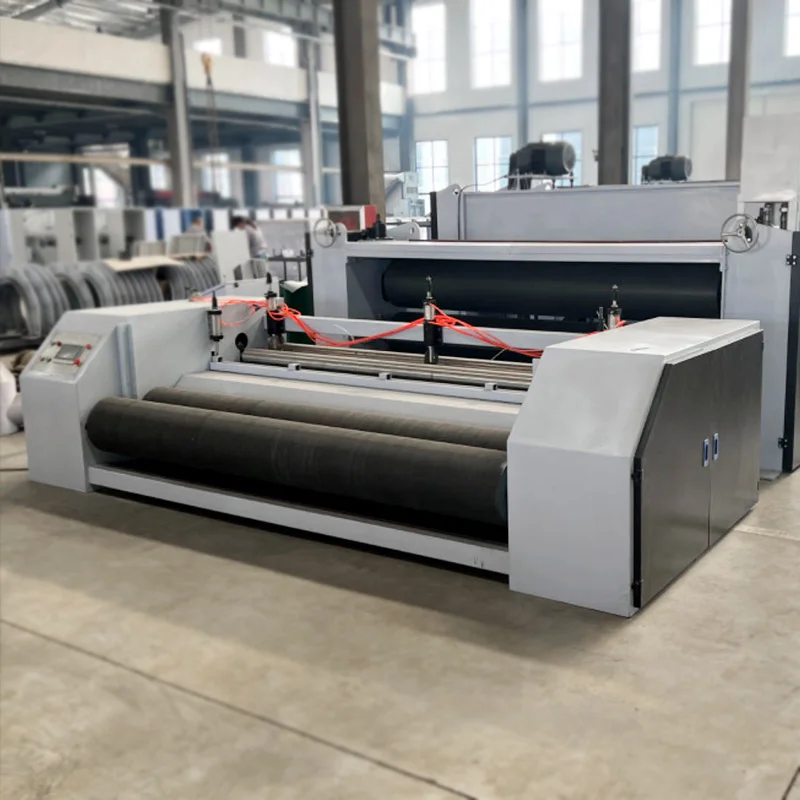
- Winding and Cutting: Finally, the finished geotextile fabric is wound into large, tight rolls by a high-capacity winder. An integrated cutting machine can trim edges to exact widths and cut rolls to the required length. Modern lines often include online inspection systems to monitor fabric weight and thickness continuously.
Conclusion: Your Partner in Geotextile Production
In summary, a complete nonwoven geotextile production line is a synchronized system. Each machine, from blending to winding, plays a critical role in determining the final product’s quality and performance. Success depends not only on reliable individual machines but also on their seamless integration and process know-how.
We specialize in providing complete, customized solutions for the geotextile manufacturing industry. Our expertise covers the entire line, ensuring optimal machine matching and process flow for your specific product goals and raw materials.
Ready to build your geotextile manufacturing capability? Contact us for a detailed equipment proposal and expert technical consultation tailored to your project.
