Introduction: The Hidden Cost of Aging Equipment
Running a needle punch production lineis a capital-intensive business. While older machines may still operate, they often suffer from hidden inefficiencies that silently erode your profit margin. Consequently, holding onto outdated equipment can be more expensive than investing in a modern upgrade. If you notice any of the following five signs, your old needle loom is likely costing you money. Therefore, recognizing these issues is the first step toward restoring your competitive edge and profitability.
Sign 1: Sky-High and Rising Energy Bills
Older drives, motors, and mechanical systems are notoriously inefficient. They consume excessive power to deliver the same output. For example, a decade-old main drive motor can use 15-20% more electricity than a modern, inverter-controlled equivalent. This directly increases your operational cost sper ton of fabric. Upgrading to an energy-optimized needle punching machine with efficient drives and regenerative systems can slash your power consumption, offering a fast return on investment.
Sign 2: Inconsistent Fabric Quality and High Reject Rates
Do you struggle with variations in fabric weight, thickness, or strength? Inconsistent quality is a major red flag. Often, it stems from worn mechanical components—like an unbalanced main shaft, worn eccentric gearbox, or imprecise web feeding systems in an old nonwoven machine. These issues lead to uneven punch density and poor fiber entanglement. As a result, you face higher waste, customer rejections, and damage to your brand reputation. Modern lines offer digital control and superior mechanical stability for flawless consistency.
Sign 3: Frequent Breakdowns and Impossible-to-Find Spare Parts
Is unplanned downtime becoming routine? Frequent failures of bearings, gears, or drive belts signal systemic wear. Furthermore, for machines over 10-15 years old, finding originalspare partsis a major challenge. Sourcing inferior substitutes or manufacturing custom parts leads to longer stoppages and higher repair costs. This cycle turns your production line into a unreliable asset. In contrast, a new machine comes with guaranteed parts availability and superior reliability, maximizing your uptime.
Sign 4: Production Bottlenecks and Inability to Meet Demand
Market demands evolve. If your old needle loom cannot achieve the speed, width, or versatility required for new orders, it caps your growth. Perhaps it’s too slow, cannot handle modern high-performance fibers, or lacks the working width for new applications. This capacity limitation means you are turning away business. Upgrading unlocks higher line speed, broader product capabilities, and the agility to seize new market opportunities.
Sign 5: Reliance on “Tribal Knowledge” and Lack of Data
Does your production depend on one veteran operator who “knows the machine’s quirks”? Is process setting a matter of manual guesswork without data? Older machines lack the sensors and digital interfaces for process monitoring and control. This makes optimization impossible, troubleshooting difficult, and quality traceability a manual headache. A modern needle punch line provides real-time data on OEE (Overall Equipment Effectiveness), power use, and production metrics, empowering data-driven decisions.
Conclusion: From Cost Center to Competitive Advantage
In summary, these five signs—high energy use, poor quality, constant repairs, low output, and no data—are clear indicators that your current equipment is a financial drain. Upgrading is not merely an expense; it is a strategic investment. A new, high-efficiency needle punch production line reduces your cost per meter, improves product quality, and provides the reliability and data needed to grow your business confidently.
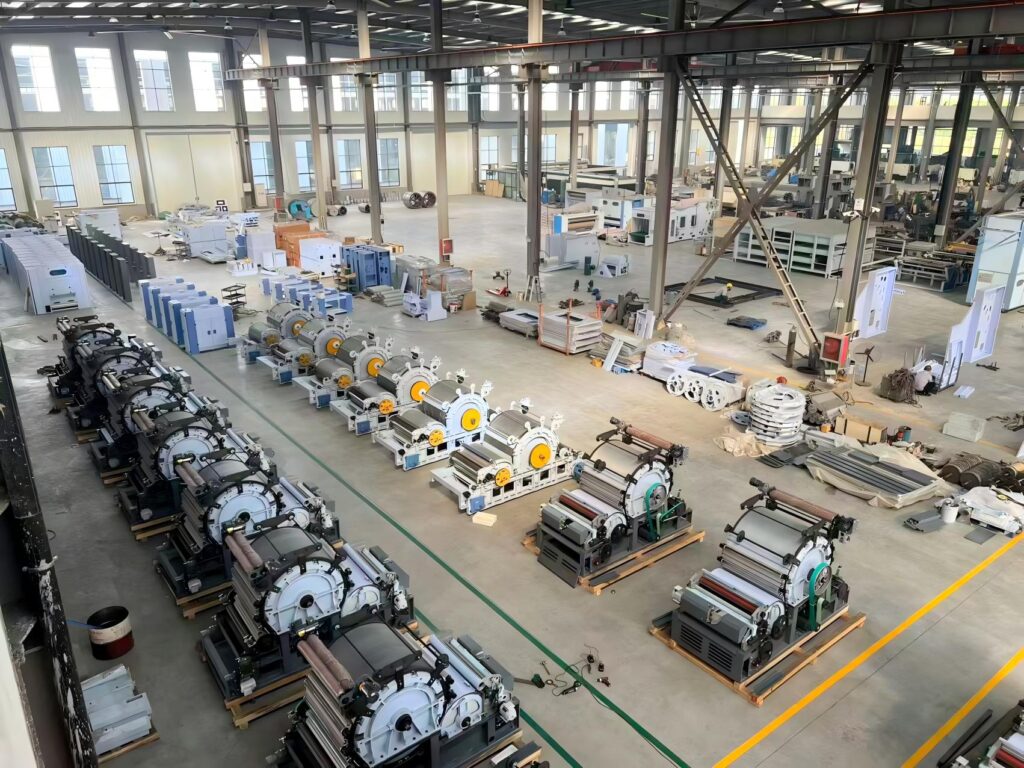
We specialize in modern nonwoven machinery that delivers a rapid return through superior performance and lower operating costs. Let us help you calculate your potential savings and design the right upgrade path.
Ready to stop losing money and start growing? Contact us today for a free, no-obligation audit of your current line and a proposal for a profitable upgrade.