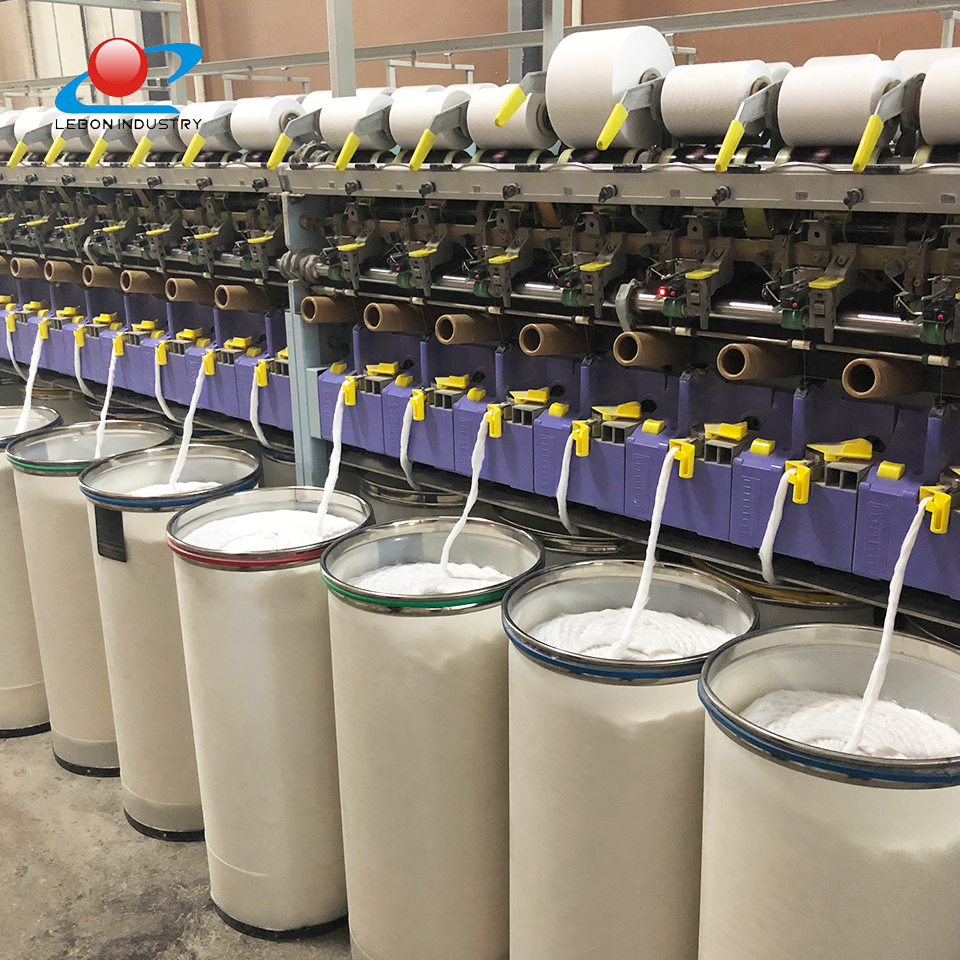
Spinning constitutes the foundational stage of the textile industry and represents the critical first step in the journey “from fiber to fabric.” It involves processing raw materials—such as cotton, polyester, and wool—into uniform, durable yarns, which are subsequently utilized in downstream processes like weaving and knitting. The spinning production line serves as the core machinery that enables this transformation; its performance directly dictates the quality of the yarn, thereby influencing the texture and durability of the resulting fabrics. Consequently, it stands as one of the indispensable core production lines for any textile enterprise.
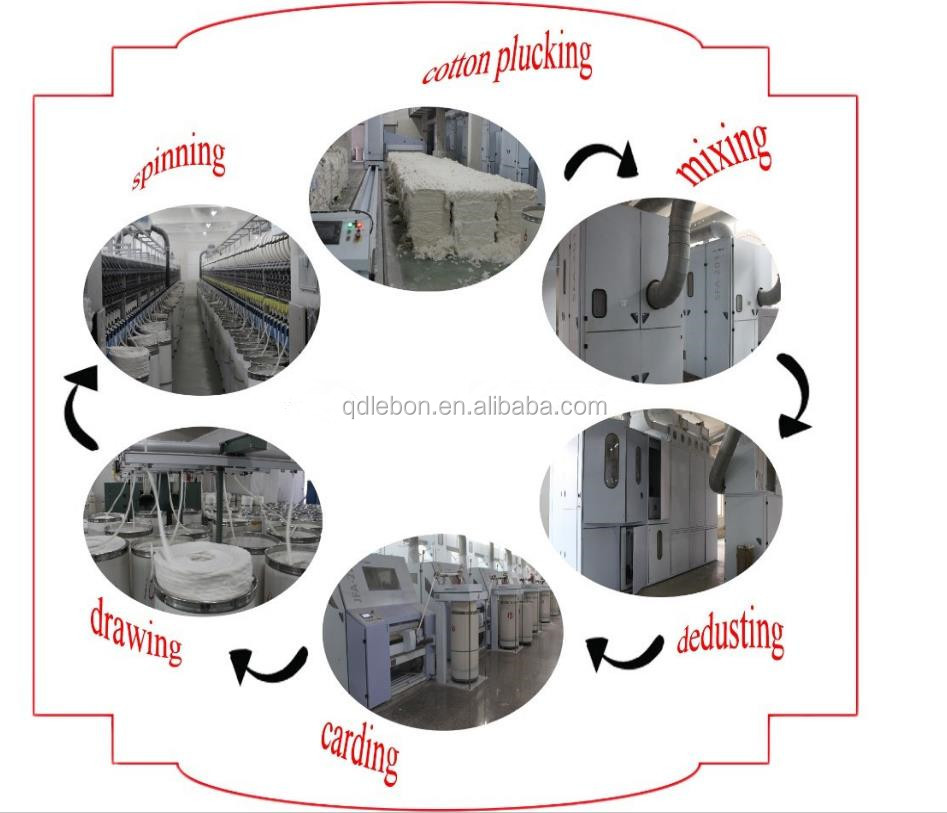
While the core workflow of spinning may appear simple, it actually encompasses a series of intricate, precision-driven processes. Traditional spinning typically involves a sequence of stages: “blow-room processing → carding → drawing → roving → ring spinning → winding.” Each of these stages is subject to rigorous parameter controls. Modern, intelligent spinning production lines integrate these discrete stages into a unified system, enabling “one-touch” production from raw material to finished yarn. This integration significantly boosts both production efficiency and yarn quality. Furthermore, these lines are adaptable to various spinning methods—including ring spinning, open-end spinning, and air-jet spinning—thereby meeting the diverse production requirements for a wide array of yarn products. Although the specific workflows may vary slightly depending on the spinning method employed, the core operations invariably revolve around three pivotal steps: “fiber carding,” “drafting and twisting,” and “winding and forming.”
Our spinning production lines are designed to accommodate a wide variety of raw materials—including cotton, polyester, and various blends—delivering an integrated solution characterized by intelligence, high efficiency, and superior quality. Tailored to meet specific client requirements, our lines can produce yarns of varying counts and thicknesses, making them compatible with a diverse range of downstream processes such as weaving, knitting, and thread manufacturing. Our solutions span multiple sectors—including home textiles, apparel, and industrial fabrics—while simultaneously supporting both carded and combed processing techniques to satisfy the production demands for yarns of differing quality grades.
Analysis of the Equipment’s Core Advantages:
1. High Degree of Intelligence: Equipped with a fully automated electronic control system, the machine allows for real-time monitoring of production parameters at every stage of the process. Parameters—such as drafting, twisting, and winding—can be adjusted with precision. Furthermore, it features fault pre-warning and automatic shutdown functions, thereby minimizing manual intervention, reducing labor costs, and enhancing production stability.
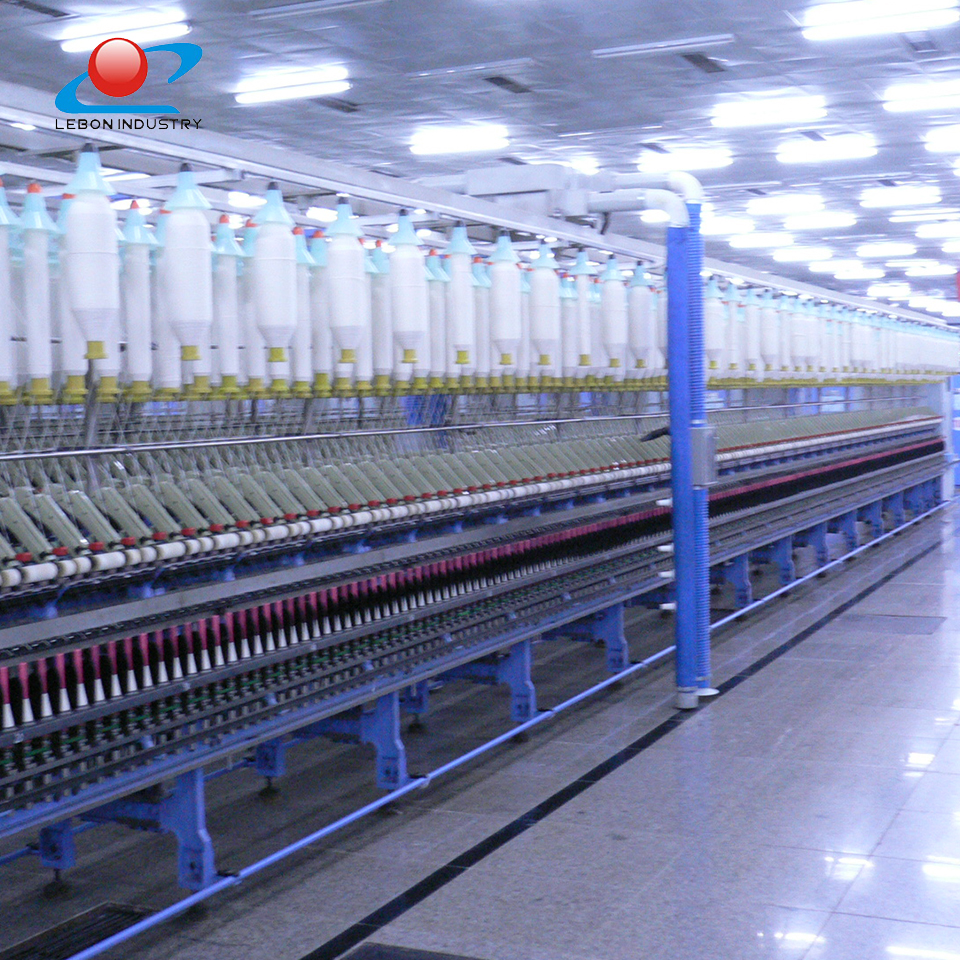
2. Superior Yarn Quality: Utilizing high-precision carding and drafting systems, the equipment thoroughly removes impurities and short fibers from raw materials. This ensures the resulting yarn is uniform, strong, and free of neps, with minimal count deviation. Consequently, the yarn is less prone to breakage during subsequent weaving and knitting processes, thereby elevating fabric quality. The system is capable of producing high-count yarns, achieving a quality standard equivalent to that of imported machinery.
3. High Adaptability and Flexibility: The equipment supports the production of yarns from a wide variety of raw materials and in a broad range of counts. It allows for rapid switching between product specifications to meet customers’ customized requirements. Additionally, it is compatible with various spinning methods—such as ring spinning and open-end spinning—catering to diverse market demands.
4. Energy-Efficient and Durable: Featuring an optimized transmission structure, the equipment reduces energy consumption by over 18% compared to traditional spinning machinery. Its core components are manufactured from high-grade steel, offering exceptional wear resistance and corrosion resistance to ensure a long service life. Furthermore, it is equipped with a comprehensive maintenance system that minimizes equipment failure rates and enhances production continuity.
With years of deep expertise in the field of spinning machinery, we remain steadfastly focused on R&D directions centered on “efficiency, quality, and energy conservation.” We provide textile enterprises with customized spinning line solutions, empowering our clients to enhance their product competitiveness right from the source.