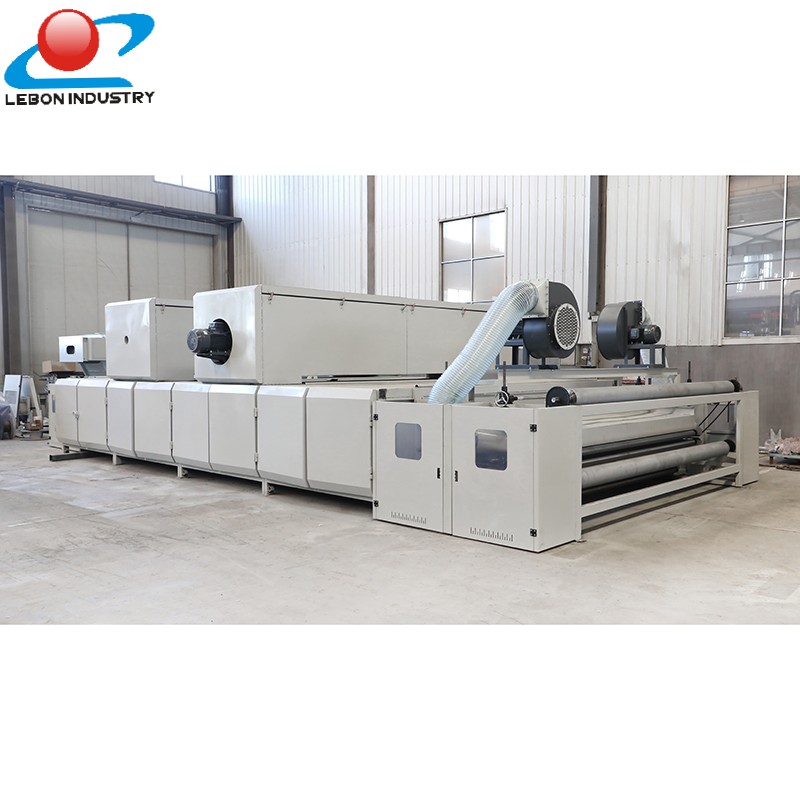
For any manufacturer or distributor in the nonwoven fabric industry, understanding how to maintain a nonwoven machine for long-term operation is essential. Proper maintenance not only extends the life of your equipment but also ensures consistent fabric quality and operational efficiency. Nonwoven machines are complex, with multiple moving parts, heating elements, and rollers that require careful attention. Whether you are managing a high-capacity nonwoven machines line or a specialized fabric making machine, systematic maintenance routines can prevent costly downtime and enhance production stability.
Why Regular Maintenance is Critical for Nonwoven Machines
Nonwoven machines operate under high-speed conditions and elevated temperatures. Without regular care, small mechanical issues can escalate, leading to production halts, uneven fabric formation, or even equipment damage. According to industrial maintenance studies, proactive upkeep reduces unexpected failures by up to 40%. Beyond cost savings, consistent maintenance supports compliance with quality standards, which is particularly important for medical or hygiene nonwoven fabrics.
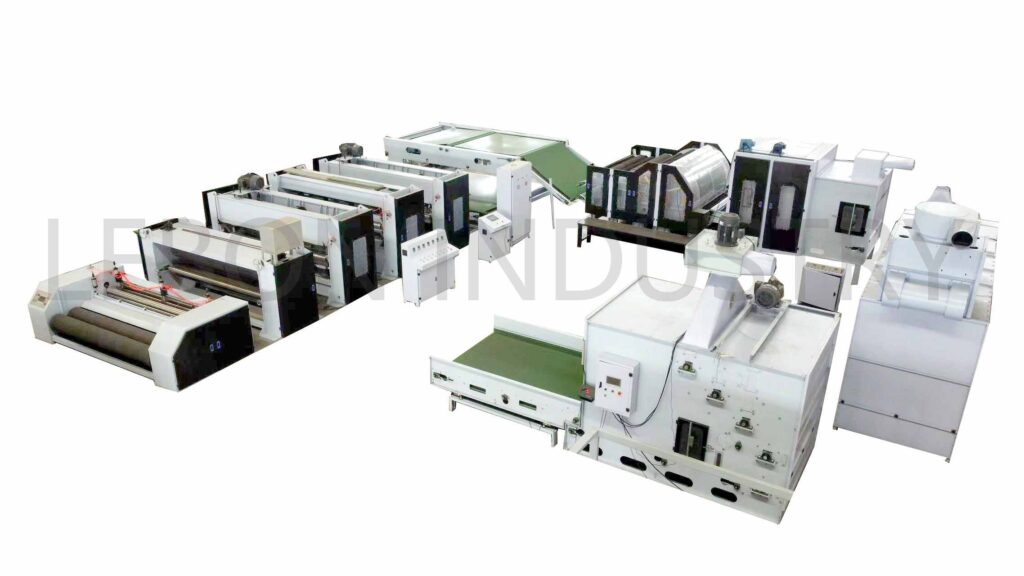
Common Issues Arising from Neglect
- Roller wear and misalignment
- Motor overheating
- Belt or chain breakage
- Clogging in the spinning or bonding section
- Electrical system failures
- Addressing these issues early preserves machine performance and prevents batch inconsistencies, ensuring long-term operational reliability.
Essential Maintenance Steps for Nonwoven Machines
Maintaining a nonwoven machine requires a structured approach that covers mechanical, electrical, and operational checks.
Daily Checks and Lubrication
Perform daily inspections of the moving parts, including rollers, bearings, and chains. Lubricate according to manufacturer specifications to prevent friction-related wear. Using the correct lubricant type is essential for maintaining roller precision.
Weekly Mechanical and Electrical Inspection
A weekly routine should include checking belts, motors, and electrical circuits. Inspect the heating systems for uniform temperature distribution, as uneven heat can lead to defects in the nonwoven fabric machine output.
Monthly Deep Cleaning
Dust and fiber accumulation in the airflow system, conveyor belts, and bonding area should be cleared monthly. Excess fiber can cause overheating, clogs, and reduced efficiency. Consider scheduled shutdowns for deep cleaning to minimize production disruption.
Calibration and Alignment
Accurate roller alignment and tension calibration are critical for producing uniform nonwoven fabrics. Misalignment can result in uneven fabric thickness or weak bonding zones. Use precision measurement tools and follow manufacturer guidelines.
Operational Best Practices to Support Maintenance
Operational habits directly impact machine longevity.
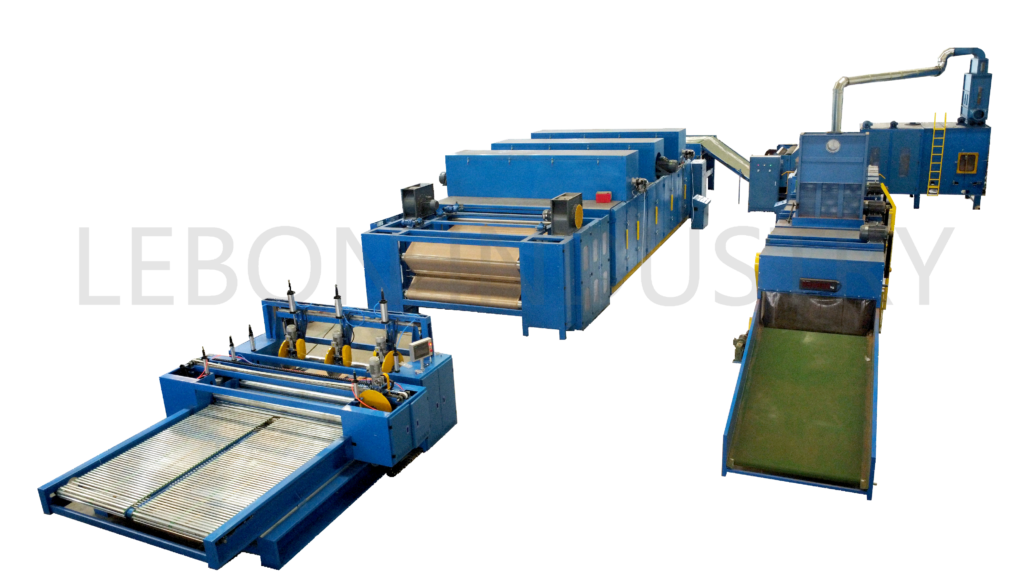
Controlled Start-Up and Shutdown
Avoid abrupt start-stop cycles. Gradual ramp-up of the machine temperature and motor speed reduces mechanical stress.
Monitoring Production Parameters
Track temperature, motor load, and fabric tension continuously. Real-time monitoring allows early detection of anomalies and prevents long-term damage.
Training Operators
Well-trained operators recognize early warning signs of wear or misalignment. Establish a standard operating procedure (SOP) that includes routine checks and reporting protocols.
Using High-Quality Raw Materials
High-quality polypropylene, spunbond fibers, and other inputs reduce strain on rollers and heating elements, extending machine life.
Advanced Maintenance Tips for Industrial Nonwoven Machines
Beyond routine checks, advanced techniques improve durability:
Vibration Analysis
Regular vibration checks on motors and bearings detect early-stage wear that is not visually apparent.
Thermal Imaging
Use thermal cameras to identify hot spots in electrical components or heating zones. Early detection prevents catastrophic failures.
Scheduled Part Replacement
Components like belts, bearings, and heating elements have defined lifespans. Adhering to replacement schedules reduces unplanned downtime.