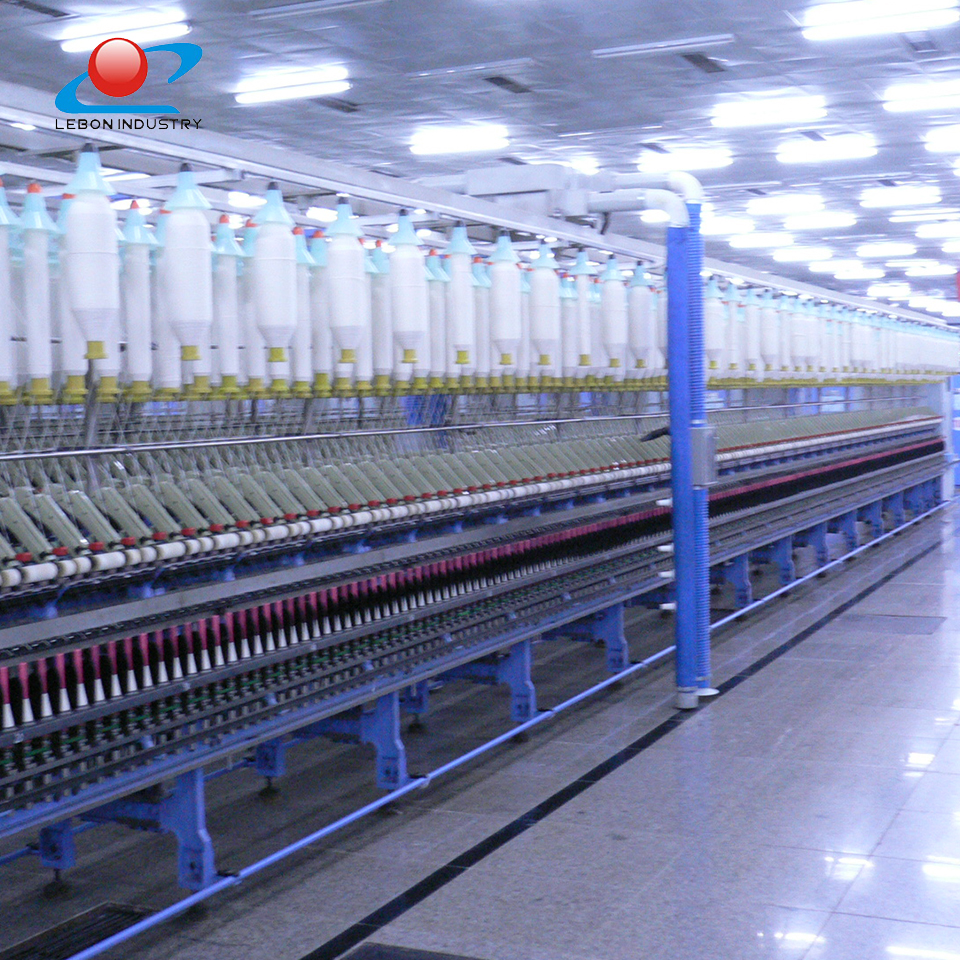
Yarn neps are common, harmful fiber defects in cotton spinning that compromise yarn appearance, fabric smoothness and overall textile quality. Reducing neps requires a clear understanding of their formation throughout the spinning process. This article classifies neps into raw material-induced and process-induced types, analyzes core formation causes in ginning, opening, carding, conveying and drafting, and offers practical guidance for spinning mills to optimize processes and stabilize yarn quality.
Yarn neps are small, irregular knots and granular clusters formed by disorderly entangled fibers. They mainly arise from fiber friction, twisting and entanglement during ginning and spinning, especially with immature or dead cotton fibers. All neps fall into two core categories: raw material-derived neps and processing-derived neps.
1. Raw Material-Derived Neps
Raw material-derived neps are inherent defects in raw cotton, including hull-adhered fiber neps, wax-induced neps and harvesting-generated neps. These natural defects depend entirely on cotton grade and cannot be eliminated via spinning adjustments.
Nep count is a key raw cotton grading indicator. Low-grade cotton contains more impurities, immature fibers and dead cotton, producing more neps in processing. For this reason, nep data from yarns spun with different raw materials is not comparable and cannot be used to evaluate spinning machine performance.
2. Processing-Derived Neps
Processing-derived neps are controllable defects generated during ginning and spinning, serving as the main target for quality improvement. Saw-type ginning machines produce ginning neps, while spinning neps mainly form during opening and carding, fiber conveying friction and hooked-fiber drafting.
2.1 Neps Generated in Fiber Opening and Carding
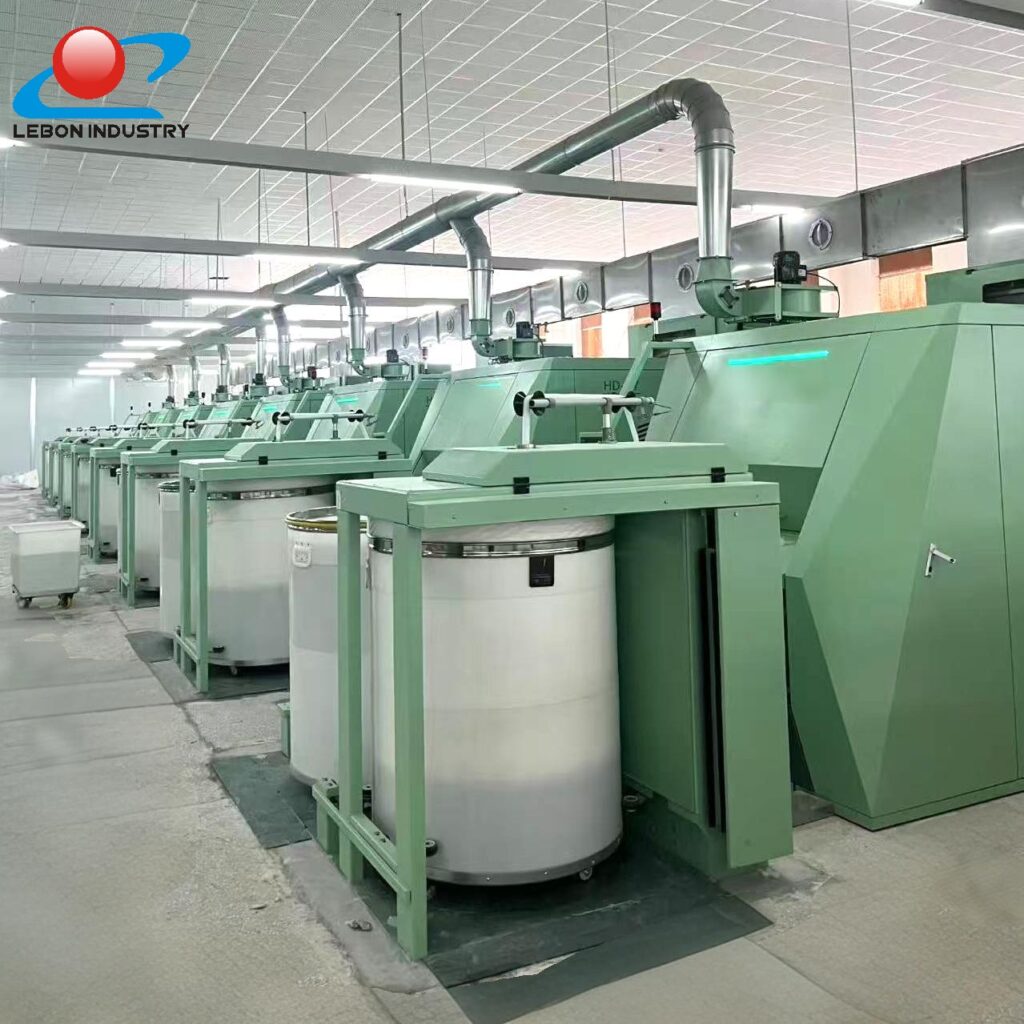
Opening and carding directly govern yarn nep levels, adopting free opening and clamped opening modes. High-speed mechanical stress causes fiber fatigue, reduced rigidity and irregular entanglement, forming neps.
Free opening features mild action with minimal fiber deformation and fewer neps. In contrast, clamped opening delivers intense beating and carding force, causing severe fiber distortion and abundant large, loose neps that are hard to remove in later processes.
Combers remove massive coarse neps and impurities via noil extraction but generate a small number of fine neps. In cylinder-flat carding systems, high centrifugal force acts on fibers attached to cylinder clothing during operation.
Excessively wide carding gauges create floating uncontrolled fibers. Affected by speed differentials between carding components, floating fibers rub and roll continuously, forming massive carding neps. The quantity of floating fibers directly determines nep formation frequency.
2.2 Neps Caused by Fiber Adhesion, Wrapping, Clogging and Snagging
Fiber adhesion, roller wrapping, channel clogging and fiber snagging create intense local friction, causing disorderly fiber rolling and entanglement — a major source of process neps in spinning production.
(1) Dull, burred or worn clothing on cylinders, flats and doffers blocks smooth fiber transfer. Suspended fibers roll repeatedly between components and form stable neps.
(2) Excessive licker-in-cylinder gauge or rough clothing reduces fiber stripping efficiency, causing licker-in back-feeding. Recirculated fibers tangle with new fiber bundles and sharply increase nep counts.
(3) Damaged, stained or rusted cylinder clothing and overwide cylinder-doffer gaps lower fiber transfer rates, leading to cylinder fiber wrapping and aggravated nep accumulation.
2.3 Neps Caused by Frictional Resistance in Fiber Flow Channels
Fibers collide and rub against conveying pipeline inner walls during pneumatic transportation. Unsmooth channels and unstable airflow cause fiber twisting and friction neps. Maintaining smooth pipelines and reasonable negative pressure ensures stable fiber flow and reduces such defects.
2.4 Neps Formed by Hooked Fibers During Drafting
Drafting is a key stage for secondary nep generation. Poor fiber separation and parallelism cause tangling, with hooked fibers being the primary trigger for drafting neps, disrupting uniform strand structure.
Hooked fibers fixed by doffer clothing have free sections bent by high-speed rotating airflow, forming new fiber hooks. This cyclic defect greatly increases nep rates during drafting.
2.5 Other Nep Formation Causes
Residual cotton clumps, fiber ropes, impurities and short fibers from opening and cleaning further form neps during carding. Floating loose fibers settling on fiber strands also cause sporadic nep defects and uneven yarn surfaces.
Improperly maintained equipment, including worn or misinstalled aprons, eccentric spindles and worn travelers, disturbs regular fiber movement and drafting stability, further increasing yarn neps.
Conclusion
Nep count is a decisive indicator of yarn grade and textile product quality. Effective nep control relies on targeted process optimization based on clear formation mechanisms, rather than blind parameter adjustment. Reasonable process tuning and standardized equipment maintenance can fundamentally reduce neps and stabilize spinning production quality.