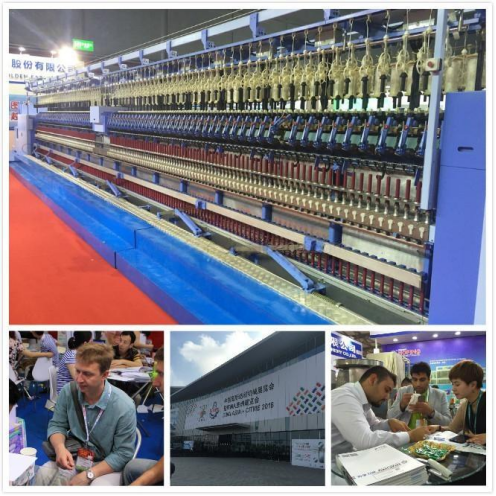
In today’s competitive textile industry, reducing operational costs is essential for boosting profitability and promoting sustainable manufacturing. For spinning mills, significant savings can be realized by optimizing electricity and water usage, as well as by adopting innovative, cost-effective components. In this article, we explore practical ways to save on energy and resources in cotton spinning—strategies that not only improve operational efficiency but also support environmental stewardship.
1. Reducing Electrical Energy in Humidification Systems
Humidification is critical for maintaining yarn quality, yet traditional systems can be energy-intensive. By upgrading to modern humidification technologies, mills can cut power consumption considerably while ensuring consistent climate control.
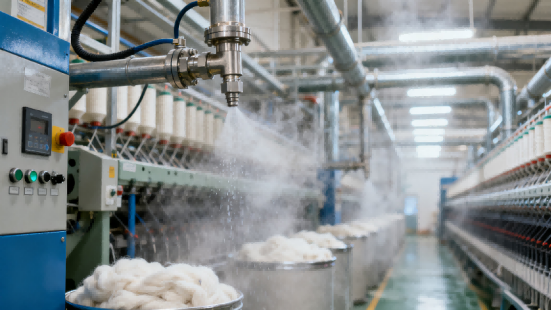
A. High-Pressure Misting Nozzles
Using high-pressure pumps (around 1000 psi) and precision misting nozzles (e.g., 0.1 mm orifice) to atomize water can reduce energy use by nearly 50% compared to conventional evaporative cooling. While nozzle clogging can occasionally occur, this method remains one of the most efficient ways to save electricity in spinning mill humidification.
B. Compressed Air Water Atomization Systems
This innovative approach eliminates the need for pumps, inverters, and complex piping. By operating directly from the main water line, compressed air misting systems reduce not only energy use but also water waste and chemical treatment costs. Moreover, these systems help maintain air quality without excessive water usage, offering a cleaner and more economical alternative.
Debunking Myths About Misting Systems
Some believe misting systems don’t clean the air—this is a misconception. As air passes through the fine mist, it carries moisture and can help reduce airborne dust. Depending on environmental conditions, this process can reduce or even eliminate the need for separate air washing, saving both energy and water.
Affordable Misting Solutions
While commercial misting nozzles vary in price, many mills have successfully manufactured their own in-house, lowering costs significantly. This flexible, low-power humidification method is already being adopted by modern mills worldwide.
2. Energy Savings in Blow Room & Carding Rotary Filters
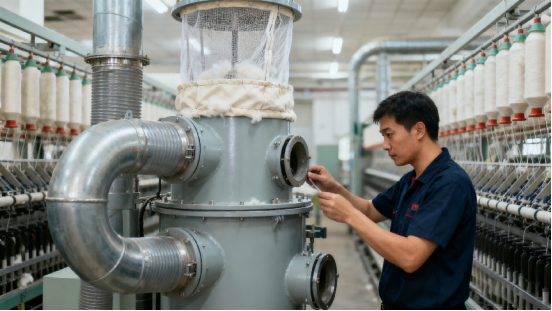
Rotary filters in blow room and carding sections are another area where energy use can be optimized. By rerouting exhaust air and reducing the load on suction fans, mills can achieve meaningful electricity savings.
A practical approach involves channeling exhaust air into a dedicated chamber equipped with dust bags. These capture short fibers and particulates, and the cleaned air is then released through nylon mesh—eliminating the need for extra fans and lowering overall power demand.
3. Cutting Water Heating Costs with Solar Systems
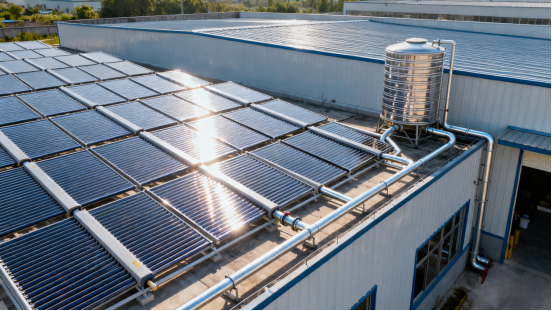
For textile mills involved in wet processing or requiring heated water for air conditioning, solar water heating offers a rapid return on investment. With payback periods typically between 6 months and 1.5 years, this renewable solution drastically lowers fuel or electricity consumption and reduces the carbon footprint of spinning operations.
Conclusion
Embracing energy-efficient technologies and smarter resource management allows cotton spinning mills to operate more sustainably and cost-effectively. From advanced misting systems and optimized filtration to solar thermal solutions, these innovations not only cut down on utility expenses but also position your mill as an industry leader in green manufacturing.
As a trusted supplier of nonwoven, coir, medical cotton, and spinning machinery—including complete production lines and individual equipment—we are committed to helping our clients integrate modern, efficient systems into their operations. Explore our range of energy-saving spinning and nonwoven machinery to enhance your productivity and sustainability.
Visit our website to learn more about our advanced textile machinery solutions tailored to your needs.