
Introduction: The Hidden Value in Your Spinning Mill Waste
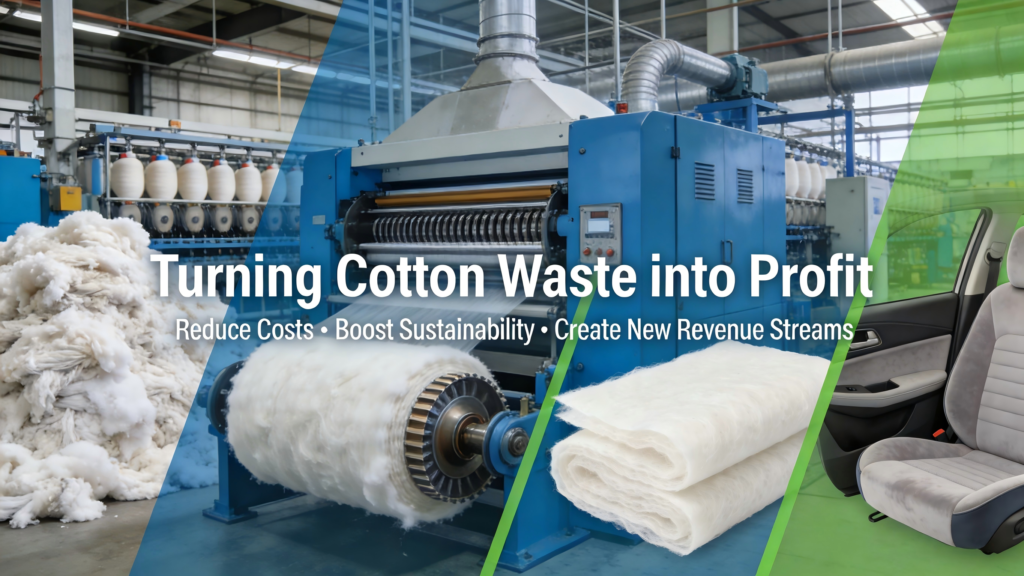
Every spinning mill generates waste. From blowroom droppings and carding flats to roving ends and broken yarn, these materials have traditionally been viewed as a cost to dispose of. However, this perspective is changing. In today’s competitive textile industry, cotton waste recycling represents a significant opportunity to reduce raw material costs and create new revenue streams. Consequently, investing in the right cotton waste recycling machinery can transform what was once a liability into a valuable asset. This guide explores the types of waste generated in spinning mills and the equipment needed to process them into reusable fiber or sellable by-products.
Understanding the Types of Spinning Mill Waste
Before exploring recycling solutions, it is essential to understand the different waste streams generated during cotton spinning. Each type has distinct characteristics that determine its optimal processing path and end-use application.
Blowroom and Carding Waste:
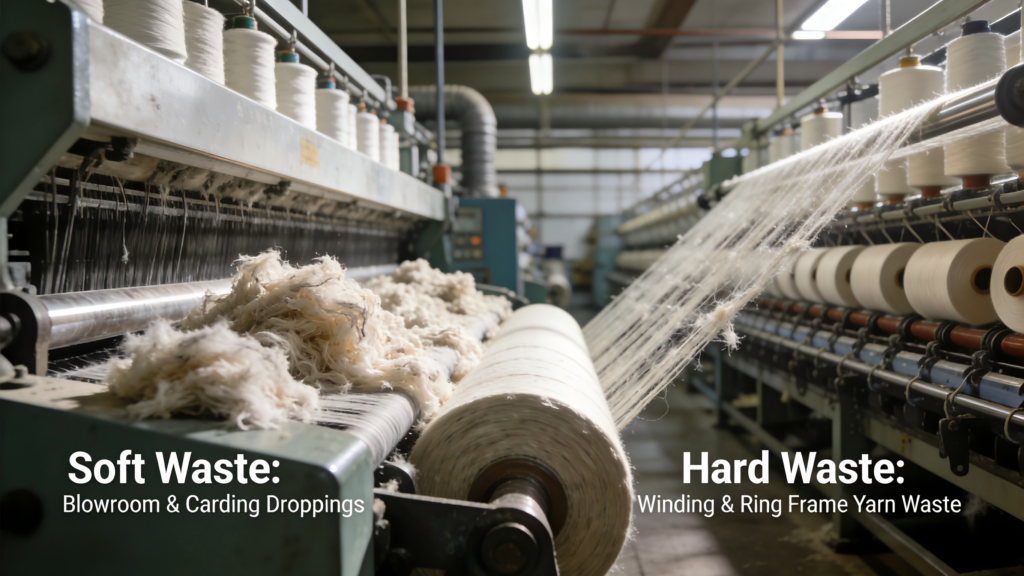
This category includes droppings from the blowroom line, mote from the mote knives, and flat strips from the carding machine. These materials contain a mix of short fibers, immature fibers, and non-fiberous matter. However, they also contain a significant proportion of good, spinnable fiber that can be recovered and reused.
Drawing and Roving Waste:
Waste generated during the drawing and roving stages includes sliver ends, lap waste, and roving ends. This material is cleaner and contains longer fibers compared to blowroom waste. Therefore, it requires less intensive processing and can often be fed directly back into the production line after proper opening.
Spinning and Winding Waste:
This includes pneumafil waste from the ring frame, broken yarn ends, and yarn waste from the winding process. These materials are highly entangled and contain twisted yarn structures. Consequently, they require more aggressive opening and disentangling to recover the constituent fibers.
Soft Waste vs. Hard Waste:
A critical distinction exists between soft waste and hard waste. Soft waste refers to loose fiber waste from the blowroom, carding, drawing, and roving stages. Hard waste refers to twisted yarn waste from the ring frame and winding stages. Soft waste is generally easier to recycle, while hard waste requires specialized machinery to untwist and open the fibers effectively.
The Core Machinery for Cotton Waste Recycling
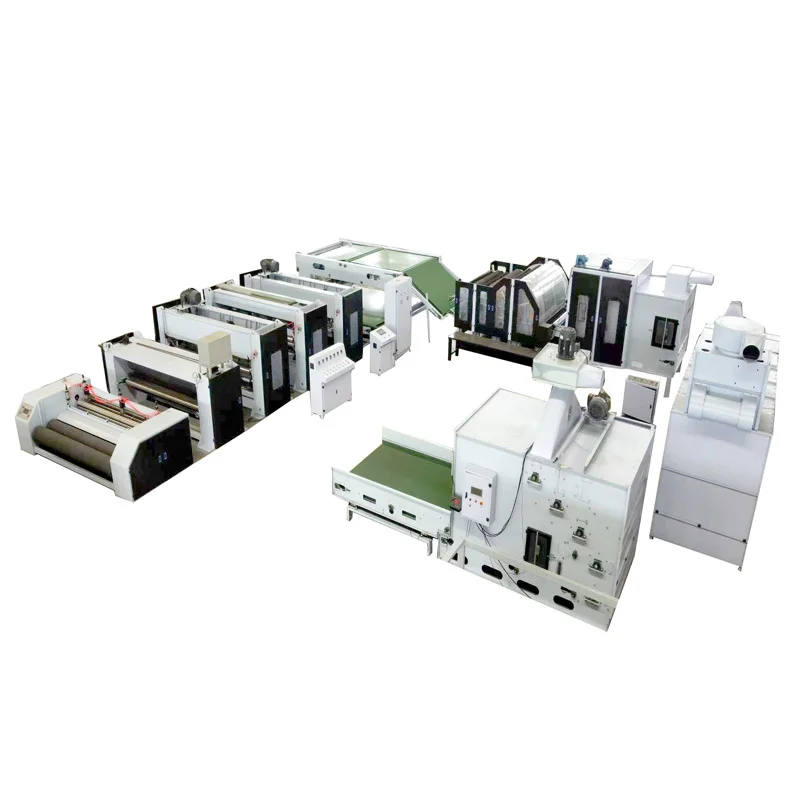
A complete cotton waste recycling line consists of several specialized machines designed to transform discarded materials into clean, reusable fiber. The configuration depends on the type of waste being processed and the intended end-use application.
Waste Opening Machine: The First Step in Recovery
The waste opening machine, also known as a waste breaker or cotton waste opener, is the entry point for most recycling operations. This machine receives compressed bales or loose waste and begins the process of separating and disentangling the fibers. It uses a series of spiked rollers or beater arms to tease apart clumps and release trapped fibers. For hard waste containing twisted yarn, a more robust yarn waste opening machine with higher speed and aggressive teeth is required to break down the twisted structures.
Fine Opener and Cleaning System
After initial opening, the material passes through a fine opener equipped with cleaning elements such as mote knives and grid bars. This stage removes remaining impurities, dust, and short fibers that cannot be effectively respun. The cleaning intensity can be adjusted based on the quality requirements of the intended end product. For applications requiring higher purity, multiple cleaning stages may be incorporated.
Blending and Feeding System
Once the waste has been opened and cleaned, it must be blended to ensure consistent quality. A multi-chamber blender or automatic weighing system mixes different waste streams or combines recycled fiber with virgin fiber to achieve the desired specifications. The blended material is then fed uniformly into the subsequent processing stages via a controlled feeding system.
Carding Machine for Waste Fiber
The heart of any cotton waste recycling line is the carding machine. This equipment transforms the opened and blended waste into a clean, parallelized web suitable for further processing. The carding machine for waste processing typically features special clothing designed to handle shorter fibers and potential impurities without excessive wear. It effectively removes remaining trash, aligns the fibers, and produces a uniform sliver or web. Depending on the end use, this sliver can be directly fed back into the spinning line or packaged for sale as recycled fiber.
Optional: Spinning Preparation and Re-Spinning
For mills aiming to respin recycled fiber into yarn, additional steps may be necessary. The carded sliver from recycled waste can be fed directly into drawing frames for further blending and parallelization. Subsequently, it proceeds through roving and spinning stages, just like virgin fiber. This closed-loop approach allows mills to produce yarn with a specified percentage of recycled content, appealing to sustainability-conscious customers.
Economic and Environmental Benefits
The decision to invest in cotton waste recycling machinery is driven by both economic and environmental considerations. The financial benefits are often substantial and measurable.
Raw Material Cost Reduction:
Purchasing virgin cotton represents a significant portion of a spinning mill’s operating costs. By recycling internal waste, mills can reduce their reliance on purchased raw materials. For every ton of waste processed, a significant percentage of usable fiber is recovered, directly lowering raw material expenditure.
New Revenue Streams:
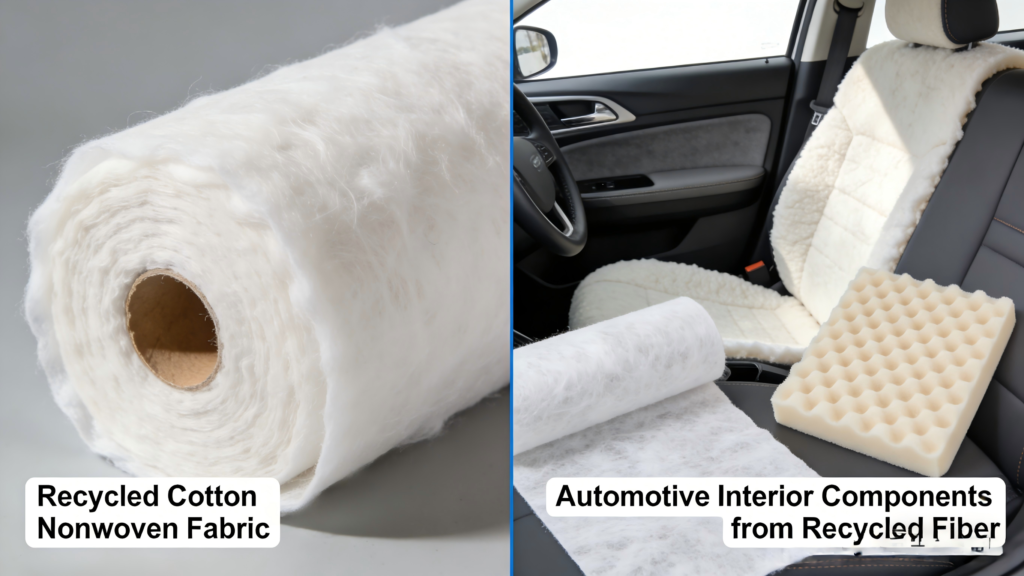
Not all recycled fiber needs to be used internally. Processed cotton waste, such as carded web or cleaned blowroom waste, can be sold to manufacturers of nonwoven products, automotive components, mattress ticking, and other industrial applications. This creates an additional profit center from materials that previously incurred disposal costs.
Reduced Disposal Costs:
Landfilling textile waste is increasingly expensive and regulated. In many regions, disposal fees continue to rise, and environmental regulations restrict what can be sent to landfills. Recycling internal waste eliminates these disposal costs while improving the mill’s environmental footprint.
Sustainability Credentials:
Consumers and brands are demanding greater transparency and sustainability in textile supply chains. Mills that demonstrate closed-loop waste recycling practices can market their products as environmentally responsible, commanding premium pricing and securing partnerships with sustainability-focused customers.
Applications for Recycled Cotton Waste
The recycled fiber produced from spinning mill waste serves a variety of markets beyond traditional spinning applications. Understanding these end-uses helps mills maximize the value of their recovered materials.
Nonwoven Fabric Production:
Recycled cotton fibers are highly valued in the nonwoven industry for applications such as wipes, medical pads, filtration media, and insulation materials. The shorter fiber length typical of recycled cotton is well-suited to needle punch and thermal bonding processes.
Automotive Components:
The automotive industry uses recycled cotton fibers for interior components such as sound insulation, trunk liners, and seat padding. These applications prioritize functionality and cost-effectiveness over premium fiber length.
Industrial Yarns:
For lower-grade yarn applications such as mop yarns, carpet backing, and industrial threads, recycled cotton offers an economical alternative to virgin fiber. These products do not require the high strength or softness demanded by apparel applications.
Composite Materials:
Recycled cotton fibers are increasingly used as reinforcement in composite materials for construction, packaging, and consumer goods. This growing market represents a valuable outlet for recycled fibers that may not meet spinning-grade specifications.
Conclusion: A Strategic Investment in Profitability and Sustainability
In summary, cotton waste recycling is no longer an optional consideration for forward-thinking spinning mills. It is a strategic imperative that delivers measurable financial returns while supporting environmental stewardship. By investing in appropriate cotton waste recycling machinery—including waste openers, fine cleaners, blending systems, and carding machines—mills can transform operational waste into valuable resources.
The benefits extend beyond cost reduction. Recycled fiber creates new revenue opportunities, reduces disposal expenses, and enhances sustainability credentials in an increasingly eco-conscious marketplace. Whether the goal is to close the loop by respinning recycled fiber or to sell processed waste to nonwoven and industrial markets, the right equipment configuration is essential for success.
We specialize in designing and supplying complete cotton waste recycling solutions tailored to your specific waste streams and business objectives. Our machinery is engineered for durability, efficiency, and ease of operation in demanding mill environments. From standalone waste openers to integrated recycling lines, we can help you unlock the hidden value in your spinning mill waste.
Ready to turn your waste into profit? Contact us today for a customized cotton waste recycling solution that fits your mill’s needs and goals.