
Introduction: Energy Is Your Second Largest Operating Cost
In nonwoven production, raw materials typically represent the biggest expense. Energy costs follow closely. For a typical needle punch line or thermal bonding line, electricity and fuel can account for 15-25% of total operating expenses. Therefore, reducing energy consumption directly improves your profit margin. Many plant managers believe high energy use is unavoidable. However, with the right adjustments, you can cut power use significantly without sacrificing production output or fabric quality. This article provides six practical tips to lower energy costs in your nonwoven manufacturing facility. Implement these strategies, and you will see measurable savings on your monthly utility bills.
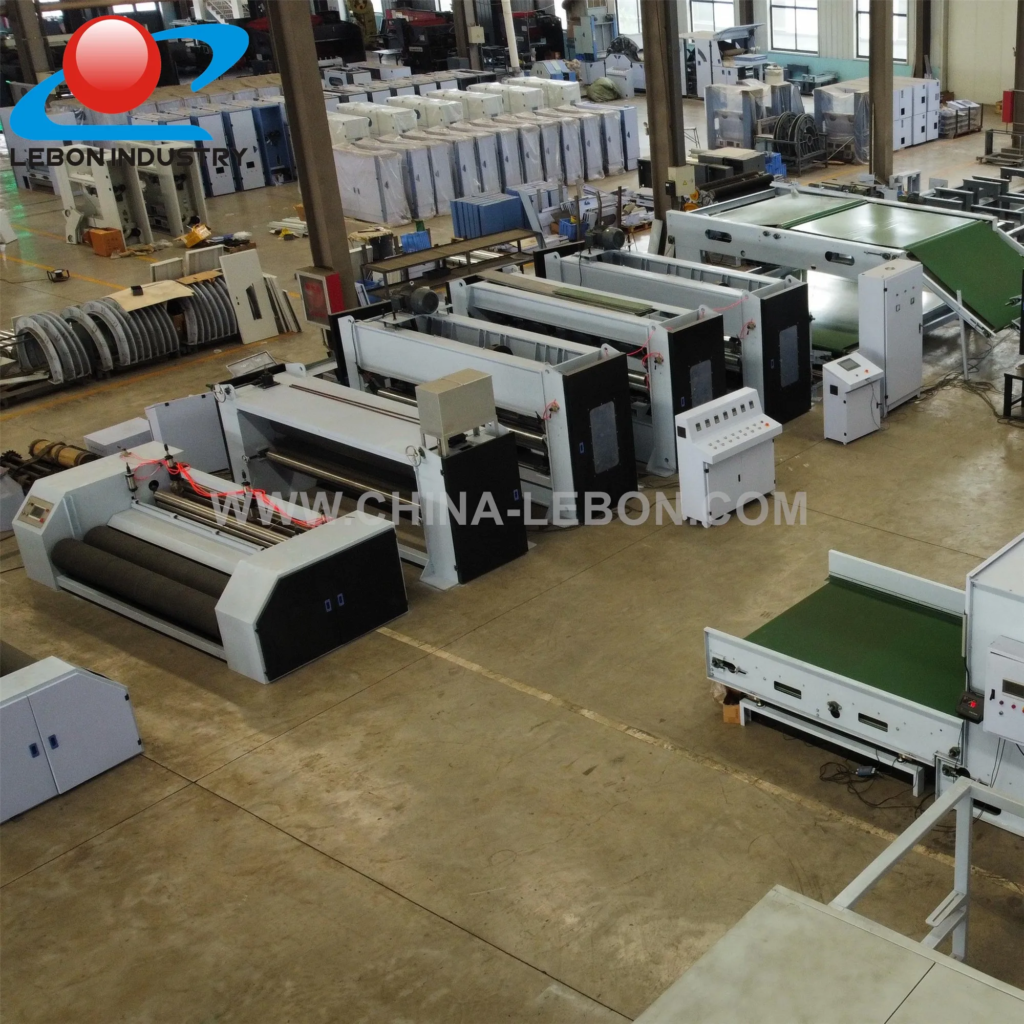
Tip 1: Install Variable Frequency Drives on Key Motors
Most nonwoven machines run at fixed speeds. Motors operate at full power even when demand drops. This wastes enormous energy. For example, a carding machine cylinder motor runs constantly, but you may only need full speed during peak production. Similarly, fans and pumps often run unnecessarily fast.
The Solution:
Install variable frequency drives (VFDs) on main drive motors, suction fans, and hydraulic pumps. A VFD matches motor speed to actual demand. Consequently, a motor running at 80% speed consumes only 50% of full-load power. Typical savings range from 20-35% for fan and pump applications.
Implementation Priority:
Start with the largest motors first. On a needle punch line, target the main needle loom drive, the cross lapper drive, and the suction fan. Payback period is usually under 12 months.
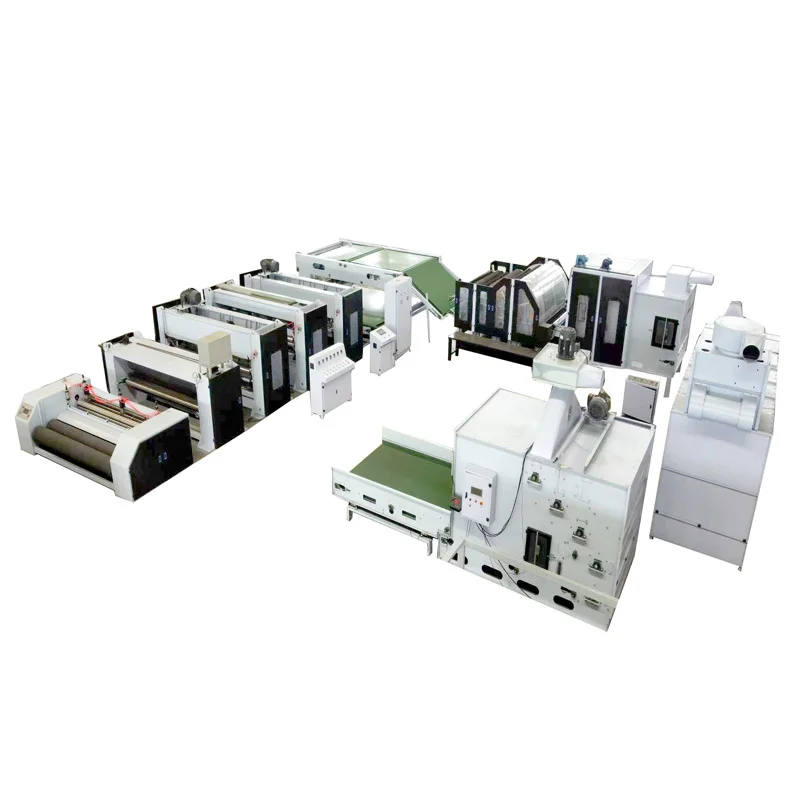
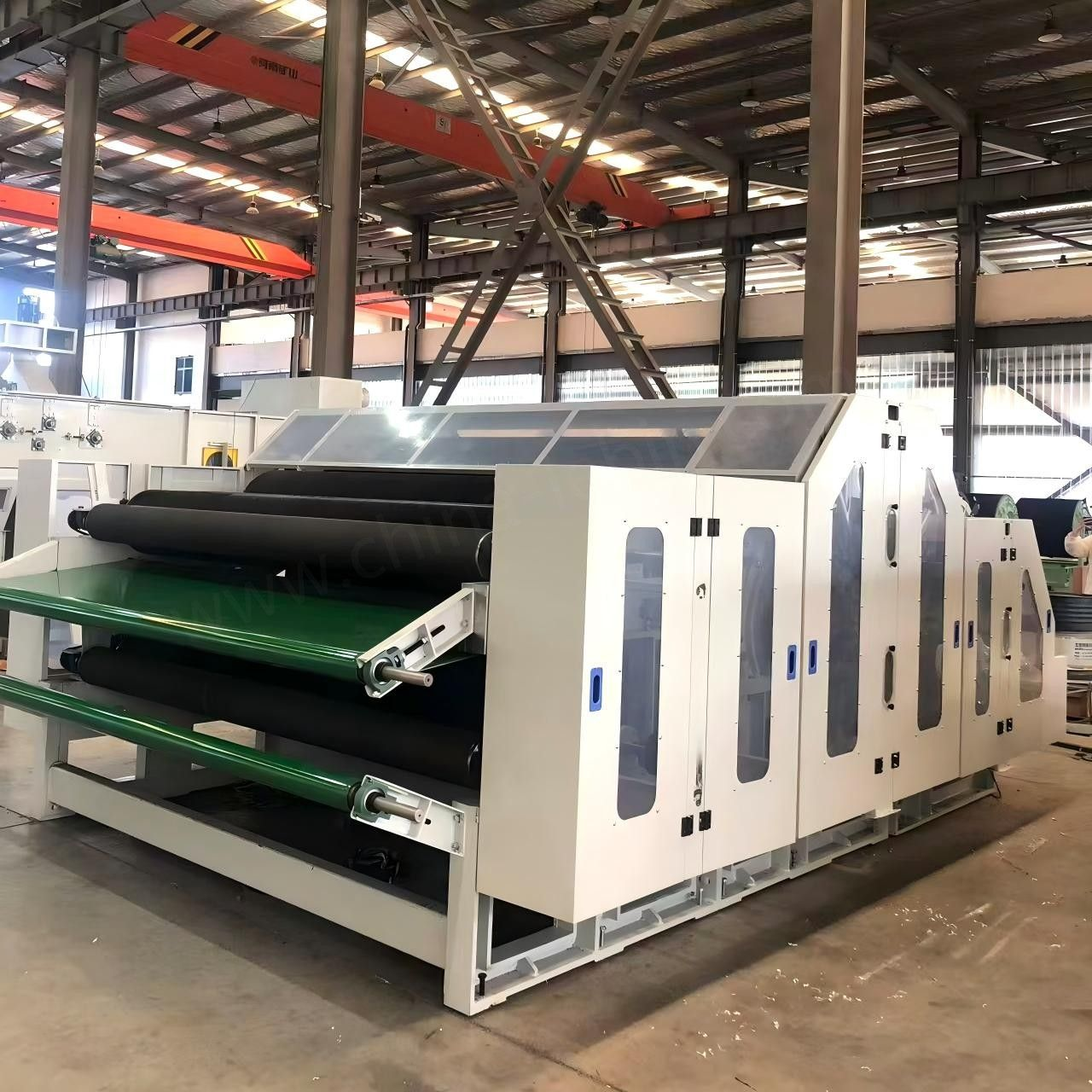
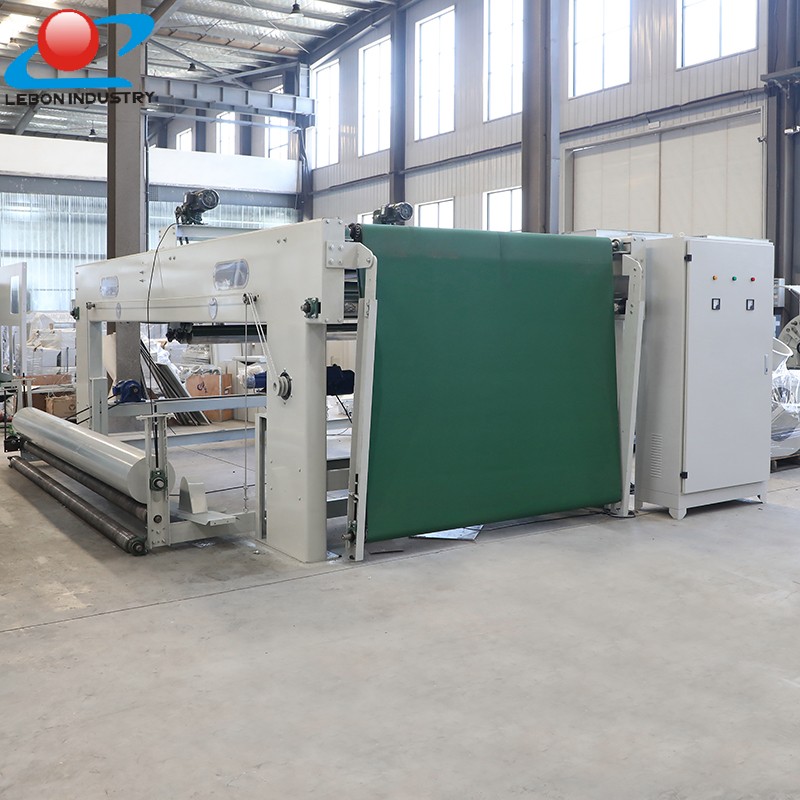
Tip 2: Optimize Your Thermal Bonding Oven Temperature Profile
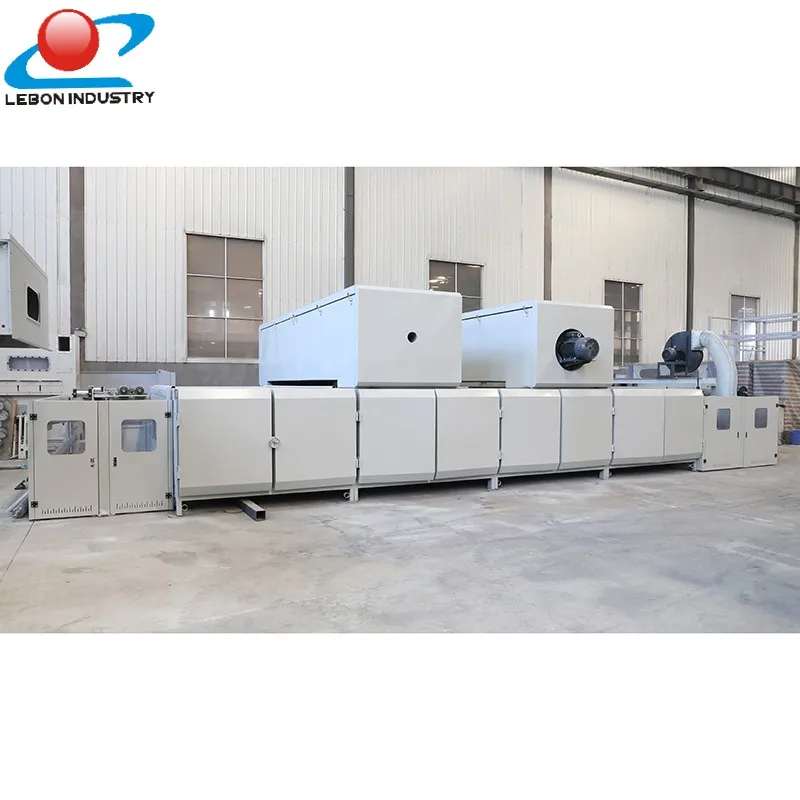
Thermal bonding lines consume substantial energy for heating. The oven or calender rollers must reach specific temperatures to melt binder fibers. However, many operators run ovens hotter than necessary. They also fail to optimize temperature zones.
The Solution:
First, map the temperature profile across your oven. Use an infrared thermometer to identify hot spots or cold zones. Second, reduce the setpoint to the minimum temperature that still achieves adequate bonding. A 10°C reduction can cut energy use by 5-10%. Third, use zone control. Heat only the sections where fabric passes. Finally, improve oven insulation and seal any air leaks.
Additional Saving:
Recover exhaust heat. Install a heat exchanger to preheat incoming fresh air using hot exhaust. This simple addition reduces fuel consumption by 15-20%.
Tip 3: Keep Filters and Ducts Clean
Dirty filters force fans to work harder. A partially clogged filter on your carding machine dust collection system can increase fan energy use by 30%. The same applies to oven recirculation filters and air conditioning units.
The Solution:
Establish a filter cleaning schedule. Check dust collector filters daily. Clean or replace them weekly. Inspect all ductwork for blockages. Clean condenser coils on chillers monthly. These simple housekeeping tasks require only labor, no capital investment. Yet they typically reduce total plant energy use by 5-10%.
Proven Result:
One nonwoven plant reduced fan power from 45 kW to 32 kW simply by cleaning clogged filters. Annual savings exceeded $5,000.
Tip 4: Use High-Efficiency Motors and Check Power Factor
Older nonwoven machines often use standard efficiency motors (IE1 or IE2). New premium efficiency motors (IE3 or IE4) consume 5-10% less electricity. When a motor fails, replace it with an IE3 or IE4 unit. The small price premium pays back quickly.
Power Factor Correction:
Many textile plants have poor power factor, typically 0.7 to 0.8. Utilities charge penalties for low power factor. Installing capacitors at motor control centers corrects power factor to 0.95 or higher. This eliminates penalties and reduces line losses.
Estimated Savings:
Power factor correction alone saves 3-8% on electricity bills. Combined with high-efficiency motors, total savings reach 10-15% for motor-driven equipment.
Tip 5: Reduce Compressed Air Leaks
Compressed air is one of the most expensive utilities in any factory. Many nonwoven lines use air for cleaning, conveying, and pneumatic actuators. However, leaks are extremely common. A single 3mm hole at 7 bar pressure wastes over $1,000 per year.
The Solution:
Conduct a compressed air leak audit. Walk through your plant during a shutdown. Listen for hissing sounds. Apply soapy water to fittings and couplings. Bubbles indicate leaks. Repair every leak immediately.
Additional Actions:
Reduce system pressure to the minimum required. Each 1 bar reduction cuts energy use by 7%. Also, install flow controllers on high-use machines. Turn off air supply to idle equipment.
Typical Savings:
Fixing leaks reduces compressor run time by 20-30%. For a 75 kW compressor running continuously, this saves 15-22 kW of electricity.
Tip 6: Schedule Production to Maximize Line Utilization
Running a nonwoven production line at partial capacity wastes energy. A line operating at 50% speed still consumes 70-80% of full-load power. Frequent start-ups and shutdowns also waste energy as machines reheat and re-accelerate.
The Solution:
Group similar products together to extend run lengths. Schedule changeovers during shift breaks to avoid idle running. When possible, run full capacity during off-peak hours if your utility offers time-of-use rates. This reduces demand charges and shifts consumption to cheaper periods.
Practical Example:
If you currently run two eight-hour shifts, consider consolidating production into one ten-hour shift plus planned overtime. The line runs fully loaded, then shuts down completely. Standby losses drop to zero.
Estimated Saving:
Reducing idle running by 20% of total operating hours cuts energy costs by 8-12%.
Conclusion: Small Changes Add Up to Big Savings
Cutting energy costs in nonwoven production does not require a complete plant overhaul. Start with the six tips above. Install VFDs on large motors. Optimize oven temperatures. Keep filters clean. Upgrade motors gradually. Fix compressed air leaks. Schedule production efficiently. Each action delivers modest savings alone. Together, they can reduce your energy bill by 20-30%. That money goes straight to your bottom line.
We design our nonwoven machinery with energy efficiency in mind. From VFD-ready drives to insulated ovens, every component aims to lower your operating costs. Contact us to learn how our equipment can help you achieve sustainable, profitable production.
Ready to cut your energy costs? Request an energy audit of your nonwoven line.