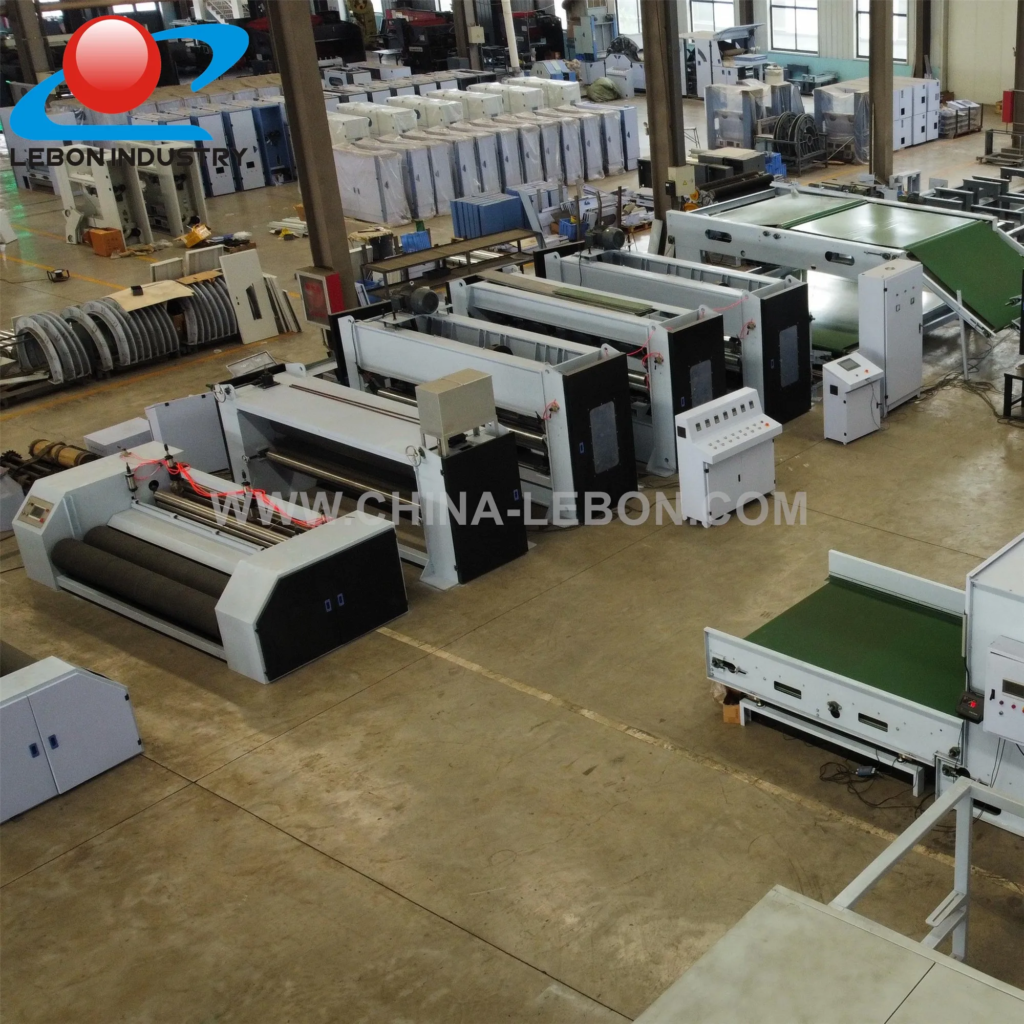
The Growing Need for High-Speed Nonwoven Production
In recent years, the textile industry has witnessed a dramatic shift toward automation and efficiency. Manufacturers are increasingly turning to high-speed nonwoven machinery to meet the rising global demand for hygiene products, medical textiles, filtration materials, and geotextiles. These advanced systems ensure consistent production quality, faster turnaround times, and lower operational costs — critical advantages for today’s competitive markets.
Modern production lines are designed to achieve high precision while maintaining stable output. For instance, Qingdao Lebon’s nonwovens production line delivers outstanding performance with intelligent control and superior fabric uniformity, enabling manufacturers to scale production efficiently without compromising quality.
Modern production lines are designed to achieve high precision while maintaining stable output. For instance, Qingdao Lebon’s nonwovens production line delivers outstanding performance with intelligent control and superior fabric uniformity, enabling manufacturers to scale production efficiently without compromising quality.
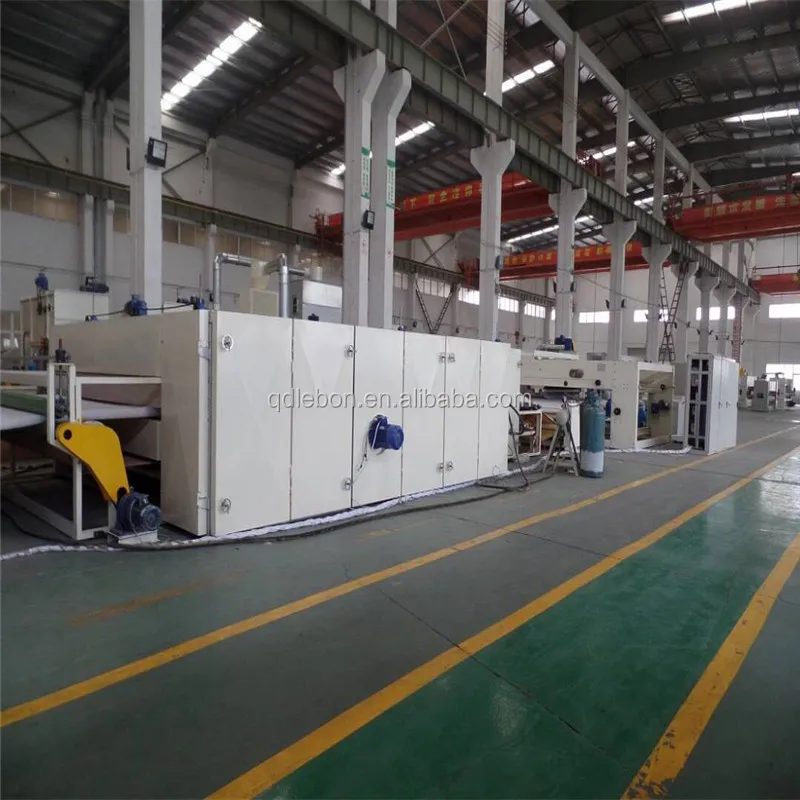
Core Technologies Behind High-Speed Nonwoven Machinery
The success of high-speed nonwoven systems lies in their technological innovation. Today’s machines are engineered with:
· Automated web forming and bonding systems for consistent fiber layering.
· Digital monitoring to control temperature, pressure, and line speed in real time.
· Energy-efficient components to reduce overall production costs.
· Precision air drawing and fiber distribution systems to ensure high fabric strength and softness.
These technologies make nonwoven production faster, more stable, and more sustainable — essential for businesses aiming to expand in global textile markets.
Key Advantages for Industrial Manufacturers
Investing in advanced nonwoven machinery offers multiple business benefits:
· Higher productivity: Faster production cycles and minimal downtime.
· Superior fabric consistency: Digital controls ensure accurate GSM and uniform appearance.
· Operational savings: Energy-efficient motors and optimized air systems cut energy consumption.
· Production flexibility: Machines can easily adapt to different materials and specifications.
By integrating high-speed systems, manufacturers can gain a strong competitive advantage in performance and profitability. LEBON’s non woven fabric machine provides this balance between high-speed operation and long-term reliability — essential for scaling production efficiently.