Nonwoven geotextiles are the unsung foundation of modern infrastructure. They stabilize roadbeds, shield embankments, build drainage networks, and support eco-friendly land reclamation projects.
For geotextile producers, investing in nonwoven production equipment is far more than a capital expenditure. Machine performance directly determines fabric quality, cost per square meter, and competitiveness when bidding for large-scale B2B infrastructure orders. This buying guide is written for procurement specialists, plant engineers and production managers. It explains core equipment configurations, key functional features, and how to build a future-proof production line to meet massive infrastructure project demands.
Booming Market Demand for Geotextile Nonwovens
Global infrastructure construction and tightening environmental regulations keep pushing geotextile consumption higher.
Highway projects need separation and reinforcement layers to prevent pavement rutting and extend road service life. Flood control and coastal erosion projects require filter fabrics with stable water permeability and long-term durability. Landfill anti-seepage and underground drainage systems also rely on geotextiles to protect geomembranes and sustain hydraulic performance.
Today’s manufacturers face dual challenges: boosting hourly output while keeping fabric properties highly consistent. This makes complete integrated production lines more favorable than standalone machines. A full-line solution ensures stable control over fiber blending, web forming, consolidation, finishing and winding, eliminating quality fluctuations between processes. Stable product consistency becomes a decisive advantage when tendering long-distance engineering projects and long-term supply deals.
Core Technology & Configuration of Modern Geotextile Production Lines
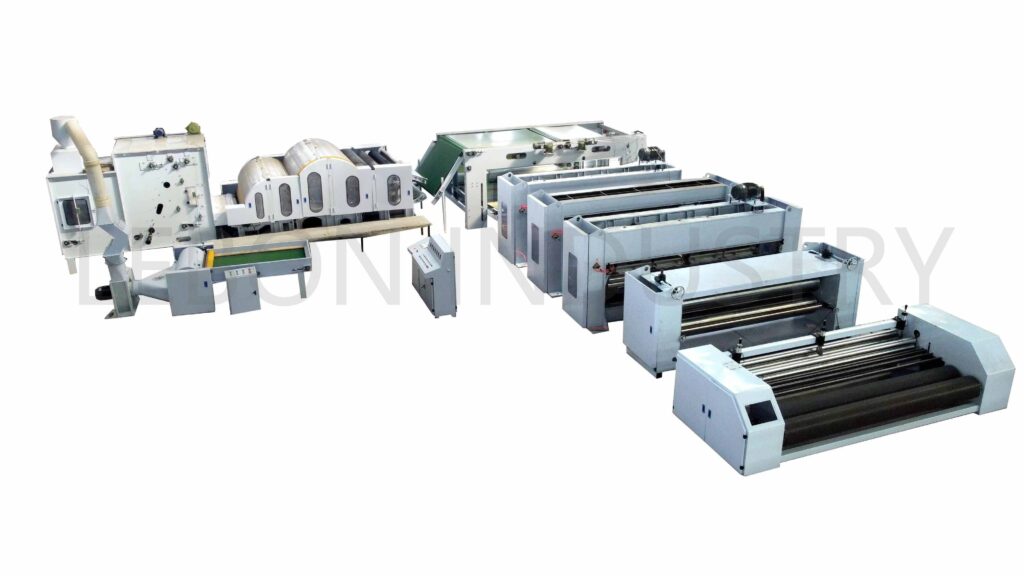
A full geotextile nonwoven line consists of interconnected processing units. Standard workflow includes fiber opening & blending, carding/spunbond web formation, cross-lapping, consolidation (needle punching, thermal bonding or hydroentanglement), surface finishing and winding. Every single section affects the fabric’s tensile strength, filtration property and long-term stability.
- Web Forming Even fiber distribution decides permeability and tensile uniformity across wide rolls. High-precision carding equipment matched with stable cross-lapping control effectively reduces gram weight deviation.
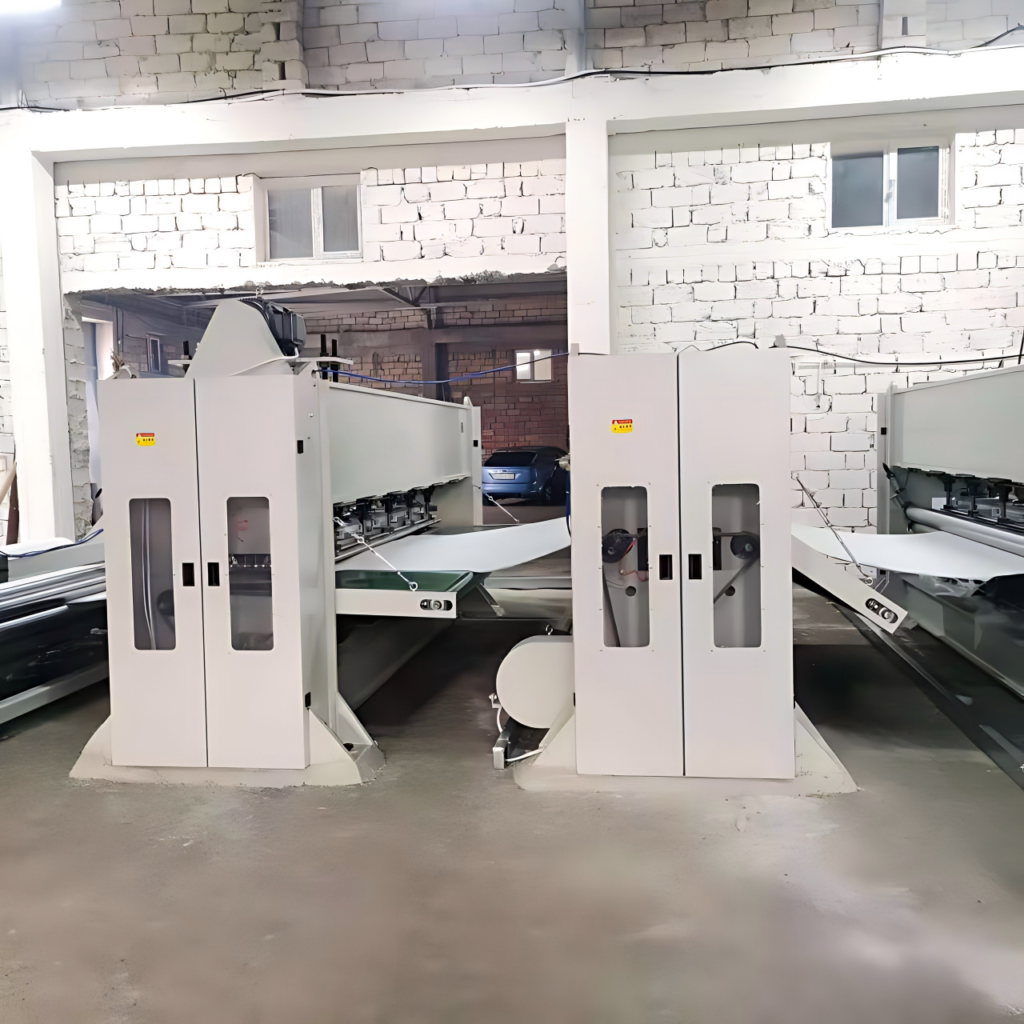
- Consolidation Technology Needle punching delivers high mechanical strength and ideal elongation, perfectly suited for soil reinforcement geotextiles. Thermal bonding and hydroentanglement are selected for projects requiring customized permeability and surface texture.
- Finishing Treatment Calendering, coating and compounding can greatly improve UV resistance, abrasion resistance and hydraulic performance to match different engineering scenarios.
- Automatic Monitoring System Closed-loop tension control, online GSM testing and real-time defect inspection cut waste and guarantee identical quality roll after roll.
For manufacturers developing eco-friendly infrastructure materials, production lines compatible with biodegradable raw materials and recycled polymers create new high-end market opportunities.
Key Evaluation Criteria for B2B Equipment Purchasers
Industrial project buyers focus less on basic parameters and more on total cost of ownership, production stability, production flexibility and after-sales service.
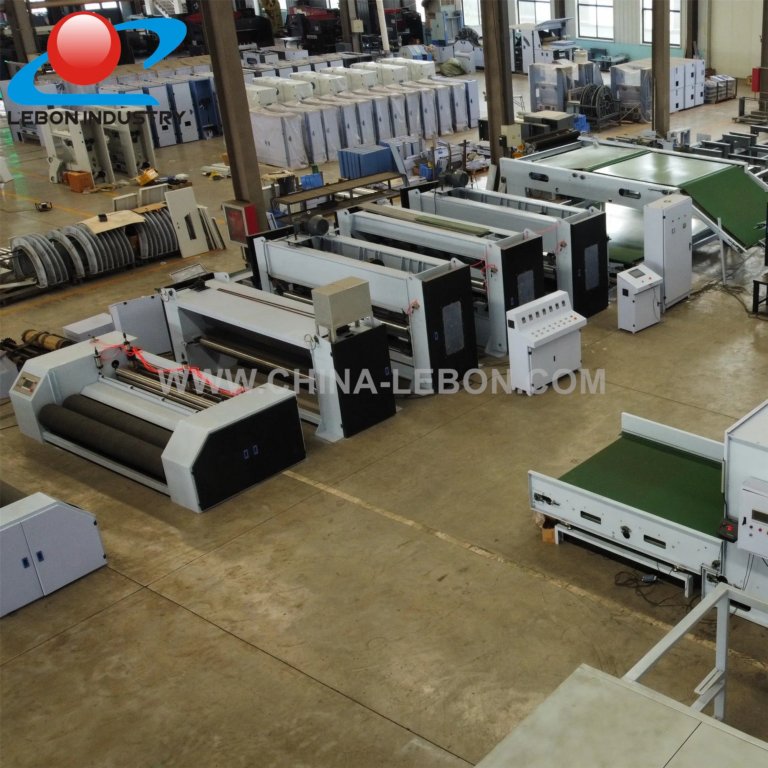
- Production Capacity & Line Layout Calculate output by square meters per hour according to order volume. Civil engineering projects require bulk deliveries; insufficient capacity will result in delayed shipments and liquidated damages.
- Production Flexibility Modular lines enable quick switching between different GSM values, fiber materials and consolidation processes, shortening changeover time to cater to diversified tender orders. Upgradable frame design reserves space for future capacity expansion.
- Energy & Raw Material Savings High-efficiency drive motors, waste heat recovery systems and low-loss web conveying effectively lower production cost per unit.
- Durability & Easy Maintenance Heavy-duty machine frames and accessible service points minimize unplanned downtime. Predictive fault diagnosis keeps continuous production running smoothly, which is essential for long-term B2B supply contracts.
- Online Quality Inspection & Batch Traceability Online testing for GSM, porosity and tensile strength, plus complete batch records, fully meet the strict inspection standards of infrastructure bidding documents.
- Customized Engineering Support Many projects require extra-wide fabrics, enhanced tensile structure or post-processing integration such as coating. Reliable equipment suppliers must support personalized line modification.
Operational Tips to Improve Yield & Reduce Risks
Advanced equipment alone cannot guarantee stable output. Standardized process management is equally important.
- Strict Raw Material Control Keep stable polymer grades and control workshop humidity for natural fibers and biodegradable materials. Inconsistent fiber length and denier are the top cause of unstable finished fabric quality.
- Stabilize Feeding & Airflow Calibrate feeding equipment regularly to avoid web waving and local gram weight deviation.
- Optimize Needle Punching Parameters For reinforcement geotextiles, adjust needle density and penetration depth to strike a balance between tensile strength and elongation, two core indicators for on-site engineering performance.
- Carry Out Predictive Maintenance Monitor bearing temperature, machine vibration and needle condition to arrange maintenance in advance and avoid costly unexpected shutdowns.
- Complete Quality Documentation Save inspection data for every finished roll. Complete test reports and traceable production records reduce quality disputes and accelerate order acceptance for engineering clients.
Market Segmentation & Product Differentiation Strategies
Engineering purchasers now demand more than basic separation and filtration performance. There is fast-growing demand for low-carbon, recyclable and long-service-life geotextiles. Profitable niche products include:
- High-stabilization geotextiles with customized elongation for heavy-traffic road projects
- Precision drainage geotextiles with strictly controlled permittivity for underground works
- Composite geotextile-geomembrane materials to shorten construction cycles and cut overall project cost
- Biodegradable temporary geotextiles for land reclamation and ecological restoration
Flexible production lines with fast formula switching help manufacturers launch these high-value products rapidly and gain higher profit margins.
Step-by-Step Investment Decision Guide for Procurement Teams
- Clarify your product range: confirm GSM range, consolidation method and applicable fiber materials.
- Calculate annual order volume and required uptime to determine hourly production capacity.
- Require trial production and fabric sample testing using your own raw materials.
- Give priority to suppliers providing custom modification, on-site installation, technical training and sufficient spare parts inventory.
- Calculate full-lifecycle costs including power consumption, wearing parts and maintenance, instead of only comparing initial equipment price.
- Inspect existing customer production workshops whenever possible to verify real operating conditions.
If your business roadmap covers eco-friendly biodegradable textiles, verify the supplier’s experience in modifying lines for green raw materials before signing the purchase contract.