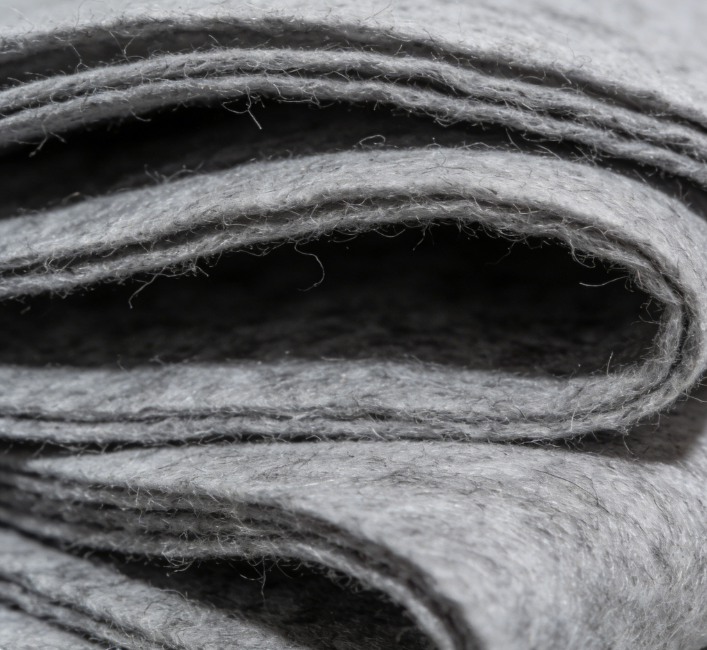
Nonwoven geotextile fabric plays a critical role in construction, civil engineering, environmental protection, and large-scale infrastructure development. Its ability to provide separation, filtration, drainage, protection, and reinforcement makes it indispensable in highways, railways, landfills, water conservation facilities, and mining projects.
As global demand continues to rise, manufacturers are under pressure to increase capacity, enhance fabric strength, and maintain consistent product quality. This drives many B2B buyers to search for a nonwoven machine for geotextile fabric that ensures stable output, high efficiency, and long-term cost-benefit performance.
In parallel, the market is also shifting toward sustainability. Many manufacturers now invest in a biodegradable nonwoven fabric making machine to meet eco-friendly policies and customer expectations — a trend explained in detail in the linked article.
Understanding these market forces is the first step toward selecting the right equipment for geotextile fabric production.
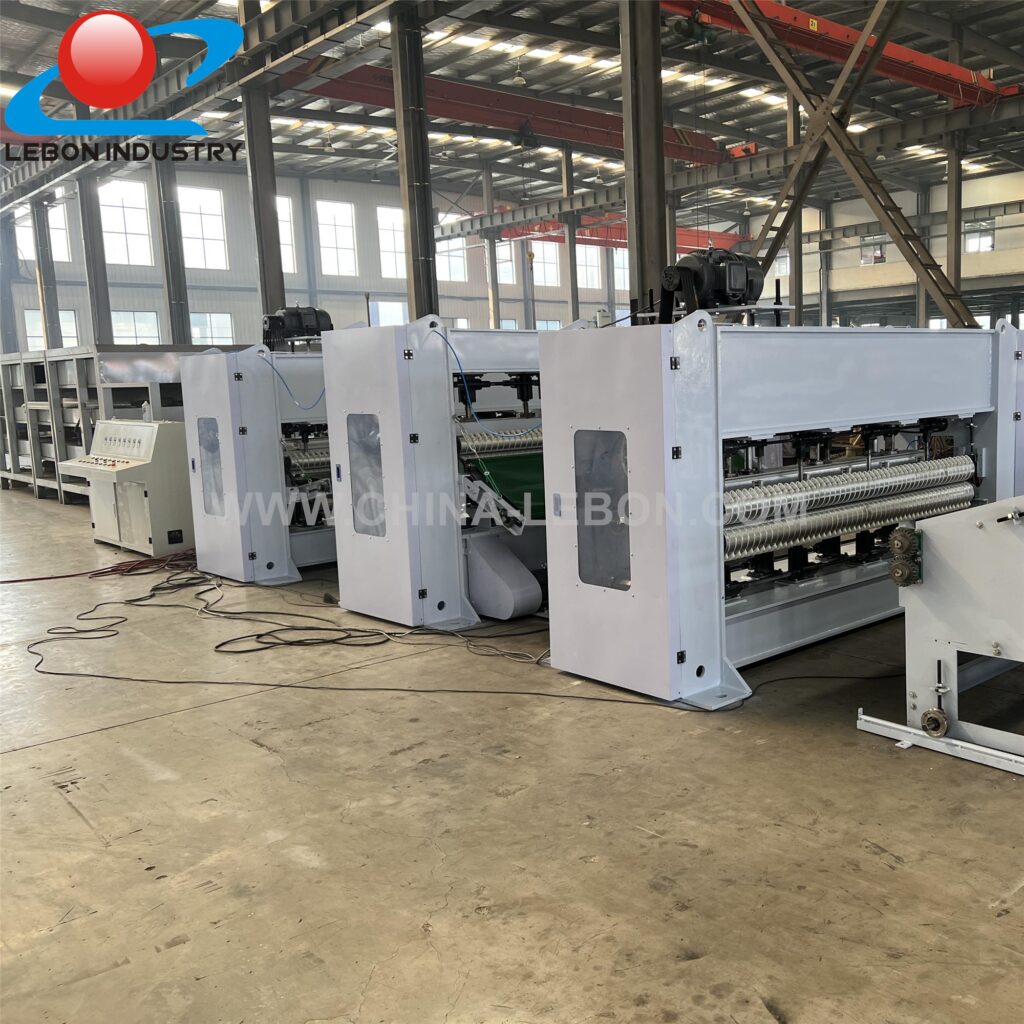
Key Technical Specifications to Evaluate in a Geotextile Nonwoven Production Line
When choosing a high-performance nonwoven machine for geotextile fabric, technical configuration is the biggest factor influencing output quality, usability, and ROI. Below are the most important parameters B2B buyers must assess:
1. Production Capacity and Working Width
Geotextile fabric typically requires large-format widths ranging from 1m up to 8m. A suitable machine should support stable continuous production at wide widths without compromising fiber uniformity. High-end models now offer high-speed carding, web forming, and needle punching systems designed for large-volume operations.
2. Fiber Compatibility and Blending Systems
Geotextile fabric can be produced from polyester (PET), polypropylene (PP), recycled fibers, or customized blends. A capable machine should ensure efficient fiber opening, blending uniformity, and web regularity to achieve stable tensile strength and filtration performance.
3. Needle Punching Technology
For geotextile fabric, durability depends heavily on the needle punching density, stroke frequency, and needle pattern. Advanced production lines now integrate multi-layer needling towers to ensure deep penetration and improved bonding strength.
4. Heating, Calendering, and Reinforcement Structures
Thermal bonding and calendering units help enhance the surface structure, dimensional stability, and abrasion resistance of geotextile products. Buyers should consider machines with energy-efficient heating systems to reduce operational costs.
5. Automation and Digital Monitoring
Fully automated nonwoven machinery significantly reduces labor cost and human error. Real-time monitoring of:
fiber feeding
web density
needling speed
fabric weight distribution
roll winding tension
Ensures consistently high-quality output — a key priority for industrial construction clients.

Cost Considerations for B2B Buyers — ROI, Energy Savings, and Lifetime Value
Choosing the right nonwoven machine for geotextile fabric is a long-term investment. Below are the top cost-related factors purchasers must evaluate:
1. Initial Equipment Investment vs. Long-Term ROI
High-end machine lines may have a higher upfront cost, but they also deliver:
reduced downtime
better energy efficiency
lower defect rates
longer mechanical lifespan
This significantly increases long-term profitability.
2. Energy Consumption
Energy usage accounts for a large portion of production cost. Buyers should prioritize:
energy-saving motors
heat recovery systems
smart process control
lightweight, low-friction mechanical components
These improve cost efficiency without compromising output.
3. Spare Parts Availability & After-Sales Support
Geotextile production lines operate almost continuously. Localized service teams and quick-turnaround spare parts supply help minimize long shutdown periods that can cost thousands of dollars per hour.
Why Leading Manufacturers Prefer High-Precision Production Lines for Geotextile Fabrics
Major infrastructure contractors and government projects have strict requirements for geotextile materials, including:
tensile strength consistency
controlled porosity
UV resistance
chemical resistance
durability under long-term stress
quality traceability
High-end nonwoven machines ensure every roll meets industry standards such as ASTM, ISO, and EN specifications.
Modern lines with digital monitoring systems also allow production data logging, which is essential for large-scale engineering auditing and quality control.