Introduction
Investing in a nonwoven production line is a significant decision that will define your manufacturing capabilities, product quality, and long-term profitability. Whether you are starting a new nonwoven fabric factory or expanding an existing one, choosing the right machinery is complex. The wrong choice can lead to downtime, high maintenance costs, and inferior products.
This guide outlines the most critical factors you must consider before purchasing a nonwoven machine to ensure you get the best return on investment (ROI) and a machine that meets your specific market needs, especially in growing regions like the Middle East and Africa.
1. Define Your End-Product and Raw Materials
The single most important question is: “What type of nonwoven fabric do I want to produce?” The answer dictates the entire production process and machinery type.
- Fabric Type: Are you aiming to produce:
- Spunbond Nonwoven for hygiene products (diapers, feminine care) or geotextiles
- Meltblown Nonwoven for high-filtration face masks and air filters?
- Needle Punched Nonwoven for geotextiles, synthetic leather, or carpet backing?
- Thermally Bonded Nonwoven for soft, absorbent wipes and hygiene product cores?
- Composite Fabrics like SMS (Spunbond-Meltblown-Spunbond) for high-end medical protective gear?
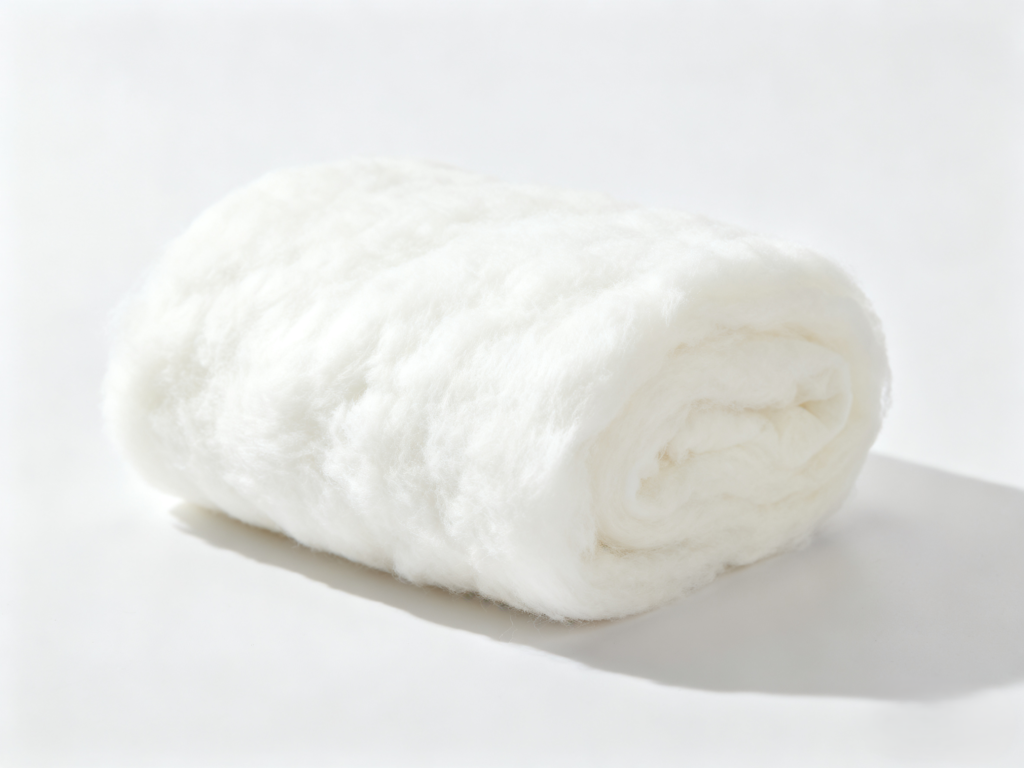
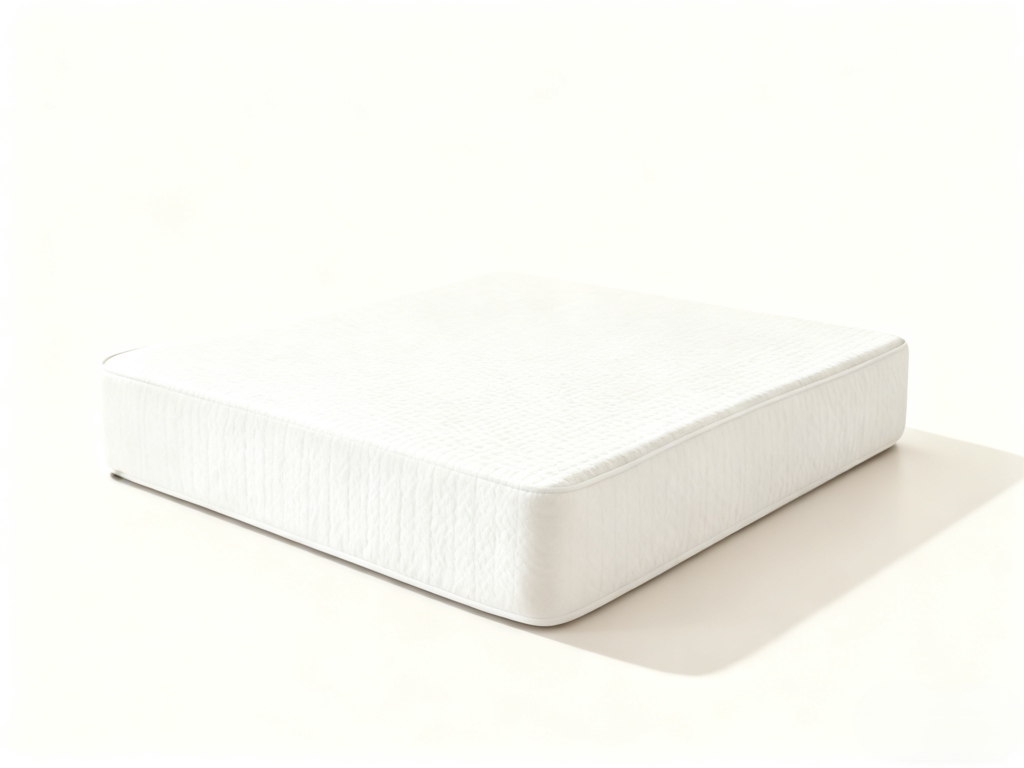
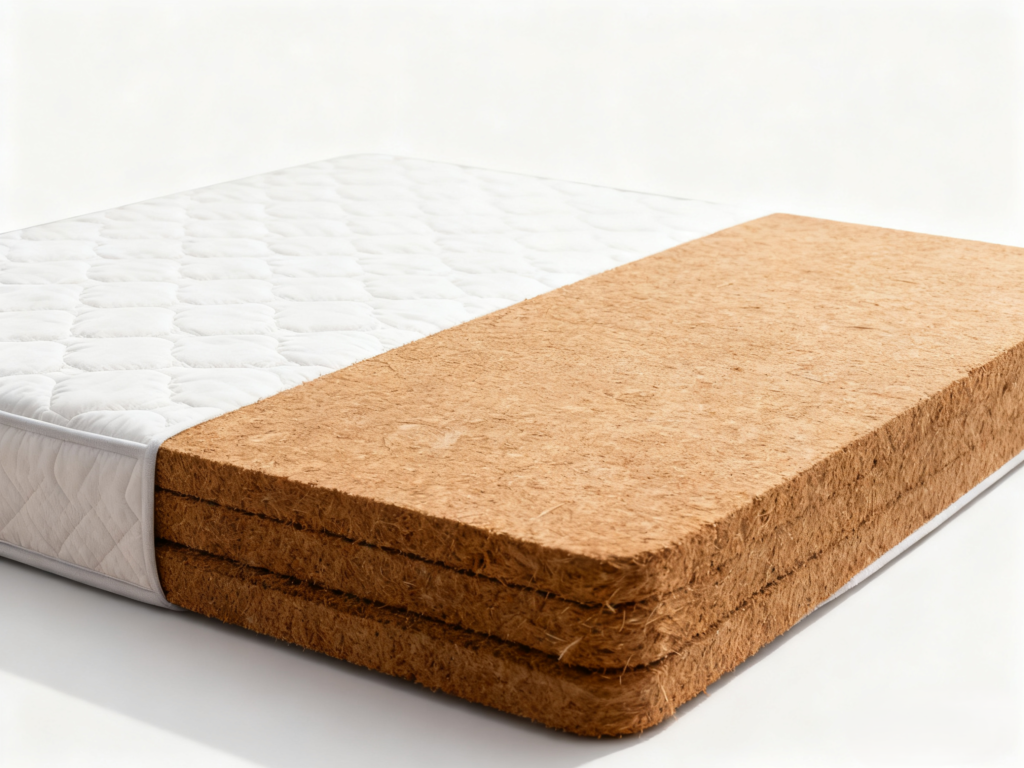
- Raw Materials: The line must be compatible with your chosen polymer (PP, PET, PE) or natural fibers (e.g., for coco coir processing). This affects the extruder, spinnerets, and bonding systems.
Action: Clearly define your target market and primary products first. This will narrow down your choice to a Spunbond line, Needle Punch line, Thermal Bonding line, or a more complex SMS nonwoven machine.
2. Production Capacity and Line Speed
Your business goals directly influence the required scale of your nonwoven making machine.
- Output (Tonnes/Hour or kg/hr): What is your required annual production? A small-scale nonwoven machine might suffice for a niche market, while a large-scale nonwoven fabric plant requires a high-throughput line.
- Line Width: Common widths range from 1.6m to 7m. A wider line produces more fabric per hour but requires a larger investment and factory space.
- Automation Level: Highly automated lines reduce labor costs and improve consistency, which is crucial for high-volume production of medical nonwovens or hygiene products.
Action: Project your sales for the next 3-5 years. Choose a line that can meet future demand with some room for growth, without over-investing initially.
3. Key Machinery Components and Technology
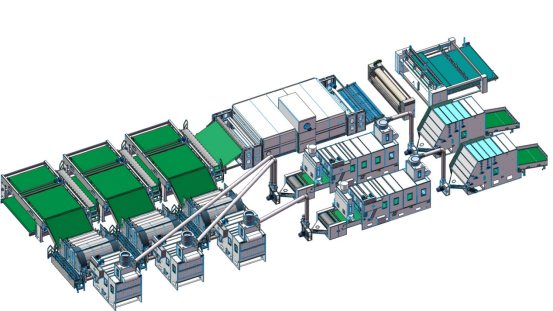
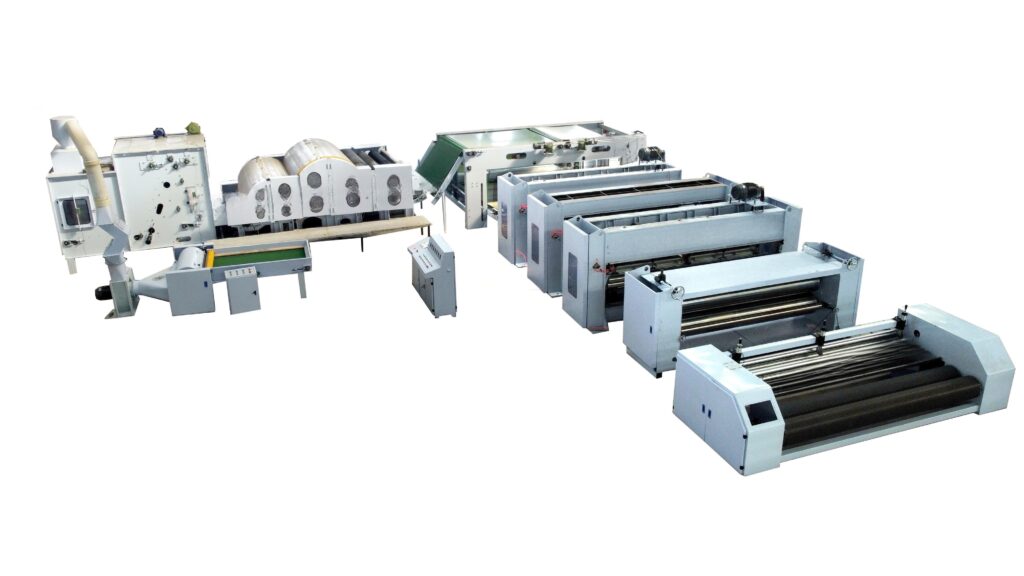
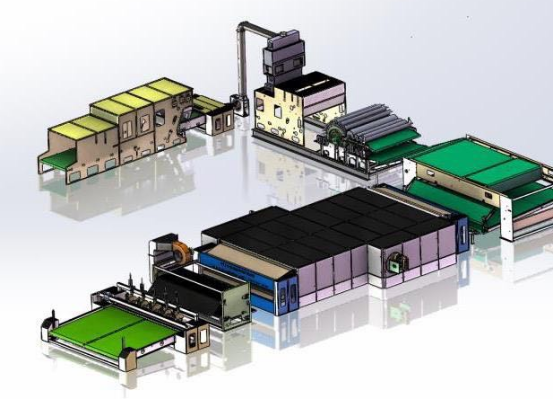
A nonwoven production line is a system. Pay close attention to the technology and quality of its core components.
- Web Forming: Is it a Spunbond system for continuous filaments or a Carding Machine for staple fibers? The uniformity of the web is foundational.
- Bonding Technology: This is the heart of the line.
- Needle Loom: The type (e.g., elliptical, rectangular), needle density, and stroke frequency are critical for needle punched fabric quality.
- Thermal Bonding Unit: Look for precise temperature control across the calender rollers for consistent thermally bonded nonwoven quality.
- Spunbond System: The design of the spinnerets, quenching system, and drawing units defines filament quality and fabric strength.
4. Supplier Reputation and After-Sales Service
Your relationship with the nonwoven machinery manufacturer is a long-term partnership.
- Technical Support: Can they provide expert installation, commissioning, and operator training?
- Spare Parts Availability: How quickly can they deliver critical spare parts? Downtime is expensive. A reliable textile machinery supplier will have a global logistics network for spare parts.
- Service Network: Do they have service engineers available for your region (e.g., Africa, the Middle East)?
- References and Case Studies: Ask for client references, especially those with similar production lines in developing countries.
Action: Choose a supplier known for reliability and strong after-sales support, not just the lowest price.
5. Investment Cost and Return on Investment (ROI)
The nonwoven production line cost is more than just the purchase price.
- Total Cost of Ownership (TCO): Include costs for installation, commissioning, raw materials, energy consumption, maintenance, and labor.
- Energy Efficiency: Modern, energy-efficient machines may have a higher upfront cost but significantly lower operating expenses, improving your long-term ROI.
- Financing Options: Some suppliers offer financing or flexible payment terms.
Action: Conduct a thorough cost-benefit analysis. Focus on the value and long-term profitability the line will bring, not just the initial investment.
6. Factory Requirements and Compliance
Ensure your facility is ready for the new line.
- Space and Layout: The factory must accommodate the entire line’s length, width, and height, plus space for raw materials and finished goods.
- Utilities: Confirm power supply, compressed air, and water requirements.
- Environmental and Safety Standards: The machinery should comply with international safety standards (e.g., CE). Consider the environmental impact of your production process.
Conclusion: Partner for Success
Purchasing a nonwoven production line is a strategic decision. By carefully evaluating your product needs, capacity, technology, supplier support, and total costs, you can make a choice that ensures the success and growth of your nonwoven manufacturing business for years to come.
As a professional manufacturer of complete nonwoven production lines and textile machinery, we provide end-to-end solutions—from technical consulting and custom line design to installation and lifelong support. Contact us today for a free consultation to find the perfect line for your business goals.