I. Neatness
A neat working environment is fundamental to stable nonwoven equipment operation and higher production efficiency. It avoids confusion from scattered materials and tools, and lowers the risk of equipment failures and safety accidents.
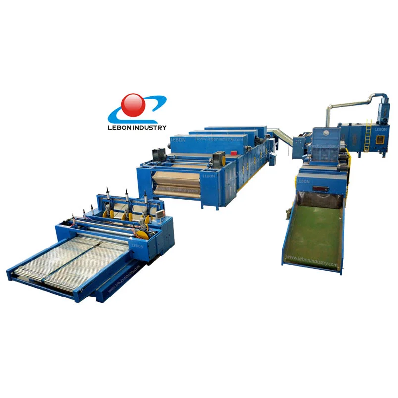
- 1. Stack raw materials and semi-finished products neatly on the production site. Classify them by category, specification and production batch. Place them on designated pallets or shelves with clear labels. This facilitates quick access and inventory management. Keep a safe distance between stacked materials and equipment to ensure unobstructed operation space and emergency channels.
- 2. Sort and store repair tools, measuring instruments and loose parts in special toolboxes or storage cabinets. Assign a fixed position to each tool and part. Keep toolboxes closed when not in use to prevent dust pollution and loss. Inspect and sort toolboxes regularly to ensure tools are intact and parts are complete.
- 3. Store spare parts in a clean, dry and well-ventilated designated warehouse or area. Take appropriate anti-rust measures based on the spare parts’ material and storage requirements. You can apply anti-rust oil, wrap anti-rust paper or place desiccants. Stack spare parts neatly by type and specification. Attach obvious labels with part name, model, quantity and storage date. This ensures timely retrieval during equipment maintenance.
II. Cleanliness
Keep equipment and the working area clean to prevent wear, corrosion and precision loss. This effectively extends equipment service life and guarantees nonwoven product quality.
- Wipe the equipment surface with a clean cloth regularly to remove dust and oil stains. Pay special attention to hard-to-clean dead corners to prevent dirt accumulation. Keep electrical control devices clean and intact, including control cabinets, operation panels and connecting wires. Do not use water or volatile solvents to clean electrical components, as this may cause short circuits or damage. Check the electrical control device shell regularly for integrity and internal dust. Use a hair dryer or brush for cleaning if necessary.
- Operators must carefully check products and production line components before starting the machine daily. Ensure no debris, dust, oil stains or other foreign matters on key parts like conveyor belts, rollers and die heads. Use special tools to remove residual materials on the production line. This avoids affecting equipment operation and product quality.
- Clean the work area regularly, including the ground, walls, equipment surroundings and storage areas. Keep the ground free of debris, oil stains and water stains. Use appropriate cleaning agents and tools based on pollution levels. Dispose of waste and garbage by category in a timely manner to maintain hygiene.
III. Lubrication
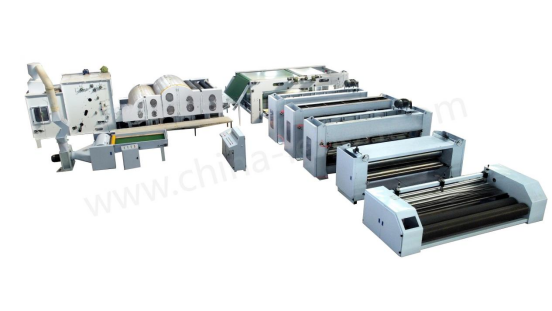
Lubricate equipment reasonably and timely to reduce friction between moving parts. This minimizes wear, prevents overheating and abnormal noise, and ensures flexible operation. Follow the equipment operation manual and relevant technical specifications for lubrication.
- For the centralized oil supply system, check the oil tank level, oil pump working status and oil leakage at pipes and joints regularly. Repair or replace damaged seals and pipes promptly if leakage occurs. Filter and replace the lubricating oil in the system regularly to ensure cleanliness and performance.
- Check the lubrication status of chains, sprockets and other transmission parts regularly. Observe if the chain has sufficient and uncontaminated lubricating oil. Add or replace the specified lubricating oil promptly if it is insufficient or deteriorated. Apply lubricating oil evenly to all parts of the chain for full lubrication during operation.
- The main bearings are key components for bearing load and ensuring rotation accuracy. Check their lubrication status regularly. Monitor for abnormal phenomena like high temperature, vibration and noise during operation. Stop the machine immediately if the bearing temperature exceeds the normal range or makes abnormal noise. Replace the lubricating oil or maintain/replace the bearing as needed.
IV. Safety
Safety is the top priority of equipment operation and maintenance. Strict implementation of safety operation procedures and regular safety inspections can effectively prevent safety accidents and ensure the personal safety of operators and the safe operation of equipment.
1. During the operation of the production line, the operator should always pay attention to the running state of the equipment. If abnormal noise, vibration, odor or other abnormal phenomena are found, the machine should be stopped immediately, the power supply should be cut off, and the fault should be reported to the maintenance personnel for inspection and treatment. It is strictly prohibited to continue operation or disassemble the equipment without authorization to avoid expanding the fault or causing safety accidents.
2. Regularly inspect all belts and timing belts of the equipment, including whether the belt tension is appropriate, whether there is wear, cracking, deformation or deviation. If the belt is loose, adjust it in time; if the belt is severely worn or damaged, replace it with a new belt of the same model immediately. At the same time, check the pulley and timing wheel to ensure that they are intact and free of eccentricity, so as to ensure the normal transmission of the belt.
3. Regularly inspect the working status of electrical components in the control cabinet and on the operation panel, such as contactors, relays, fuses, buttons and indicators, to ensure that they are in good contact, sensitive in action and clear in indication. Check all motors and reducers for abnormal noise, overheating, oil leakage and other phenomena, and check the insulation performance of the motor to prevent electric leakage. For electrical components with faults, repair or replace them in time to ensure the safe and stable operation of the electrical system of the equipment.
V. Regular Inspection and Maintenance Plan
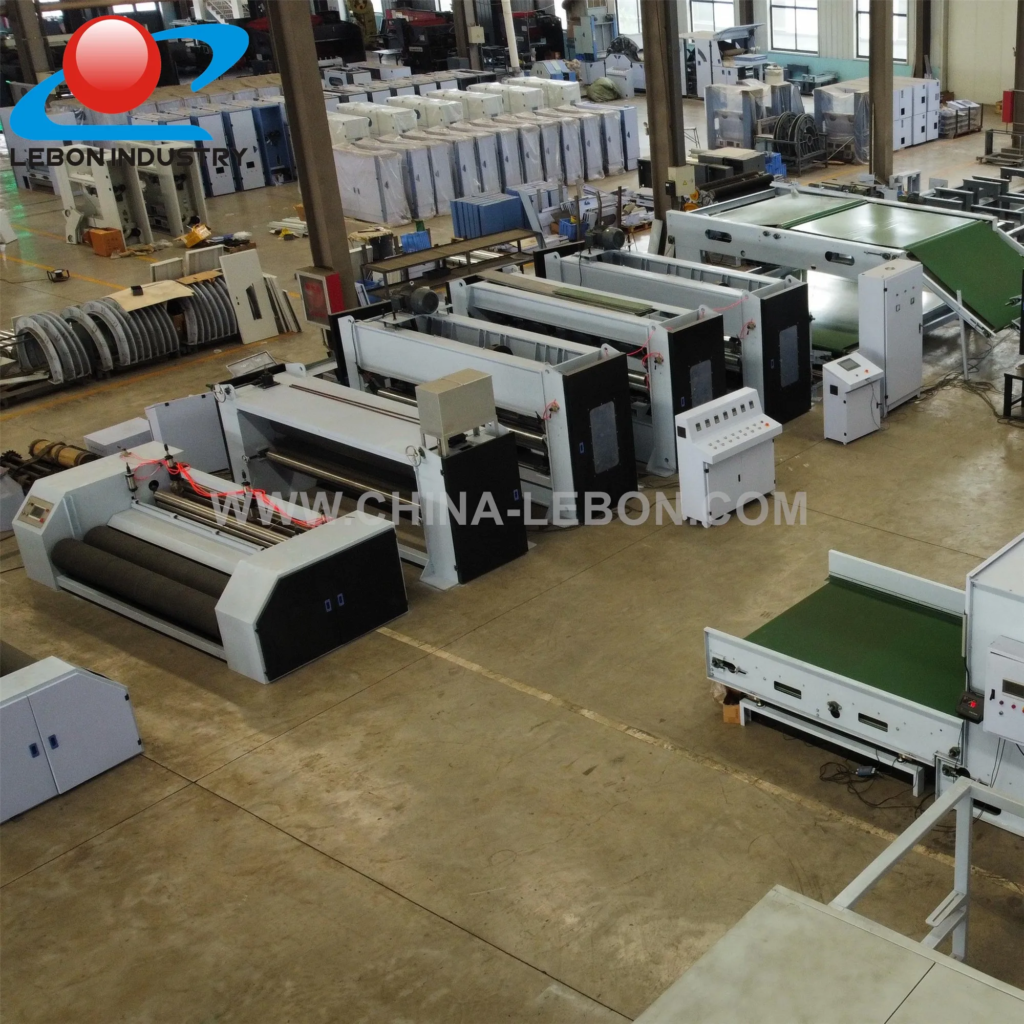
In addition to daily maintenance work, a sound regular inspection and maintenance plan should be formulated according to the use frequency, working environment and technical requirements of the equipment, so as to realize the preventive maintenance of the equipment.
1. Daily inspection: Completed by the operator before starting the machine and during operation, mainly including checking the neatness, cleanliness, lubrication status and safety performance of the equipment, and recording the inspection results.
2. Weekly maintenance: Completed by maintenance personnel and operators together, including comprehensively cleaning the equipment, checking the wear status of key parts, replacing deteriorated lubricating oil, adjusting the tension of belts and chains, and tightening loose fasteners.
3. Monthly maintenance: Conduct in-depth inspection and maintenance of the equipment, including disassembling and cleaning key components such as bearings and gears, inspecting the wear of the die head and roller, calibrating the precision of the equipment, and comprehensively inspecting the electrical system and hydraulic system.
4. Annual maintenance: Conduct a comprehensive overhaul of the equipment, including replacing worn parts that are close to the service life, overhauling the main engine and auxiliary equipment, testing the performance of the equipment, and ensuring that the equipment is in good technical condition.
VI. Notes for Maintenance
1. When carrying out equipment maintenance, the power supply must be cut off first, and a warning sign of “under maintenance, no power on” should be hung to prevent misoperation by others.
2. Maintenance personnel must be familiar with the structure, working principle and operation procedures of the equipment, and use professional tools and materials for maintenance.
3. All maintenance work should be recorded in detail, including maintenance time, content, replaced parts, fault phenomena and handling results, so as to facilitate subsequent traceability and summary.
4. The storage of lubricating oil, cleaning agents and other maintenance materials should comply with safety regulations, be stored separately from flammable and explosive materials, and be kept away from fire sources.