

As manufacturers of both Needle punching and Thermal Bondind Oven production lines, we’re breaking down these two powerful methods for you!
The Heavy-Duty Builder: Needle Punching Technology
Imagine thousands of barbed needles repeatedly punching through a web of fibers, mechanically entangling and locking them together. That’s the core of needlepunching!
How it works: Fibers are fed, carded into a web, and then fed through a needleloom. The barbed needles push the top-layer fibers vertically through the web, creating a strong, felt-like fabric.
Why it’s great: Creates incredibly durable, dense, and porous fabrics.
What it’s used for: Automotive carpeting, synthetic leather base, geotextiles, floor mats, and insulation.

The Soft Touch Specialist: Thermal Bond Technology
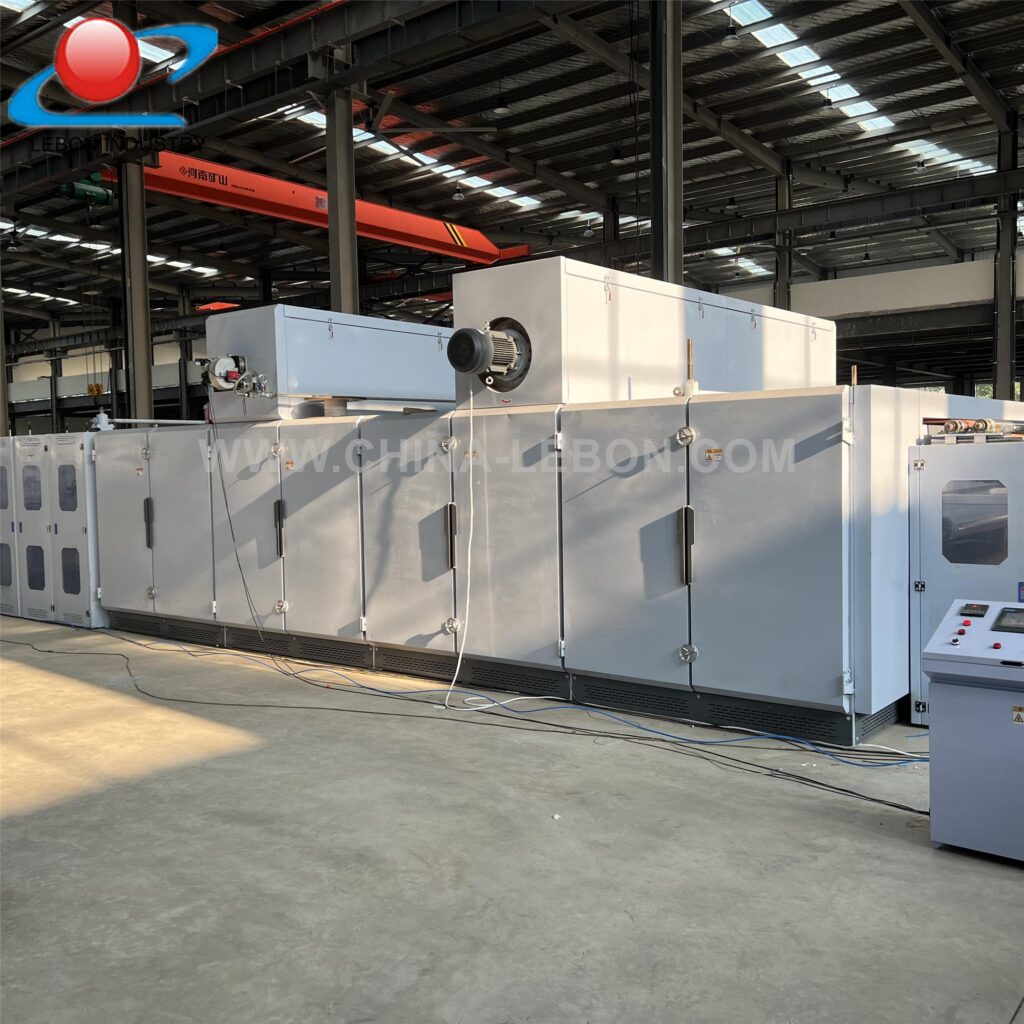
This method uses heat, not force, to create soft, bulky, and chemical-free fabrics. It’s the go-to for hygiene and filtration products.
How it works: A web of fibers is created, typically containing a portion of low-melt fibers. When this web passes through a hot air oven, the low-melt fibers melt and fuse with the surrounding fibers at their crosspoints, acting as a built-in “glue.”
Why it’s great: Produces soft, lightweight, highly absorbent, and binder-free fabrics. It’s a clean and efficient process.
What it’s used for: Baby wipes, facial masks, feminine hygiene products, mattress, quilt wadding, filters, and medical padding.
The Takeaway:
Choose Needle punching for DURABILITY and STRUCTURAL INTEGRITY.
Choose Thermal Bonding for SOFTNESS, ABSORBENCY, and PURITY.
Behind every great nonwoven fabric is a precisely engineered production line. From the opening and carding feeders to the final winding, each stage must be perfectly synchronized.
