Introduction: Transforming Diverse Fibers into Durable Nonwoven Felt
Introduction: Transforming Diverse Fibers into Durable Nonwoven Felt
The modern textile industry excels at giving new life to various materials, and at the heart of this capability is the versatile needle punching production line. This integrated system specializes in converting a wide range of fibrous inputs—from virgin sheep wool to recycled textile waste like old clothes, rags, and yarn scraps—into dense, durable nonwoven fabrics known as felt. Unlike woven textiles, felt is created through mechanical entanglement, a process that bonds fibers into a solid, uniform sheet. This guide will walk through each stage of this fascinating process, highlighting the specialized machinery that makes it possible and the diverse applications of the final product.
Stage 1: Raw Material Preparation and Blending
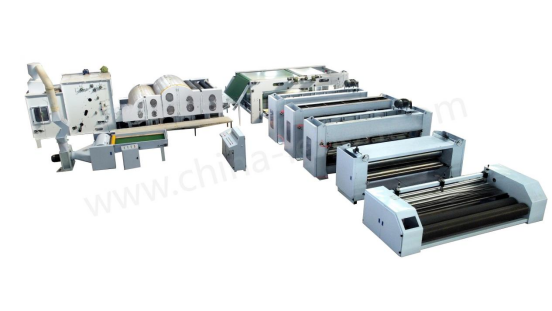
The journey begins with preparing the often-varied raw materials. A Five Mix Roller and a Large Chamber Mixer work in tandem to achieve a homogeneous blend, which is critical for consistent felt quality. This is especially important when processing recycled materials like textile waste or rags, which may have different fiber compositions, colors, or textures. The Opening Machinethen takes over, teasing apart compressed bales or clumped waste to loosen the fibers and begin the cleaning process, removing some dust and impurities. An automated Feeding Machin eensures a steady, controlled flow of this prepared material into the next critical stage, maintaining production consistency.


Stage 2: Web Formation: From Loose Fibers to Uniform Sheet
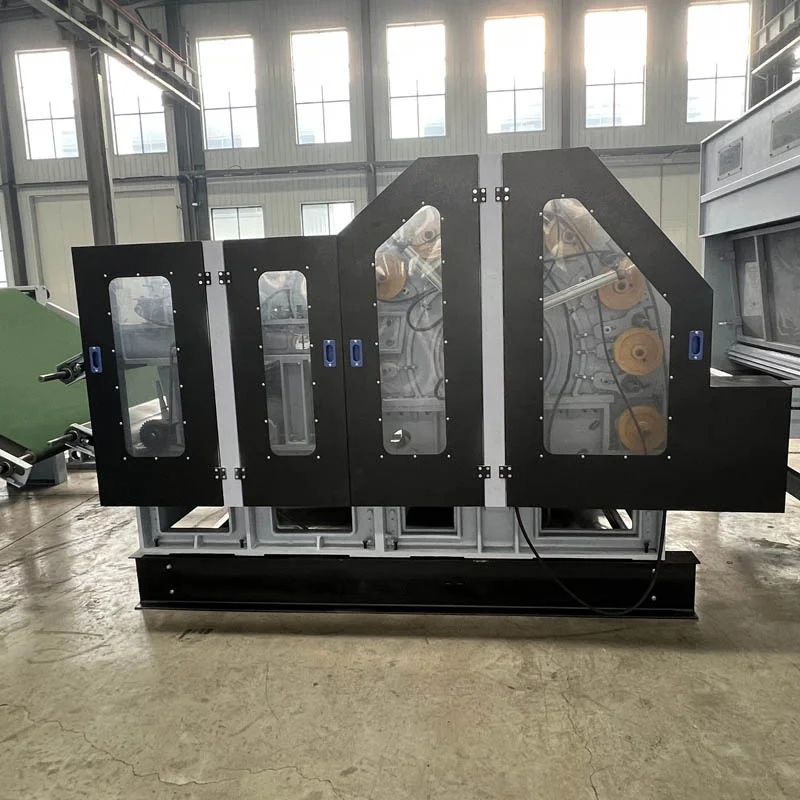
The loosened fibers are then transferred to the Carding Machine. This is a pivotal stage where fibers are individually aligned and formed into a delicate, web-like structure. The carding process determines the web’s uniformity and orientation, which directly impacts the strength and appearance of the final felt. Following carding, the Cross Lapper receives this thin web. Its function is to meticulously fold and layer the web back and forth upon itself, building up the desired weight and width. This cross-lapping action creates a lofty, uniform batt with consistent thickness—the precursor to the final dense fabric.

Stage 3: The Heart of the Process: Mechanical Bonding via Needle Punching
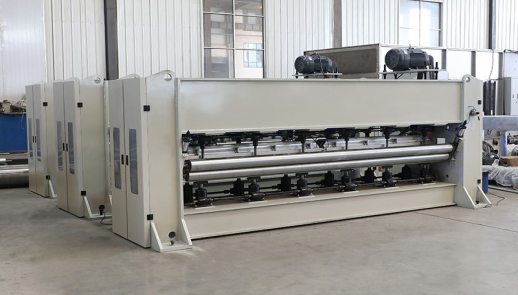
This layered batt then enters the core of the needle punching production line: the Needle Punching Machine. Here, thousands of barbed needles punch vertically through the batt at high speed. As they penetrate and retract, the barbs catch individual fibers, dragging them from the top layers down through the batt. This mechanical action, repeated thousands of times per minute, thoroughly entangles the fibers, transforming the loose batt into a coherent, strong fabric. The density, thickness, and strength of the felt can be precisely controlled by adjusting needle penetration depth, punch density, and machine speed.
Stage 4: Finishing, Cutting, and Final Products
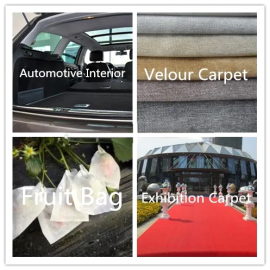
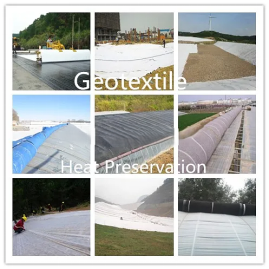
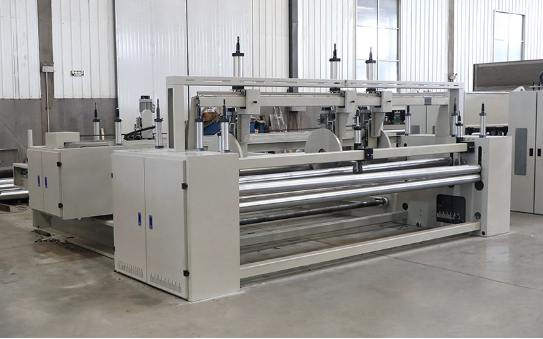
The newly formed felt exits the needle loom and proceeds to the Winder & Cutting Machine. This unit precisely trims the edges to the required width and then winds the continuous length of felt into large, manageable rolls. For some applications, it can also cut the material into specific sheet sizes. The output of this versatile needle punching production line includes a variety of industrial and consumer felts. Common products are Wool Felt for craft and polishing applications, durable Green house Felt for horticulture and insulation, and soft Nonwoven Blankets. The line’s ability to utilize recycled content makes it a cornerstone of sustainable textile manufacturing.
Conclusion: Delivering Customized Solutions for Diverse Felt Production
In summary, a modernneedle punching production linerepresents a highly adaptable and efficient system for transforming a vast array of fibrous materials—from natural wool to recycled textiles—into valuable nonwoven felts. By seamlessly integrating specialized machinery for blending, carding, cross-lapping, and mechanical bonding, it creates durable products likeWool FeltandGreenhouse Felt. The true strength of this technology lies in its flexibility.We can customize a complete nonwoven solution tailored to your specific raw material, target fabric weight (GSM), and required production output.From initial design to final commissioning, our expertise ensures your production line is optimized for your unique application and business goals.