
From Fiber to Nonwoven Fabric The Core Power of the Needle-Punching Process
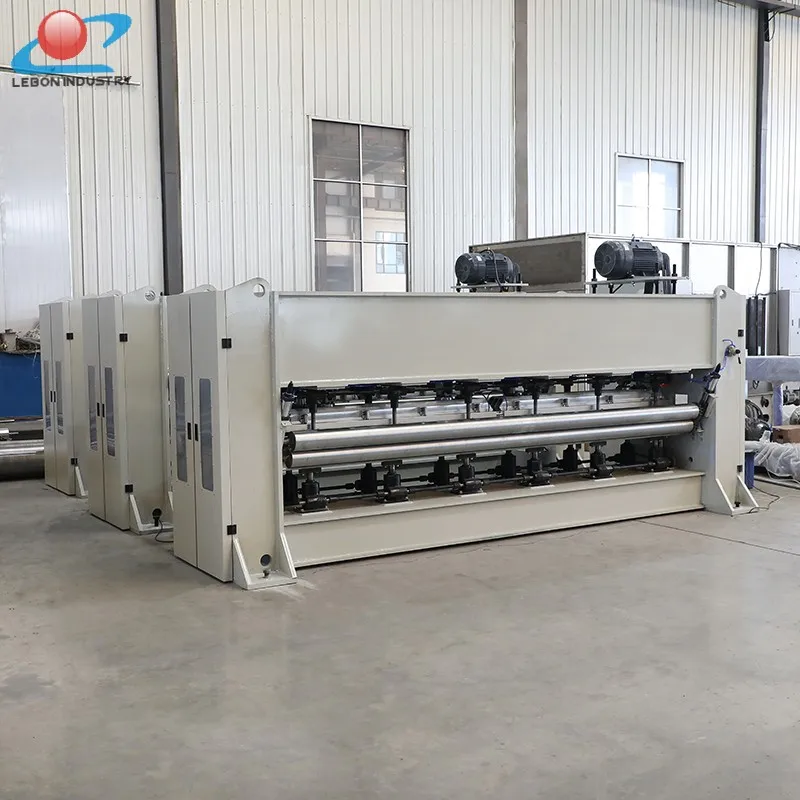
Needle-punched nonwoven fabric is one of the most widely applied products in the textile industry; fields such as automotive interiors, geotextiles, filtration materials, and synthetic leather all rely heavily on its presence. The needle-punching production line serves as the core machinery that transforms “fiber into nonwoven fabric.” Today, we invite you to step into the world of needle-punching production lines to explore their working principles and core value.
The Influence of Card WireCloth Properties on Neps and Short Linters
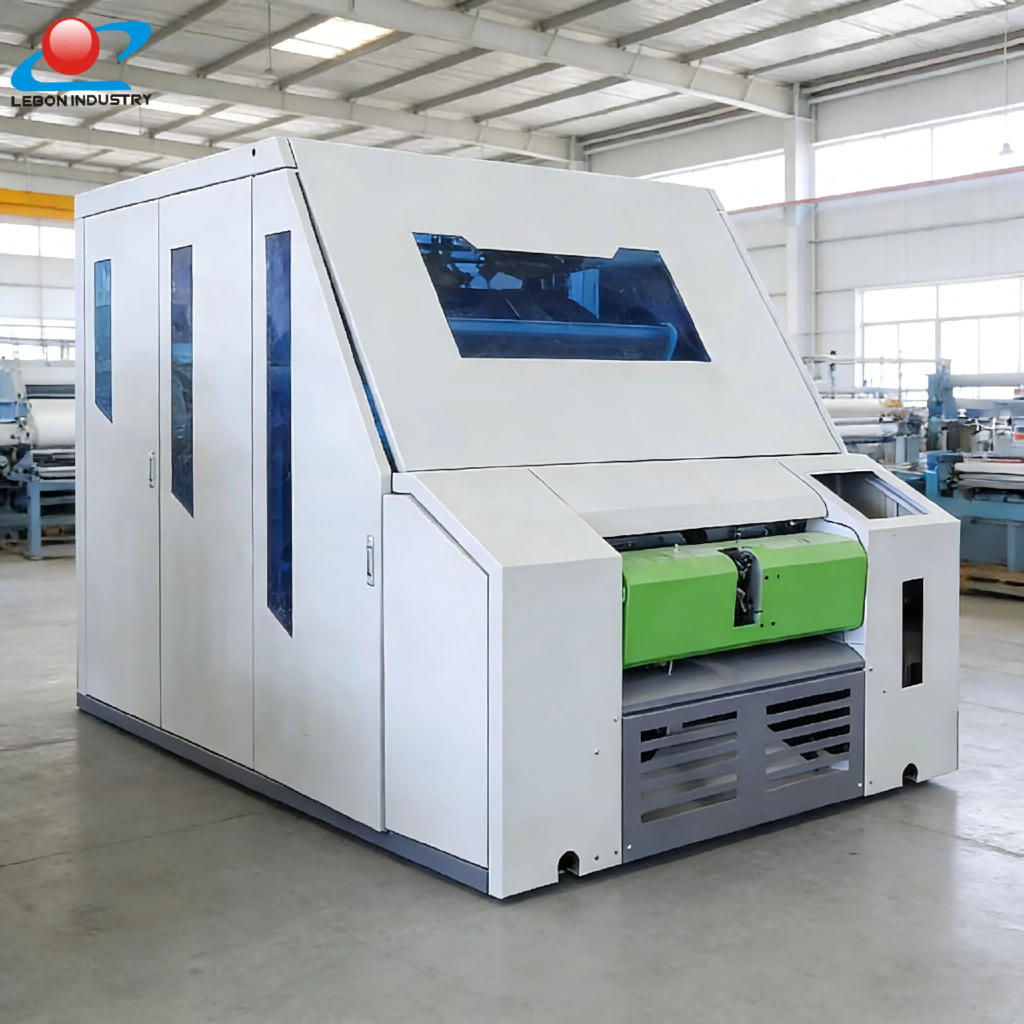
The carding process targets the fiber layer (licker-in carding), fiber bundles (flat carding), and pseudo-neps within the fibers (cylinder and flat carding). Adjacent carding teeth in a carding machine are arranged in a crisscrossing or parallel configuration. The relative movement between the teeth occurs in different directions, interacting and generating impact, friction, and carding forces on the fibers. These forces penetrate and break down the fiber bundles into individual fibers, dissolving neps. Excessive or insufficient force will affect the carding teeth’s ability to grasp, card, release, and transfer fibers, leading to an increase in short linters and neps.
The function and characteristics of cotton carding machine
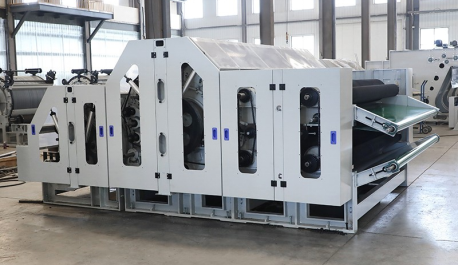
The carding machine is suitable for the opening and carding of cotton, removing loose impurities, producing cotton slivers quickly and with high quality, resulting in a clean and knot-free cotton batting. It can process cotton, chemical fibers, etc. In terms of process, structure, and cotton output quality, the carding machine surpasses the carding standards of fine cotton carding machines.
How do chemical spray-bondedwadding production lineproduce high-quality chemical spray-bonded wadding ?
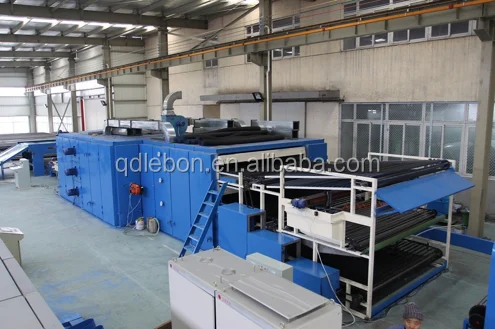
Chemical spray-bonded wadding currently occupies a significant share of the thermal insulation cotton filling market, especially the imitation silk cotton derived from chemical spray-bonded wadding, which is popular among many garment manufacturers. So, what is chemical spray-bonded wadding, what equipment is needed for a chemical spray-bonded wadding production line, and how can the quality of chemical spray-bonded wadding be ensured?
Focus on Core Process: Efficient and Precise Automatic Forming Equipment for Absorbent Cotton Rolls
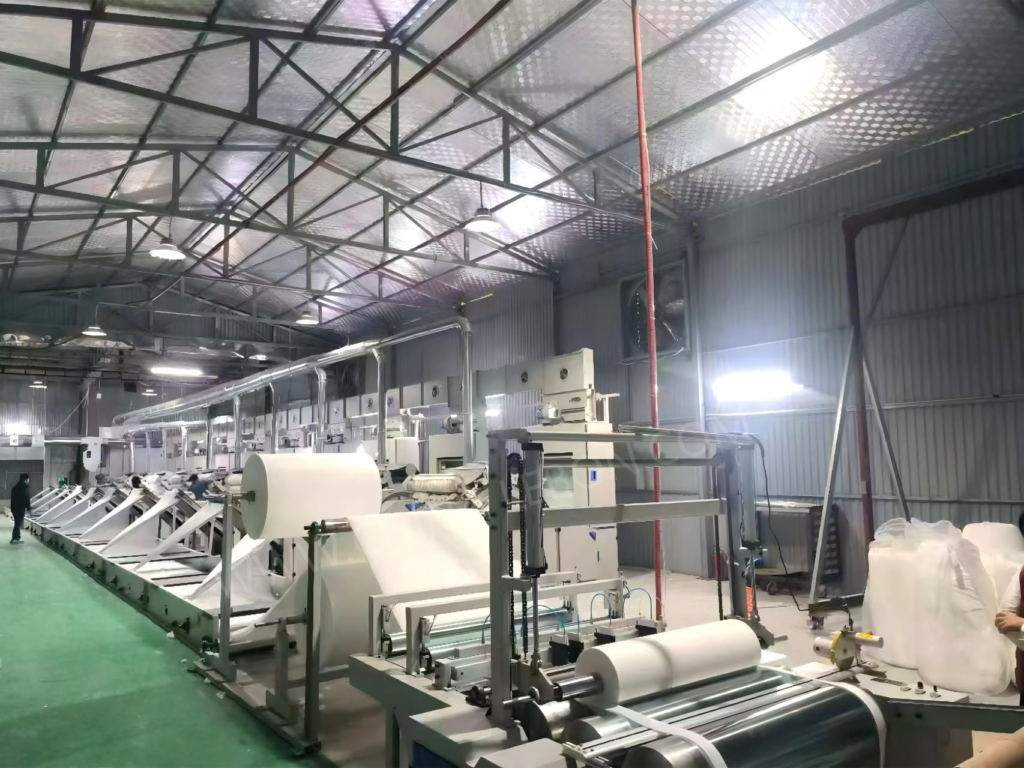
In the field of medical care, absorbent cotton rolls are a fundamental and indispensable consumable. Their fluffiness, absorbency, and fiber integrity directly impact their performance. The core of the production process lies in efficiently and consistently transforming high-quality absorbent cotton fiber into finished rolls with precise specifications and neat appearance. As a specialized manufacturer of medical material forming equipment, we focus on providing fully automatic, high-precision production lines for converting absorbent cotton fiber into finished rolls.
Deep Dive: The Core Components of a Modern Needle Punching Nonwoven Line
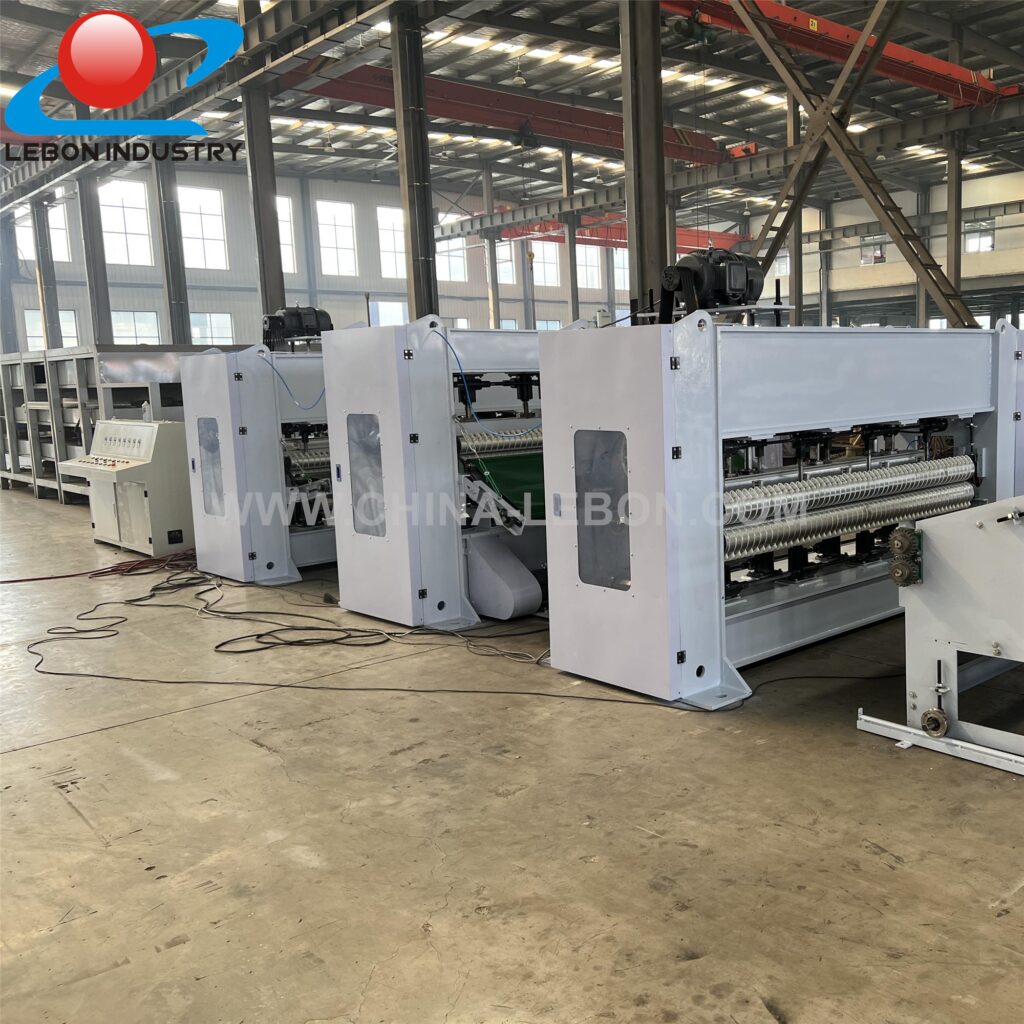
Following our overview of nonwoven technologies, this article provides a technical dissection of a modern needle punching production line. For manufacturers and engineers, understanding these core components is key to optimizing output and product quality.
A Practical Guide to Machinery Maintenance in the Textile Industry
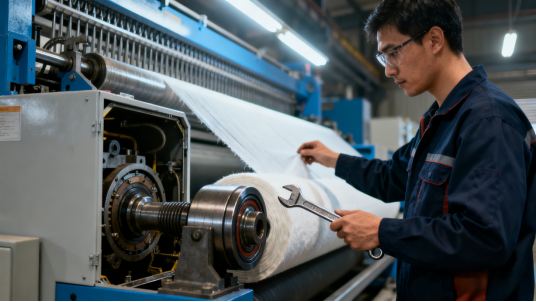
In the textile manufacturing sector, effective machinery maintenance is critical for ensuring operational efficiency, product quality, and long-term equipment reliability. Whether you operate nonwoven production lines, spinning machinery, or coir processing systems, a structured maintenance approach minimizes downtime and extends machine life. This guide covers key maintenance types, essential tools, and best practices to keep […]