Introduction: Choosing the Right Bonding Method
In nonwoven manufacturing, bonding turns loose fibers into a strong fabric. Two common methods are thermal bonding and chemical bonding. Each has distinct advantages. However, their costs differ significantly. Many manufacturers choose chemical bonding because it seems simpler. But thermal bonding often delivers lower long-term expenses. This article compares both processes across several cost factors. By the end, you will know which method saves more money for your nonwoven production line.
What Is Thermal Bonding?
Thermal bonding uses heat to melt and fuse fibers together. The process typically involves calender rollers or a hot air oven. One common technique is through-air bonding (TAB) . Another is hot calender bonding. In thermal bonding, the fiber web contains bicomponent fibers or low-melt additives. When heated, these components melt at fiber cross-points. As they cool, they solidify and lock the web structure. Therefore, no additional adhesives or chemicals are required. The result is a soft, clean fabric.

What Is Chemical Bonding?
Chemical bonding uses liquid adhesives or latex binders to stick fibers together. The process begins with web formation. Then, the web passes through a saturator or spray system. Here, binders are applied. Next, the web goes through a drying oven to cure the chemicals. As the water evaporates, the binder hardens and bonds the fibers. Chemical bonding works with many fiber types. However, it requires extra equipment for mixing, applying, and drying the binder.
Cost Factor 1: Energy Consumption
Thermal bonding uses heat to melt fibers. The temperature needed is typically 130°C to 180°C, depending on the polymer. The process is direct and efficient. Modern calender rollers maintain consistent temperature with minimal heat loss.
Chemical bonding requires two energy-intensive steps. First, you must heat the binder solution. Second, you must run a large drying oven to remove water and cure the binder. Drying consumes significantly more energy than melting. Consequently, chemical bonding often uses 30-50% more energy per kilogram of fabric.
Winner: Thermal bonding saves on energy costs.
Cost Factor 2: Raw Material Expenses
Thermal bonding requires special fibers. Bicomponent fibers (like PP/PE or PET/CoPET) cost more than standard fibers. However, you need only these fibers. No additional binders are required.
Chemical bonding uses standard fibers, which are cheaper. But you must purchase liquid binders, which add 10-25% to raw material costs. Additionally, you need water for dilution. The binder does not fully remain in the fabric; some is lost during drying. Therefore, chemical bonding often has higher total raw material expenses.
Winner: Thermal bonding usually wins, especially for high-volume production.
Cost Factor 3: Production Speed and Efficiency
Thermal bonding lines run fast. A calender bonding system can operate at 100-200 m/min or more. The bonding happens instantly as the web passes through heated rollers. There is no drying time. Consequently, output per hour is high.
Chemical bonding runs slower due to the drying stage. Saturation and drying limit line speed to 30-80 m/min. Moreover, the drying oven requires long residence time. This reduces overall production output for the same floor space.
Winner: Thermal bonding delivers higher throughput, lowering cost per meter.
Cost Factor 4: Product Quality and Softness
Thermal bonding produces very soft fabrics. There are no chemical residues on the fiber surface. The fabric feels clean and dry. This makes thermal bonding ideal for hygiene products like diaper topsheets and sanitary napkin covers.
Chemical bonding often results in stiffer fabrics. The binder coats fibers, creating a harsh hand feel. For some industrial applications, stiffness is acceptable. But for consumer goods, chemical bonding is less desirable. However, chemical bonding can produce stronger fabrics for certain uses.
Winner: Thermal bonding for softness-sensitive applications.
Cost Factor 5: Environmental Compliance and Waste Disposal
Thermal bonding uses no chemicals. Therefore, there are no volatile organic compounds (VOCs) or hazardous air emissions. Waste fabric is recyclable. No wastewater treatment is needed. Compliance with environmental regulations is straightforward.
Chemical bonding involves handling liquid binders. Some binders contain VOCs or formaldehyde. You must manage spills and dispose of chemical containers. Wastewater from cleaning equipment requires treatment. In many regions, environmental permits are more expensive for chemical bonding lines. As regulations tighten, compliance costs rise.
Winner: Thermal bonding is clearly more eco-friendly and lower risk.
Side-by-Side Comparison Summary
| Cost Factor | Thermal Bonding | Chemical Bonding |
| Energy consumption | Lower | 30-50% higher |
| Raw material cost | Higher for fibers | Lower fibers + binder cost |
| Production speed | 100-200 m/min | 30-80 m/min |
| Softness | Excellent | Often stiff |
| Environmental compliance | Simple | Complex and costly |
| Overall cost per kg | Generally lower | Generally higher |
When Chemical Bonding Still Makes Sense
Despite higher operating costs, chemical bonding has its place. It works well for very heavy fabrics where thermal bonding cannot penetrate. It also handles fibers that do not melt easily, such as cotton or rayon. For specialty products like abrasive backings or filter media, chemical bonding provides superior durability. Therefore, evaluate your specific product requirements before deciding.
Conclusion: Thermal Bonding Saves More Money for Most Applications
For the majority of nonwoven producers, thermal bonding delivers lower total costs. It saves energy, reduces raw material expenses, and runs faster. Additionally, it offers better softness and simpler environmental compliance. The initial investment for a thermal bonding line may be similar to a chemical line. However, the long-term savings quickly justify the choice. If you produce hygiene products, medical fabrics, or lightweight wipes, thermal bonding is the clear winner.
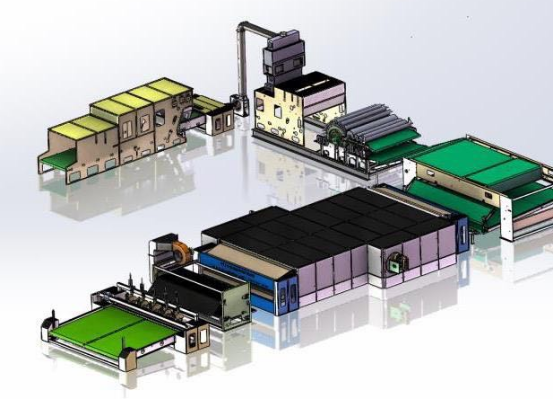
We manufacture advanced thermal bonding lines, including calender bonding and through-air bonding systems. Our equipment is designed for energy efficiency, high speed, and easy operation. Contact us to discuss which bonding technology fits your product and budget.
Ready to lower your nonwoven production costs? Request a free cost comparison analysis for your specific fabric.