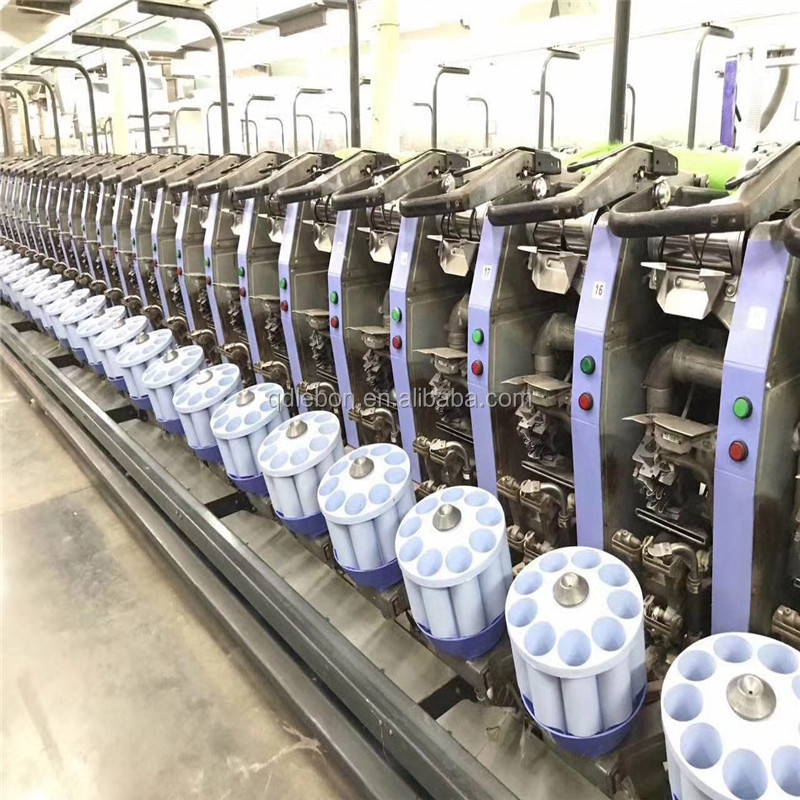
Winding is the final process of yarn spinning and the initial preparation stage for weaving, serving as a critical connecting link between spinning and weaving. Its operating stability directly affects yarn quality, weaving efficiency and overall production consistency in textile manufacturing. To minimize downtime and ensure stable production, enterprises must accurately identify typical cone winder faults, locate root causes, and apply targeted troubleshooting and maintenance solutions.
1. Yarn Tube Magazine Fails to Rotate
During normal winding operation, the yarn detection sensor sends a replacement signal once the yarn tube is fully unwound. The driving mechanism then pushes the spindle base to eject the empty tube, and the stepper motor drives the ratchet linkage to rotate the magazine by a fixed angle for automatic full-tube replacement.
The most common cause of magazine rotation failure is accumulated lint and waste yarn jamming the ratchet and pawl mechanism, which blocks transmission and stops indexing rotation.
Solution & Prevention: Dismantle the related transmission parts and thoroughly clean all embedded fly waste and lint. Weekly compressed air cleaning of the ratchet assembly can effectively prevent recurring jamming faults.
2. Frequent False Tube Ejection
Frequent and abnormal tube ejection by the tube changing mechanism is mainly caused by dirt, fly or dust covering the surface of the intermediate yarn detection unit. Contamination leads to inaccurate signal judgment and false empty-tube detection, triggering continuous misoperation.
Solution & Prevention: Wipe the sensor detection surface clean to restore normal sensing accuracy. Regular surface cleaning is the most effective measure to avoid false ejection faults.
3. Dull Cutting Blade Failure
Worn and dull cutting blades cannot completely sever yarn ends. Uncut yarn may fold at the fixed suction nozzle and form double yarn sections, which will be repeatedly identified and cut by the yarn clearer. This abnormal cycle seriously disrupts continuous production and increases energy consumption.
Solution & Maintenance: Replace the dull blade assembly with a new set during routine maintenance. Worn blades do not need to be discarded and can be sent to the mechanical workshop for sharpening and reuse to reduce spare part costs.
4. Tension Device Malfunction
The yarn tension device consists of a fixed disc and a movable pressure disc, which relies on disc compression to provide stable winding tension. The movable pressure disc supports axial movement and fine oscillation during operation.
When waste yarn or lint wraps around the pressure disc, flexible movement is restricted, resulting in unstable yarn tension, uneven winding density and frequent yarn breakage.
Solution: Disassemble the tension unit following standard maintenance procedures, and completely remove tangled waste yarn and debris to restore flexible disc movement and consistent tension control.
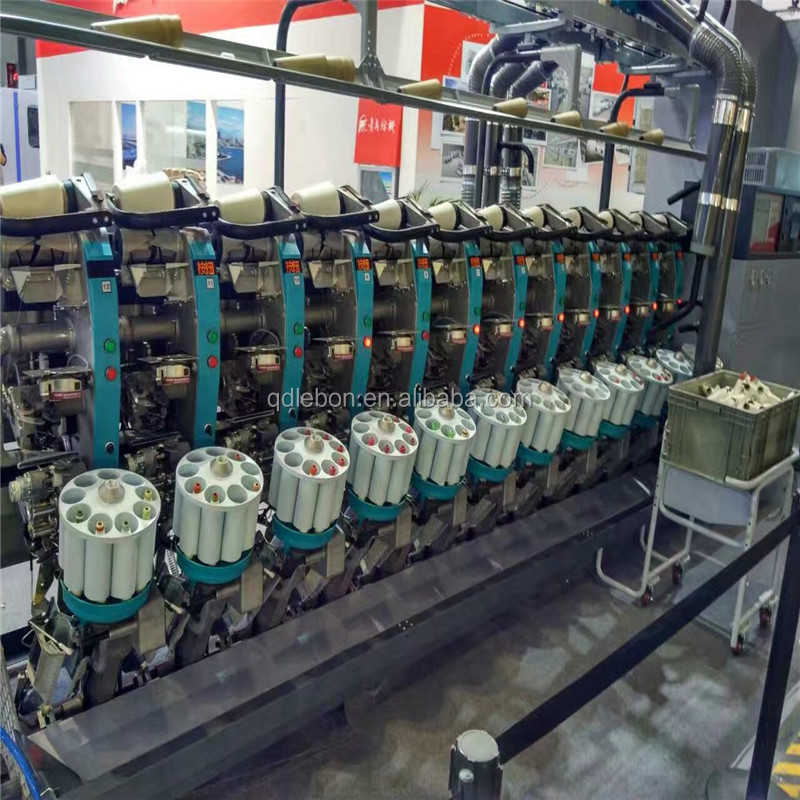
5. Large Suction Nozzle Air Leakage
Air leakage at the large suction nozzle causes energy waste and insufficient air pressure for other functional components, seriously affecting yarn cleaning and end-suction stability.
Leakage Detection Method: Place yarn near the nozzle in its home position; if the yarn is sucked in, the nozzle has an air leakage fault.
Air suction is controlled by an energy-saving damper flap. Lint and dust accumulation often prevents the flap from fully closing, causing persistent air leakage.
Solution: Remove the air damper assembly, clean all internal dust and fly waste, dismantle the flap actuating cylinder piston, and apply special sealing grease for lubrication and tight sealing. After reassembly, verify repair effectiveness with the yarn suction test.
6. Poor or Failed Yarn Splicing
Unqualified splicing and splicing failure are common winding defects mainly caused by three types of abnormal conditions:
1. Unreasonable splicing parameters or improper process setting;
2. Misaligned yarn guide rod position, preventing yarn from entering the splicer normally;
3. Splicer body failure, including insufficient lubrication leading to sluggish movement, seal air leakage, or damaged splicing cover.
Solutions: Adjust and optimize splicing parameters and verify with trial operation; loosen and recalibrate the yarn guide rod position to ensure accurate yarn feeding; perform targeted maintenance on the splicer, including refueling moving parts, replacing damaged seals and repairing defective components.
7. Yarn Clearer Misoperation
Electronic yarn clearers are core components that guarantee finished yarn quality, mainly divided into photoelectric and capacitive types. Taking the Loepfe TK830 capacitive yarn clearer as an example: normal mechanical fluctuation of raw cop yarn will trigger fixed-cycle cutting after several drum rotations, which belongs to standard working logic and can be solved by replacing raw yarn batches.
If the yarn clearer cuts yarn frequently without rules and forces production shutdown, it indicates equipment malfunction.
Troubleshooting: Reset the yarn clearer at least twice. If abnormal cutting persists, the internal electronic components are damaged, and professional electrician maintenance is required.
8. Stiff Rotation of Package Holder Arm Chucks
The large and small chucks on the package holder arm operate at high speed, close to the winding drum speed. Long-term operation easily causes bearing wear, resulting in stiff rotation, ununiform package winding and system alarm shutdown.
Solution: Remove the worn bearings and install new replacements to restore smooth chuck rotation and stable winding quality.
Conclusion
Most cone winder faults stem from daily dust accumulation, part wear, parameter deviation and improper maintenance. Timely troubleshooting, regular component cleaning, standardized lubrication and periodic inspection can effectively reduce failure rates, stabilize winding quality and improve the overall operating efficiency of automatic winding production lines.