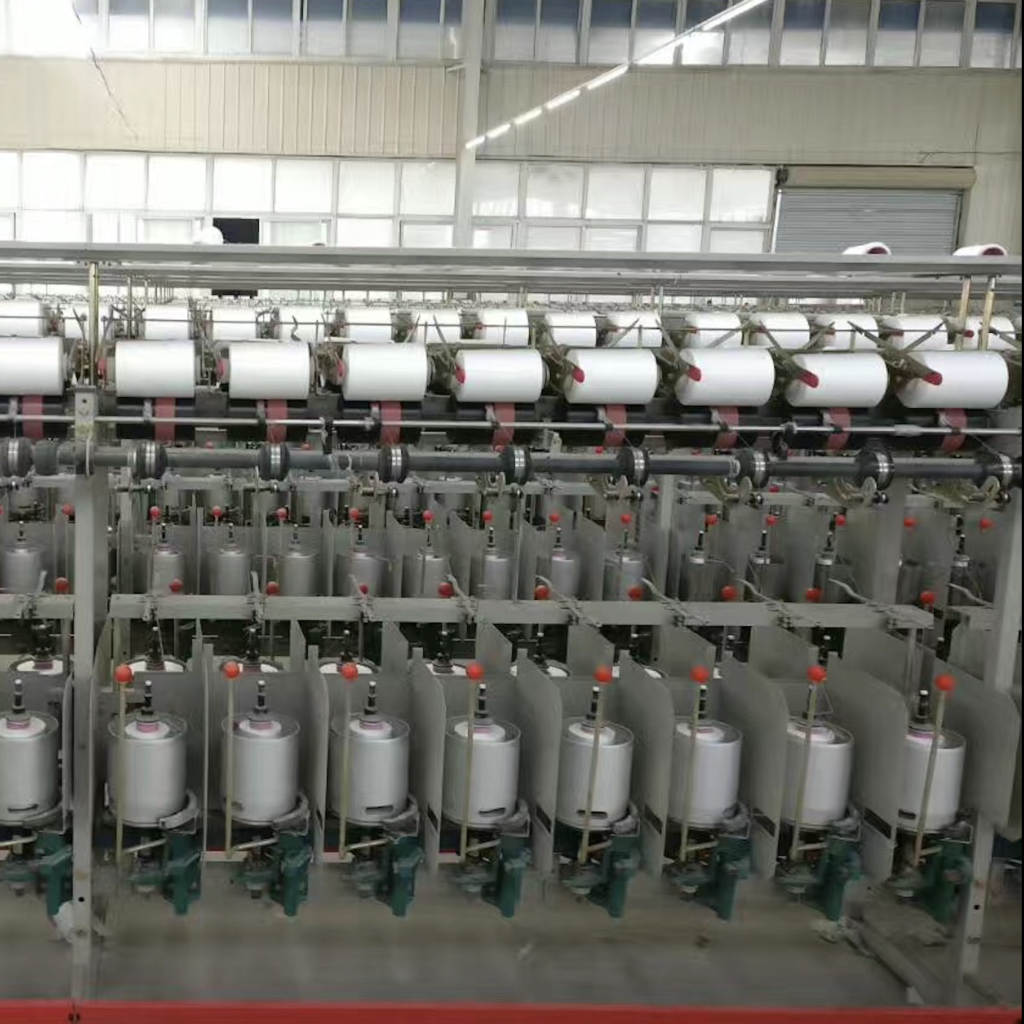
Yarn hairiness refers to the cumulative count of protruding fibers—exceeding a specific projected length (vertical distance)—observed on one side of a single-sided planar view of a unit length of yarn. The standard unit for this metric is strands per 10 meters (strands/10 m); the numerical value of this indicator is influenced by factors such as the test length and the specified projected length.
The Impact of Yarn Hairiness
Hairiness creates a fuzzy surface texture on the yarn, thereby diminishing its surface luster. Excessive hairiness in the finished yarn can interfere with the normal sizing process and, during weaving, lead to unclear shedding (poor warp opening) and an increased frequency of yarn breakage. The quantity and distribution of yarn hairiness have a significant impact on fabric quality, as well as on the quality of subsequent dyeing and printing processes; furthermore, they contribute to issues such as pilling and fuzzing during the fabric’s end-use. In particular, hairiness exceeding 3 mm in length can severely disrupt downstream production processes, negatively affecting the appearance, handle, and performance characteristics of both the yarn and its final textile products. Consequently, yarn hairiness has emerged as a critical quality assessment metric in modern textile manufacturing.
Key Factors Influencing Yarn Hairiness
PART 1: The Impact of Raw Materials on Hairiness
The fiber length, linear density, maturity, short-fiber content, and impurity levels of raw cotton directly influence the generation of yarn hairiness: fibers exhibiting high torsional and bending stiffness, or those with finer linear densities, tend to result in higher levels of yarn hairiness; conversely, a higher impurity content in the fibers increases the probability of hairiness formation. Fibers characterized by good maturity, greater length, and superior uniformity result in finished yarns with lower hairiness levels. Therefore, during production, strict control over cotton blending quality and the utilization rate of returned waste fibers is essential to ensure the stability and consistency of raw materials.
PART 2: The Impact of Pre-spinning Processes on Yarn Hairiness
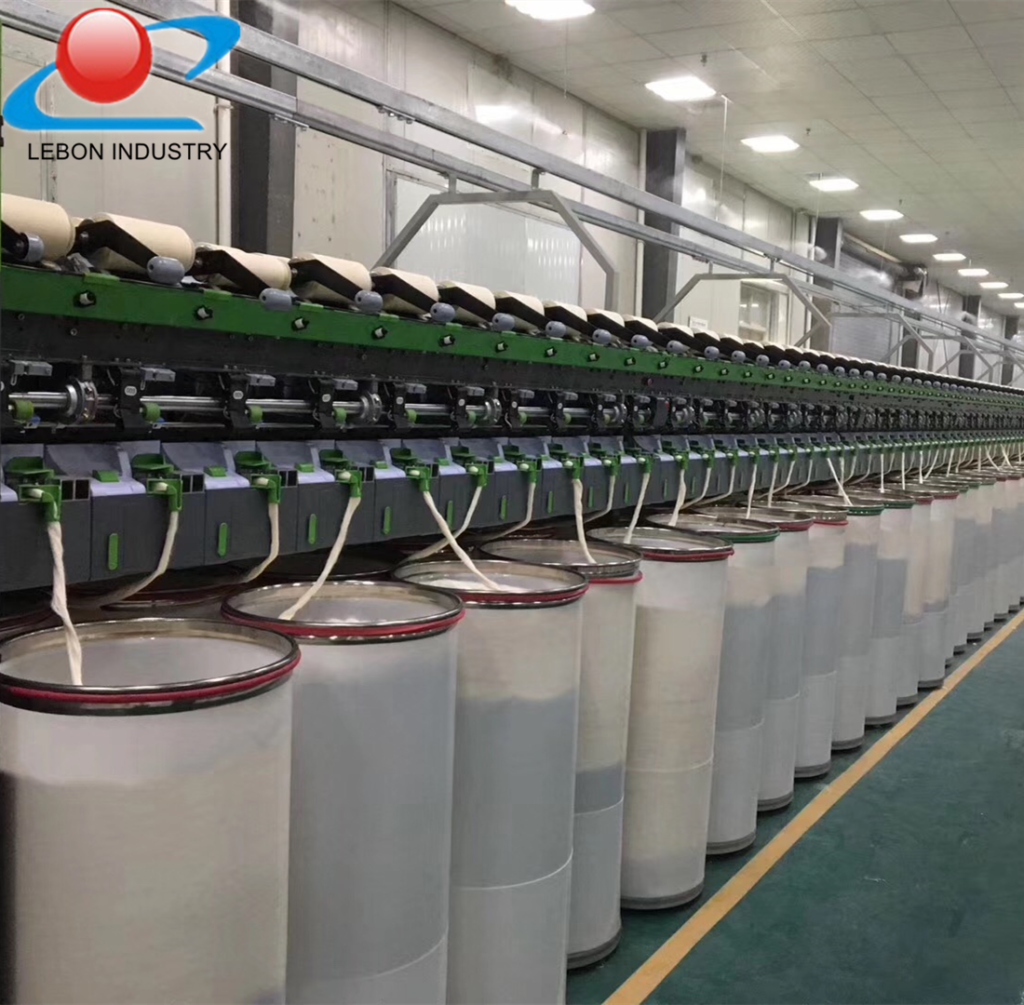
In the blow-room and carding processes (integrated cleaning and carding lines), it is imperative to ensure that machinery components are in good condition and that processing parameters are set appropriately. This helps minimize fiber abrasion and damage—thereby reducing the generation of short fibers—while simultaneously enhancing carding efficiency. In the drawing process, drafting ratios must be allocated judiciously, and the condition of trumpets and pressure bars must be maintained in optimal working order. In the roving process, the twist coefficient should be increased appropriately; additionally, the roving passage channels must be kept smooth and free of burrs, and burr-free plastic roving bobbins should be utilized to mitigate hairiness caused by static electricity.
PART 3: The Impact of Post-spinning Processes on Yarn Hairiness
The ring spinning process constitutes the pivotal stage of yarn manufacturing; consequently, the quality and condition of the specialized spinning machinery components utilized in this stage exert a profound influence on the hairiness levels of the finished yarn. The weight of the traveler directly impacts yarn hairiness. If the traveler is too heavy, spinning tension increases and the balloon size decreases; this heightens the friction between the traveler and the yarn strand, causing the yarn to rub against the top of the bobbin and generate hairiness. Simultaneously, the yarn becomes more susceptible to abrasion, which can lead to the formation of neps. Conversely, if the traveler is too light, spinning tension is reduced and the balloon becomes excessively large, causing the yarn to collide with the separator plate and generate hairiness.
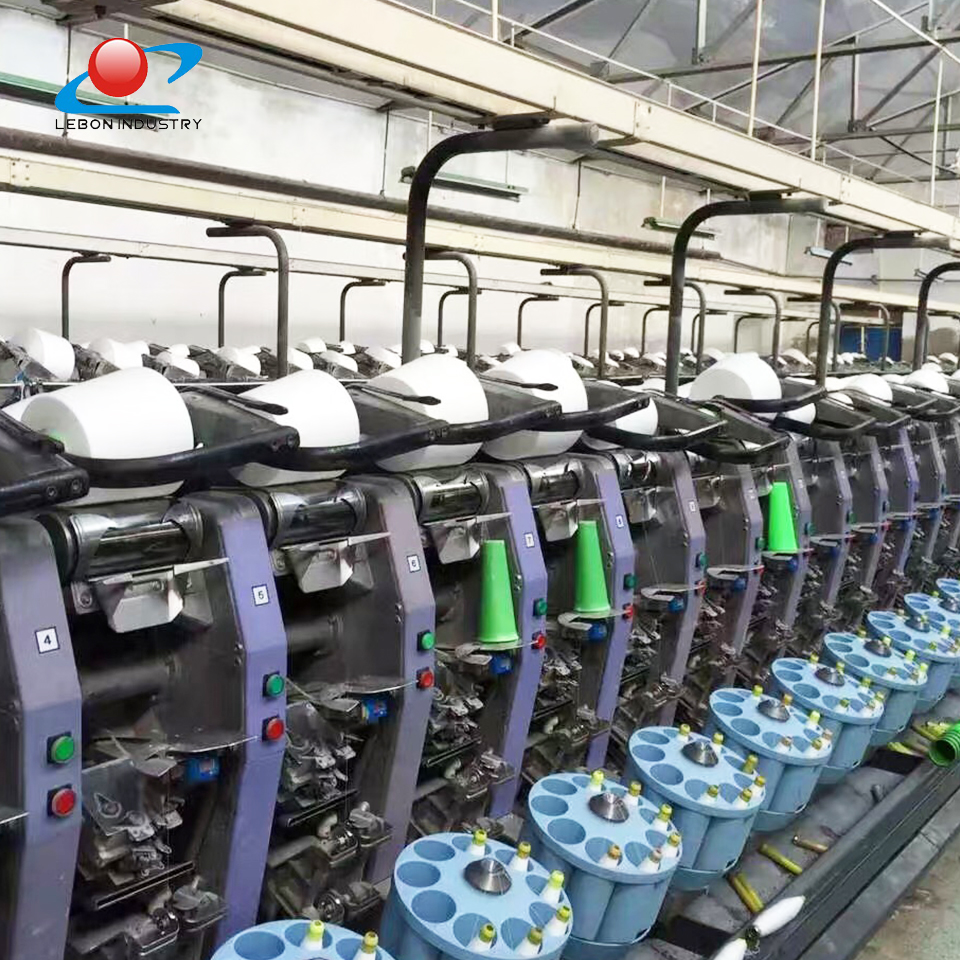
The winding process is the stage where yarn hairiness increases most significantly; this is primarily caused by friction between the various machine components and the yarn. As winding speed increases, the level of hairiness tends to rise; therefore, it is essential to select an appropriate winding speed. Furthermore, during the winding process, all components within the yarn path must be maintained in good condition and kept smooth to prevent friction and the buildup of static electricity as the yarn moves—factors that would otherwise lead to an increase in yarn hairiness.