Introduction: The Visible Sign of a Hidden Problem
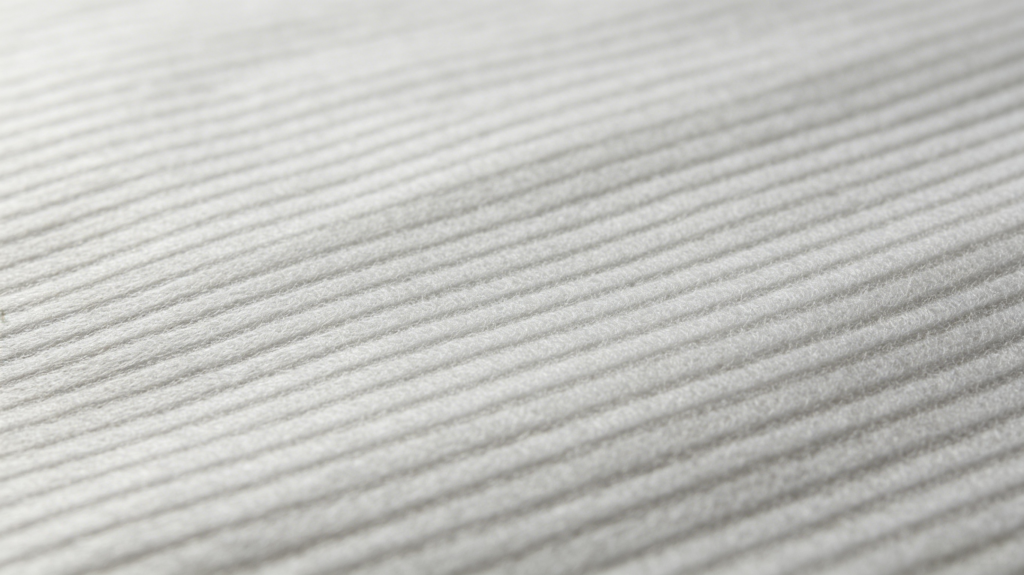
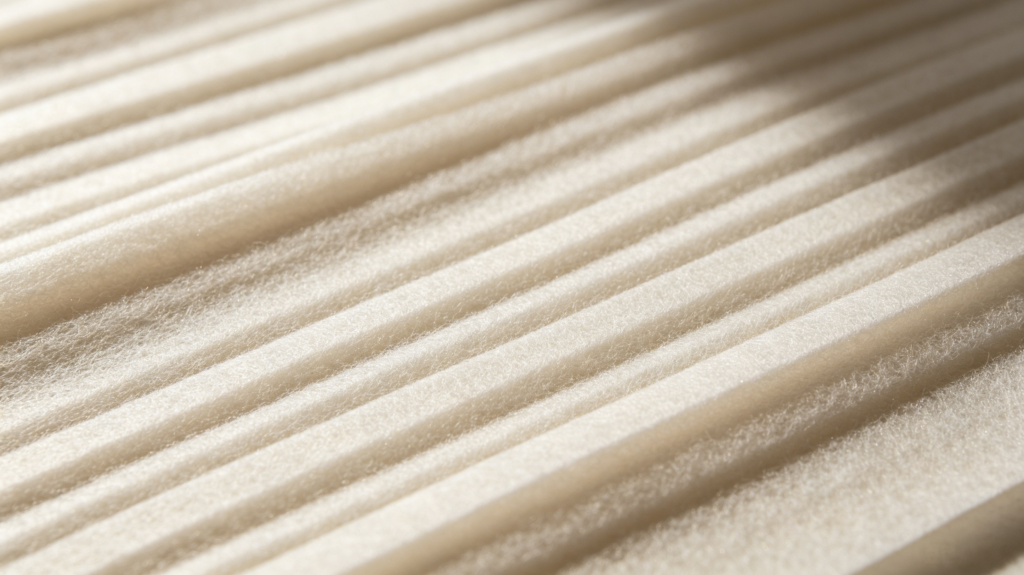
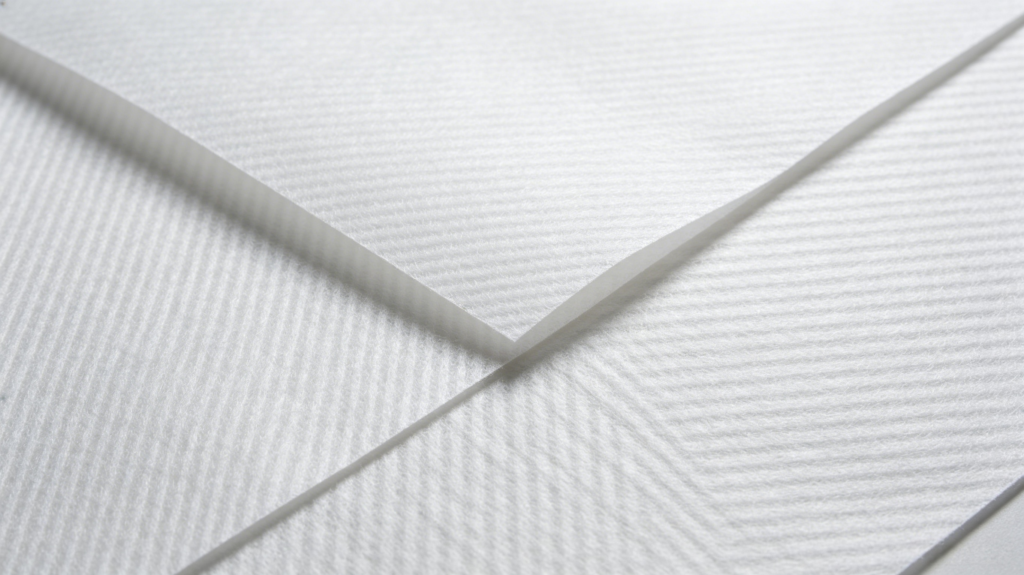
Streaks on your needle punched nonwoven fabric are more than a cosmetic issue. They are a visible warning that something is wrong with your needle punch line. These lines—whether vertical, horizontal, or diagonal—indicate uneven fiber entanglement. This directly weakens the fabric’s tear resistance and overall quality. Consequently, streaks lead to rejected batches and lost revenue. This guide explores the common causes of these defects. More importantly, it provides practical solutions to eliminate them from your nonwoven fabric.
Understanding the Types of Streaks
Before fixing the problem, you must identify the pattern. The direction of the streak often points to its root cause.
- Machine Direction (MD) Streaks: These run parallel to the fabric’s production direction. They are often the result of individual mechanical issues.
- Cross Direction (CD) Streaks: These run across the width of the fabric. They are frequently linked to the needle pattern or the machine’s settings.
- Diagonal Streaks: These run at an angle. They can be caused by a combination of factors, including the advance per stroke and the needle board configuration.
Cause 1: Worn, Bent, or Broken Needles
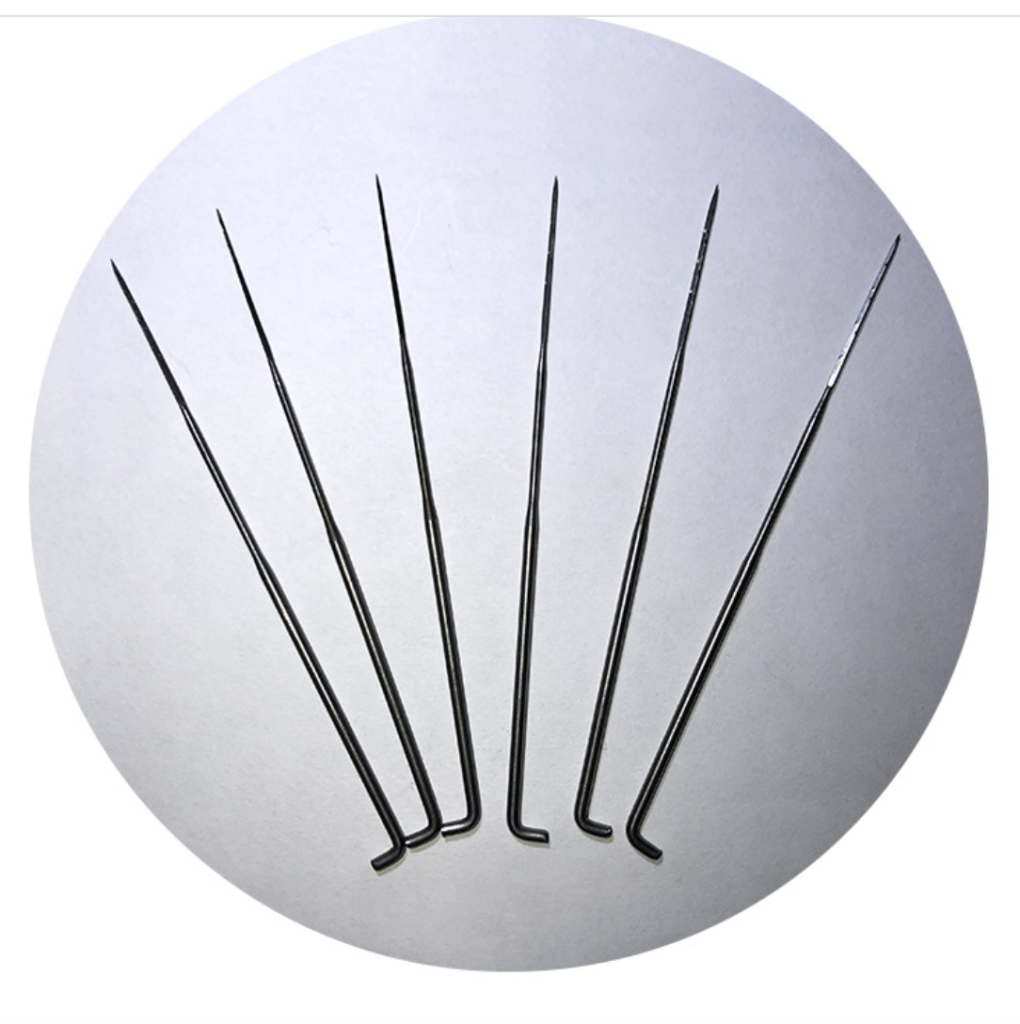
The most common cause of streaks, particularly in the machine direction, is damaged needles. Over time, the barbs on needles wear down or can bend and break. A needle that is not functioning correctly will not entangle fibers properly. This creates a weak line in the fabric that appears as a streak.
Solutions:
- Inspect and Replace: Stop the needle loom and carefully inspect the needle board. Locate the position where the streak is generated. Replace any damaged needles at that specific point.
- Full Replacement: If streaks are widespread, it may be more efficient to replace all the needles on the machine. This ensures a uniform, high-quality needling action across the entire fabric width.
- Proactive Maintenance: Implement a regular schedule for inspecting and replacing needles before they fail.
Cause 2: Poor Needle Distribution on the Board
The arrangement of needles on the board is critical. If the needles are not positioned correctly, they can create interference patterns. These patterns appear as regular, repeating lines or tracks on the fabric surface. This problem is often inherent to the board’s design.
Solutions:
- Optimize the Layout: Research shows that optimizing the needle-board configuration can minimize visual track patterns. Methods like the zigzag, hexagonal, random, and X-Y Square arrangements can produce more uniform results.
- Seek Professional Help: If the issue is with the board’s initial design from the equipment manufacturer, you will likely need their assistance. The manufacturer can replace the needle plate with a properly optimized one.
- Use Simulation Software: Modern manufacturers use specialized software to simulate the needle punch pattern. These tools can design a needle board that provides a completely even distribution of penetrations, thus avoiding stripes.
Cause 3: Incorrect Machine Settings (Advance Per Stroke)
The advance per stroke is the distance the fiber web moves forward between each punch of the needle loom. If this setting does not harmonize with the needle pitch on the board, it can create diagonal tracks. This is because the needles will repeatedly strike the web in the same relative positions, creating a patterned defect.
Solutions:
- Adjust Settings: Experiment by adjusting the advance per stroke setting. Even a small change can disrupt the resonance that creates the pattern and eliminate the streaks.
- Coordinate All Parameters: The draft, feed per stroke, and penetration density all affect the final fabric. These parameters must be coordinated for an even result.
- Use a Settings Table: Document the optimal machine settings for each product you run. This allows for quick and accurate changeovers.
Cause 4: Uneven Fiber Web Formation
The needle punching machine can only work with what it is given. If the fiber web entering the loom is uneven in thickness or density, the final fabric will show these inconsistencies as streaks. An unstable web structure can lead to an inconsistent surface appearance.
Solutions:
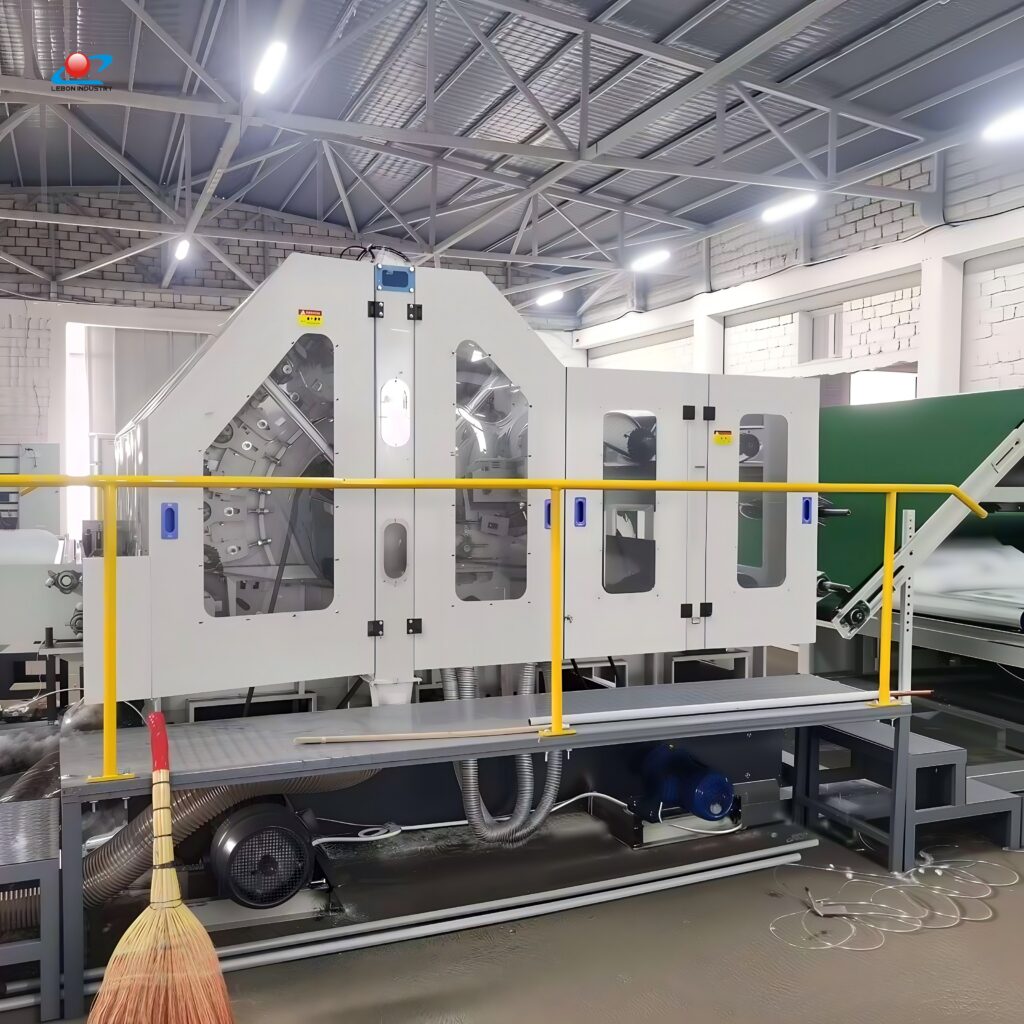
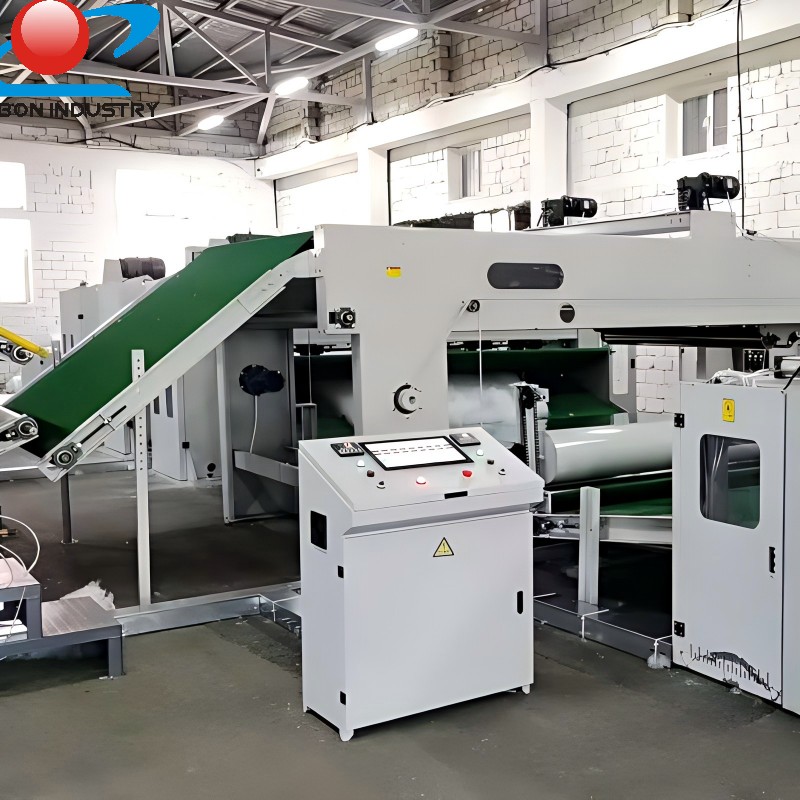
- Check Upstream Processes: Ensure the carding machine and cross lapper are producing a uniform web. An uneven web will always lead to an uneven final product.
- Calibrate the Cross Lapper: Regularly calibrate your cross lapper to ensure consistent web layering.
- Monitor Web CV%: Track the coefficient of variation (CV%) of your incoming web to catch uniformity problems early.
Cause 5: Stripper Plate Angle and Web Tension
The angle of the stripper plate and the tension of the web as it enters the needling zone can also cause defects. An angled stripper plate, for example, can lead to a cratered surface. Similarly, inconsistent tension can cause the web to stretch or deform.
Solutions:
- Adjust Stripper Plate: Check the stripper plate’s angle. If it is angled down towards the output side, try adjusting it to be more level.
- Control Web Tension: Ensure the web tension is consistent as it feeds into the needle loom. Use tension control devices to maintain a constant feed.
- Regular Inspection: Include the stripper plate and feed system in your regular equipment inspections.
A Systematic Approach to Troubleshooting
When you encounter streaks on your nonwoven fabric, follow this systematic approach:
- Identify the Pattern: First, determine if the streaks are MD, CD, or diagonal.
- Inspect the Needles: Next, check for broken or worn needles. This is the most common and easiest issue to fix.
- Review Settings: Then, verify the advance per stroke and other machine settings.
- Check Web Uniformity: After that, examine the incoming web for inconsistencies.
- Consider the Board: If the problem persists, evaluate the needle board design itself.
Conclusion: Eliminate Streaks for Consistent Quality
Streaks on your needle punched nonwoven are a clear sign of a problem in your needle punch line. The causes can range from a single broken needle to a poorly designed needle board. However, by understanding the potential sources, you can take systematic steps to diagnose and eliminate them. A consistent, streak-free fabric is not just aesthetically pleasing; it is a testament to a well-maintained machine and a controlled process. This leads to higher customer satisfaction and greater profitability.
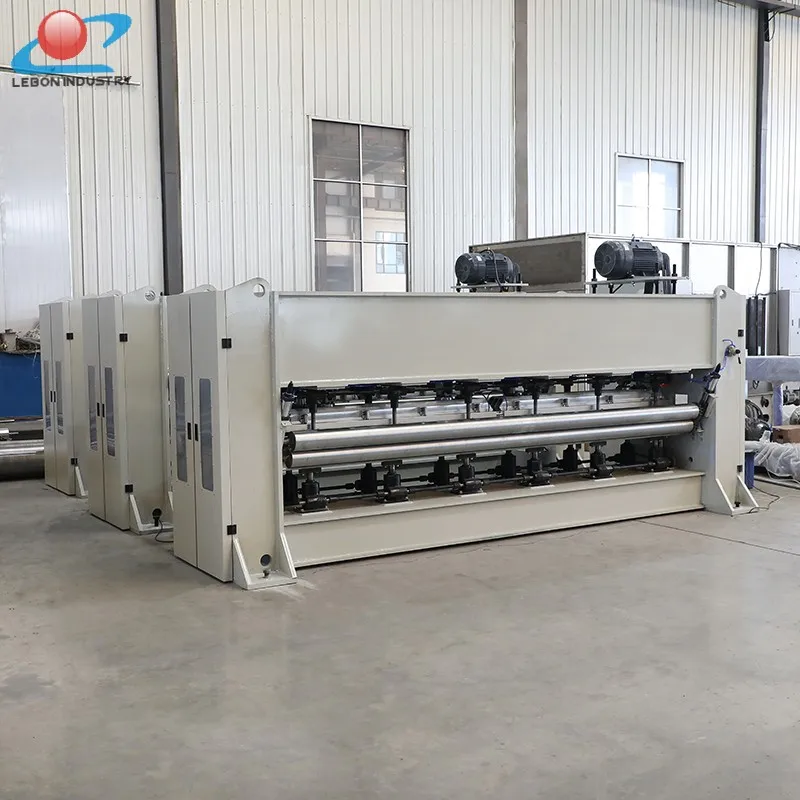
We manufacture high-performance needle looms designed for consistent, high-quality production. Our machines feature robust construction and easy maintenance access. Contact us to learn how our equipment can help you produce flawless nonwoven fabric.
Ready to eliminate streaks from your nonwoven line? Request a consultation with our technical experts.