Introduction: Protect Your Most Valuable Asset
Your nonwoven production line represents a significant capital investment. Unplanned breakdowns stop production, delay deliveries, and damage profitability. Therefore, preventive maintenance is not an option; it is a necessity. A well-maintained nonwoven machine runs reliably, produces consistent quality, and lasts for decades. This article provides a practical preventive maintenance checklist divided into daily, weekly, monthly, and quarterly tasks. Following this schedule reduces unexpected downtime and boosts overall efficiency. Consequently, you protect your investment and maximize returns from your nonwoven manufacturing operation.

Why Preventive Maintenance Matters for Nonwoven Lines
Many factory owners wait until a machine breaks down before calling a technician. This reactive approach costs more in the long run. For example, a worn needle board damages fabric quality for weeks before failing completely. Similarly, a dirty filter reduces airflow, forcing motors to work harder and consume more energy. Preventive maintenance identifies small issues early. You fix them during planned stops rather than emergency shutdowns. Over time, this discipline cuts repair costs, improves production output, and extends equipment life significantly.
Daily Maintenance Tasks (Every Shift)
Daily checks take only minutes but prevent most common failures. Train every operator to perform these inspections before starting production.
Carding Machine Clothing:
Inspect the carding machine cylinder, doffer, and licker-in for visible damage. Look for bent or missing wires, metal debris, or fiber wrapping. Remove any foreign objects immediately. A damaged wire can ruin the entire web and damage opposing clothing. Also, listen for unusual scraping noises during operation.
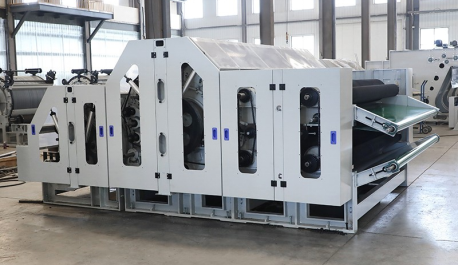
Needle Loom Needles and Boards:
Check the needle loom needle board for loose or broken needles. A single broken needle can scratch the base plate and damage surrounding needles. Replace broken needles promptly. Additionally, examine the fabric surface for needle marks or streaks, which indicate alignment issues.
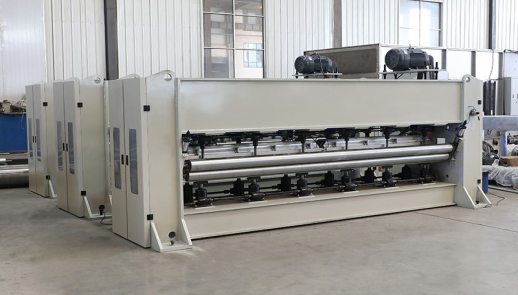
Calender Rollers (For Thermal Bonding Lines):
Inspect calender rollers for residue buildup, scratches, or dents. Clean the roll surface gently with a soft cloth and approved solvent. Never use metal tools that could scratch the chrome finish.
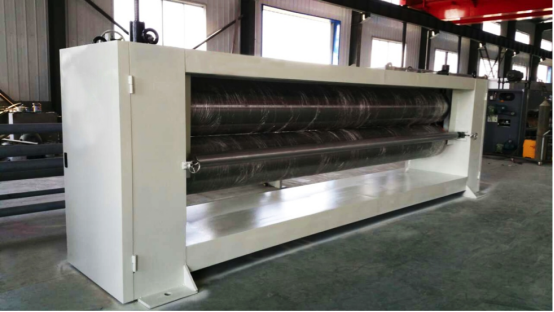
Air Filters and Suction System:
Check all filters on the dust collection system. Clean or replace them if clogged. Restricted airflow allows dust to settle on electrical panels and moving parts, causing overheating and premature wear.
General Walk-Around:
Listen for abnormal vibrations or noises. Feel bearing housings for excessive heat. Check oil levels in sight glasses. Tighten loose bolts or guards. These simple observations catch problems early.
Weekly Maintenance Tasks (Every 40-50 Operating Hours)
Weekly tasks go deeper than daily checks. Schedule these during a longer break or at the end of the week.
Carding Machine Settings:
Measure the gap between cylinder and flats (for conventional carding) or between cylinder and doffer. Use a feeler gauge to verify clearance. Adjust if necessary. Also, inspect the carding machine wire for dullness. Dull wires produce cloudy webs and increase neps.
Needle Loom Penetration Depth and Punch Density:
Check the penetration depth setting. Ensure needles do not strike the base plate. Measure the actual punch density against the recipe. Adjust machine speed or needle board configuration if needed. Record any changes in a logbook.
Drive Belts and Chains:
Inspect all drive belts for cracks, fraying, or looseness. Tension belts according to manufacturer specifications. Lubricate chains with the correct oil. Worn belts slip, reducing line speed and wasting energy.
Electrical Panel and Connections:
Open the electrical control panel (with power off). Check for dust accumulation, loose wires, or signs of overheating (discolored insulation). Clean with compressed air carefully. Loose connections cause voltage drops and motor failures.
Roller Bearings and Lubrication:
Grease all bearings following the nonwoven machine manufacturer’s schedule. Use the recommended grease type. Over-greasing is as harmful as under-greasing. Wipe away excess grease to prevent dust attraction.
Monthly Maintenance Tasks (Every 200 Operating Hours)
Monthly tasks require more time but deliver significant reliability improvements.
Carding Machine Wire Grinding:
For machines with metallic wire, schedule a light grind of the cylinder and doffer wire. This restores sharpness and improves fiber individualization. After grinding, thoroughly clean the carding machine to remove metal particles.
Needle Loom Eccentric Gearbox Inspection:
Inspect the eccentric gearbox oil for contamination or metal particles. Change the oil if dirty. Check for unusual vibration during operation, which indicates bearing wear. A failing gearbox can stop the entire needle punch line for weeks.
Calender Roller Alignment:
Verify that the two calender rollers are parallel. Use a feeler gauge at both ends. Misalignment creates uneven pressure across the fabric width, causing thickness variation and poor bonding.
Cross Lapper Apron Tension and Tracking:
Check the cross lapper aprons for even tension. Adjust tracking rollers if the apron drifts to one side. A misaligned apron creates folded edges and Web breaks.
Electrical System Thermal Scan:
Use an infrared thermometer or thermal camera to check electrical connections under load. Hot spots indicate loose connections or failing components. Tighten or replace as needed.
Quarterly Maintenance Tasks (Every 600 Operating Hours)
Quarterly tasks are more extensive. Plan them during planned plant shutdowns.
Carding Machine Full Inspection:
Remove the cylinder and doffer for a complete wire inspection. Measure wire height remaining. Replace wire if worn beyond limits. Clean all carding machine internal surfaces thoroughly. Calibrate all sensors and drives.
Needle Loom Main Bearing Replacement Schedule:
Check the manufacturer’s recommended bearing life. For high-speed needle punching machines, main bearings may need replacement every two to three years. Replace proactively before failure. While replacing, inspect the crankshaft for wear.
Calender Roller Regrinding:
Send calender rollers for professional regrinding if surface finish degrades. A smooth, uniform roll surface is essential for even thermal bonding.
Complete Electrical Audit:
Test all emergency stops, safety interlocks, and motor overloads. Verify that control system backups are current. Clean all ventilation fans and filters on drives and PLC cabinets.
Machine Leveling and Anchors:
Check that the entire nonwoven production line remains level and properly anchored. Vibration can loosen anchor bolts over time. Retighten and re-level as necessary.
The Benefits of a Structured Preventive Maintenance Program
Implementing this checklist delivers measurable results. First, unplanned downtime drops dramatically. Second, material waste decreases because the machine runs consistently. Third, energy consumption falls as components operate efficiently. Fourth, product quality remains stable, satisfying your customers. Finally, your nonwoven line lasts years longer than neglected equipment.
Start by assigning responsibility. One person should own the maintenance schedule. Keep a logbook of all tasks and findings. Review the log monthly to spot recurring issues. Over time, you will learn which components need more frequent attention on your specific nonwoven machine.
Conclusion: Small Efforts, Big Rewards
Extending the life of your nonwoven production line does not require complex technology. It requires discipline. Daily cleaning, weekly inspections, monthly adjustments, and quarterly overhauls work together to prevent failures. Each task takes little time but saves enormous costs. Therefore, treat preventive maintenance as a core business process, not an afterthought.
We design our nonwoven machinery for easy maintenance. Access panels are generous. Consumable parts are standardized. Manuals are clear. From needle looms to calender rollers, every component is built for serviceability. A well-maintained line from a quality manufacturer delivers decades of reliable service.
Start your preventive maintenance program today. Contact us for a customized maintenance guide for your specific nonwoven line configuration.