Cut Energy Costs in Nonwoven Production: 6 Practical Tips for Your Plant
Reduce energy costs in nonwoven production with 6 practical tips. Save power on carding, needle punching, thermal bonding, and winding lines.

Reduce energy costs in nonwoven production with 6 practical tips. Save power on carding, needle punching, thermal bonding, and winding lines.

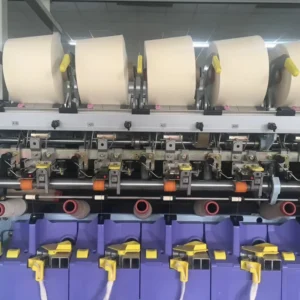
Yarn hairiness refers to the cumulative count of protruding fibers—exceeding a specific projected length (vertical distance)—observed on one side of a single-sided planar view of a unit length of yarn. The standard unit for this metric is strands per 10 meters (strands/10 m); the numerical value of this indicator is influenced by factors such as the test length and the specified projected length.

Poor line integration ruins nonwoven quality. Learn common mistakes in carding, cross lapping, needling, and winding. Fix them for consistent fabric.

Extend your nonwoven line life with this preventive maintenance checklist. Daily, weekly, monthly tasks for carding, needle loom, calender rolls, and more.

Spinning constitutes the foundational stage of the textile industry and represents the critical first step in the journey “from fiber to fabric.” It involves processing raw materials—such as cotton, polyester, and wool—into uniform, durable yarns, which are subsequently utilized in downstream processes like weaving and knitting.

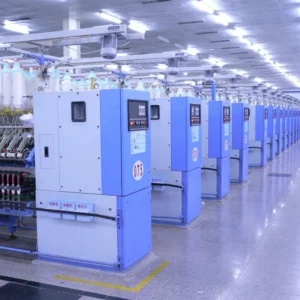
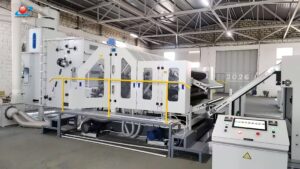
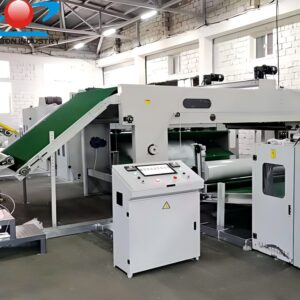
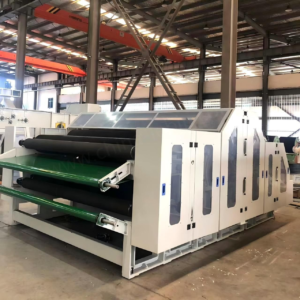
In the realm of textile spinning, “blowroom processing” and “carding” constitute the two core operations within the preparatory stage. Blowroom processing is responsible for removing impurities and loose fibers from raw materials, while carding is tasked with disentangling and aligning these fibers into a uniform sliver, thereby laying the foundation for subsequent spinning processes. The Blowroom-Carding Integrated Production Line precisely integrates these two major operations into a single, cohesive system, achieving a continuous and intelligent workflow from blowroom to carding. This innovation effectively eliminates the drawbacks associated with traditional, standalone-machine production—where processes were isolated—and has emerged as the pivotal choice for modern spinning enterprises seeking to boost efficiency and optimize product quality.

Avoid costly errors when buying a nonwoven machine. Learn 5 common mistakes and practical solutions for a smart investment in your nonwoven production line.

Transform spinning mill waste into profit. Discover the machinery for cotton waste recycling, from opening to re-spinning. Boost sustainability and reduce costs.

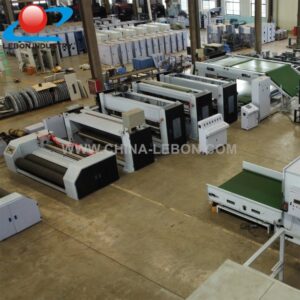
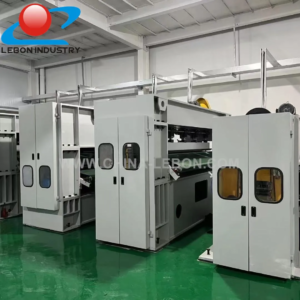
Needle-punched nonwoven fabric is one of the most widely applied products in the textile industry; fields such as automotive interiors, geotextiles, filtration materials, and synthetic leather all rely heavily on its presence. The needle-punching production line serves as the core machinery that transforms “fiber into nonwoven fabric.” Today, we invite you to step into the world of needle-punching production lines to explore their working principles and core value.

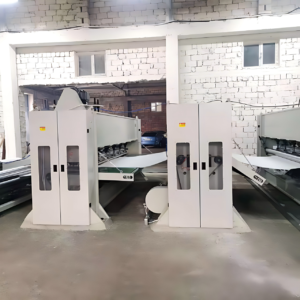
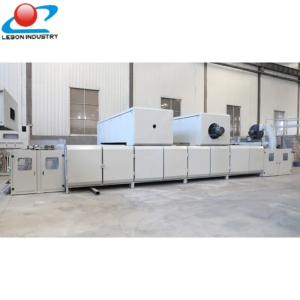
In fields such as mattress filling, thermal apparel, and greenhouse insulation, glue-free wadding is gradually displacing traditional foam to become the mainstream material, thanks to its advantages in breathability, resilience, and eco-friendliness. Consequently, the performance of the machinery used to produce glue-free wadding directly determines both product quality and production efficiency. Many clients often ask: How is glue-free wadding able to take shape without the use of adhesives? Furthermore, what are the core advantages of our specific glue-free wadding production equipment? Today, we will provide a detailed, informative explanation to answer these questions.
If you have any questions, feel free to contact at any time
Qingdao Lebon Industry Co., Ltd.All rights reserved.